Real Estate and *stuff *
A real person helping real people with real estate
You can scroll the shelf using ← and → keys
You can scroll the shelf using ← and → keys
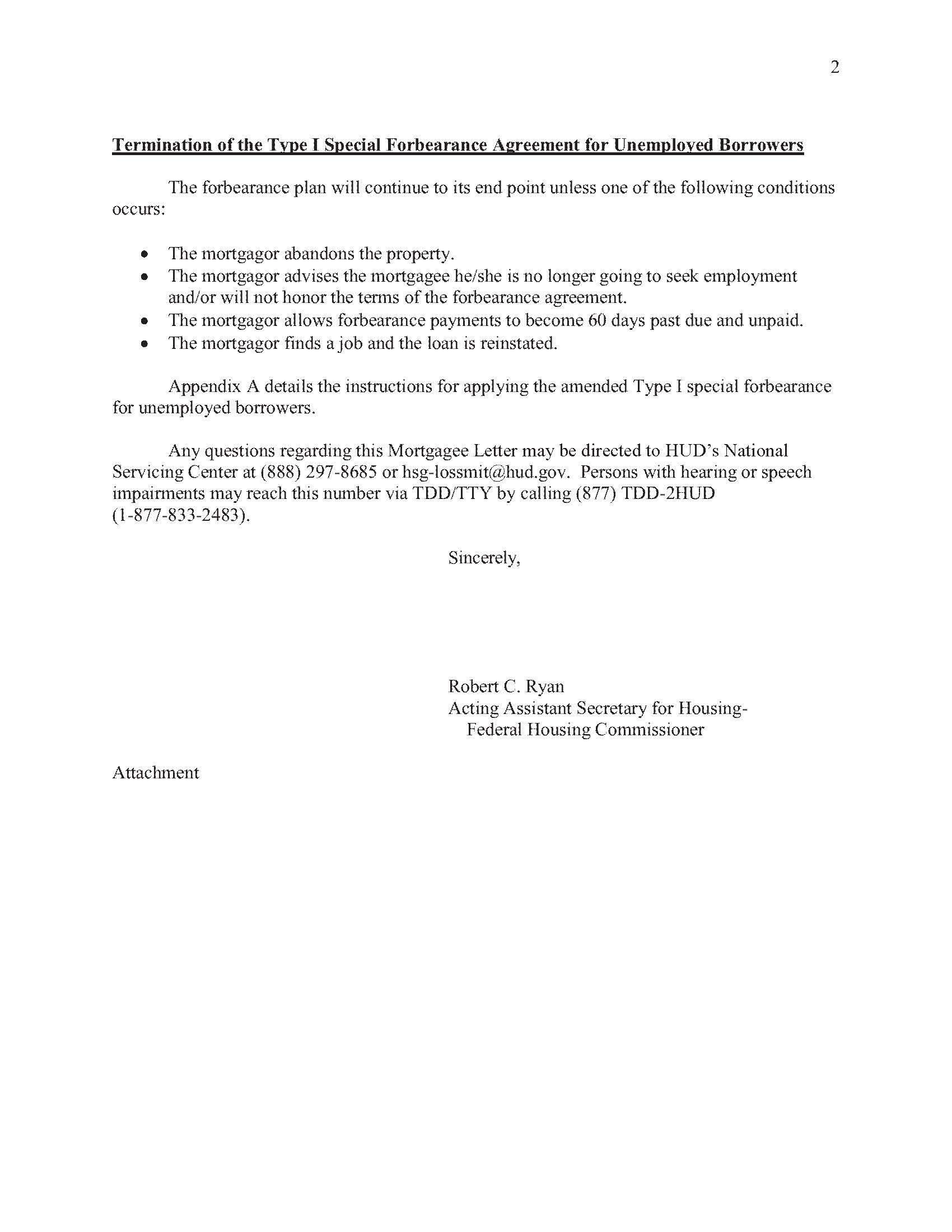
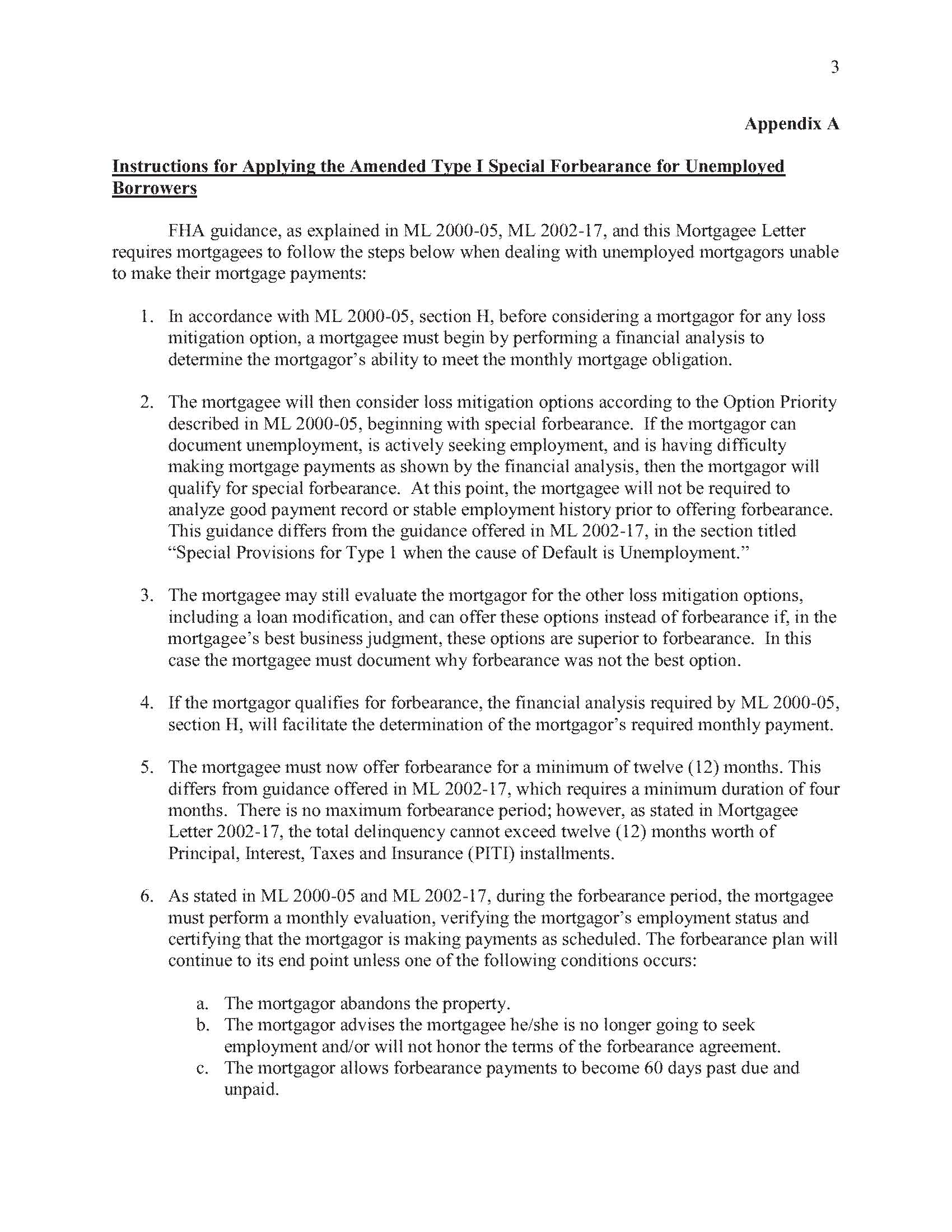
This is interesting…FHA is looking to help unemployed home owners with a new forbearance program. If you know someone in this situation please reach out to them with this information – it could be very helpful to them. I can also send you a PDF copy of this.


 July is coming…the sun is out and many of us are taking vacations. Make sure it’s a great one and that your house is secure! Conduct a do-it-yourself home security check by walking around your house to assess what needs to be done to reduce the risk of a break-in.
Burglars want an easy target. Stand on the street outside your house and ask yourself: Does my property look neglected, hidden, or uninhabited? A front door or walkway that’s obscured by shrubbery offers crooks the perfect cover they need while they break a door or window. To improve security, trim shrubs away from windows and widen front walks.
All sides of your house should be well-lit with motion-activated lighting, not just the front. Simple motion-activated floodlights cost less than $50 each, and installing them is an easy DIY job if the wiring is already in place.
Thieves want easy-to-grab electronics, cash, jewelry, and other valuables, though some are not above running down the street with your flat-screen TV. Most make a beeline for the master bedroom, because that’s where you’re likely to hide spare cash, jewelry, even guns. Tour each room and ask yourself: is there anything here that I can move to a safe deposit box? Installing a home safe ($150 to $500) that’s bolted to your basement slab is a good repository for items you don’t use on a daily basis.
While you probably won’t be putting your home computer in a safe anytime soon, take steps to back up the personal information stored on it. Password protect your login screen, and always shut off your computer when not in use (you’ll save energy, too!) Don’t overlook irreplaceable items whose value may hard to quantify, like digital photos.
 This is a big one for me because I do a lot of laundry. Apparently I have an abnormally large wardrobe. I’m okay with that! Recently it was brought to my attention that I am creating a fire hazard with the dryer exhaust because it is too long and can trap lint. Keep your clothes washer and dryer running efficiently and reliably with this simple maintenance routine.
Here’s a list of maintenance tips to keep your washer and dryer running smoothly and safely:
 Who is noticing a theme here? Yes, we are looking at the routine maintenance that keeps the things IN your home running well. Avoid those “disaster days” when you wake up late, the news is promising a nasty commute and you forgot to pick up coffee the night before.
Keep your water heater running efficiently and reliably with this simple maintenance routine.
Here’s a list of maintenance tips to keep your water heater running efficiently and reliably:
 Maintaining your home is vital…but so is maintaining what is inside your home! Appliances can be very expensive depending on what you choose when you purchase them – make them last!
This week I am focused on keeping your appliances running smoothly. Your day-to-day life will be less stressful in the long run! Your refrigerator is an essential to your kitchen and life, keep it running efficiently and reliably with this simple maintenance routine.
Here’s a list of maintenance tips to make sure your refrigerator stays cool and calm:
Now stock it up with tons of yummy food and invite me to dinner!
 Yes it’s that time of year again! The snowbanks are getting higher and taking on a “brownish” tint – the joy of winter has passed with the holiday season and we’re all looking forward to spring – why not spend this time doing something fun! Like taxes! Woot! No really…it’s a chore but it’s necessary and as a taxpayer you are entitled to every deduction available to you. That’s right, the IRS WANTS you to have an accurate number for your total tax liability.
This week I will have a series of articles on “Don’t Miss Tax Breaks” for home owners. I have a financial background as a CPA prior to becoming a Realtor. This is great stuff and I welcome your comments.
Get an “A” on your Schedule A Form: Dodge these tax deduction pitfalls to save time, money, and an IRS investigation.
Your monthly mortgage payment often includes money for a tax escrow, from which the lender pays your local real estate taxes.
The money you send the bank may be more than what the bank pays for your taxes, says Julian Block, a tax attorney and author of Julian Block’s Home Seller’s Guide to Tax Savings. That will lead you to putting the wrong number on Schedule A.
Example:
Now do the math:
If you bought or sold a home in the middle of 2010, figuring out what to put on line 6 of your Schedule A Form is tricky.
Don’t simply enter the number from your property tax bill on line 6 as you would if you owned the house the whole year. If you bought or sold a house in midyear, you should instead use the property tax amount listed on your HUD-1 closing statement, says Phil Marti, a retired IRS official.
Here’s why: Generally, depending on the local tax cycle, either the seller gives the buyer money to pay the taxes when they come due or, if the seller has already paid taxes, the buyer reimburses the seller at closing. Those taxes are deductible that year, but won’t be reflected on your property tax bill.
You can deduct points paid on a refinance, but not all at once, says David Sands, a CPA with Buchbinder Tunick & Co LLP. Rather, you deduct them over the life of your loan. So if you paid $1,000 in points for a 10-year refinance, you’re entitled to deduct only $100 per year on your Schedule A Form.
If you took out a home equity line of credit (HELOC), you can generally deduct the interest on it only up to $100,000 of debt each year, says Matthew Lender, a CPA with EisnerLubin LLP.
For example, if you have a HELOC for $200,000, the bank will send you Form 1098 for interest paid on $200,000. But you can deduct only the interest paid on $100,000. If you just pull the number off Form 1098, you’ll deduct more than you’re entitled to.
You can deduct PMI on your Schedule A Form, as long as you started paying the insurance after Dec. 31, 2006. (Also, this is also a good time to review your PMI: You might be able to cancel your PMI altogether because you’ve had a change in loan-to-value status.)
You can deduct part or all of losses caused by theft, vandalism, fire, or similar causes, as well as corrosive drywall, but the process isn’t always obvious or simple:
Bottom line on line 20: If you’ve got extensive losses, it’s best to consult a tax pro. “I wouldn’t do it myself, and I’ve been dealing with taxes for 40 years,” says former IRS official Marti.
I know…not very exciting but necessary!
 I am not big on New Year’s Resolutions but I am big on having a plan. This is a good time of year to make a plan because the calendar is fresh and clean (and half priced if you still like to use wall calendars). Your home is probably your biggest investment. To manage it, create a financial plan that takes into account repairs, upgrades, mortgages, insurance, and taxes.
Use our home financial plan budget worksheet, and start by writing a list of expenses, such as:
With this newfound grip on your home’s expenses, you can create a home financial plan that’ll help you there for years with maximum enjoyment and minimum anxiety.
Yup, you already shell out a lot for your mortgage, but can you pay more? Even a little extra each month can add up to an earlier payoff. Let’s say you have $200,000 in outstanding principal and a 20-year fixed-rate mortgage at 5%. Your monthly payment is $1,319.91. But if you can manage to pay another $100 a month, you’ll save $14,887 in interest.
Run the numbers yourself for your home financial plan.
Advantages of an early payoff, says Alan D. Kahn, a financial planner in Syosset, N.Y.:
Of course, if you’re still saving for retirement, put the 100 bucks elsewhere:
Your vegetable garden is pointless without a fence to keep out rabbits; likewise, your home financial plan will come to nothing without an insurance “fence”:
Homeowner’s insurance. Basic coverage for your home and everything in it. The average cost is $636 per year but this varies widely by state.
Liability coverage. Protects you from a lawsuit if someone gets hurt on your property, for example. Your best bet: An umbrella policy. For about $300 a year you can by a typical $1 million policy.
Various disaster insurance policies. Optional policies cover flood, earthquake, and hurricane damage. As part of your home financial plan, you have to research to see what disaster coverage, if any, you need in your area, and what your standard policy already covers. For $540 a year you can buy flood insurance, for example.
For your basic policy, get homeowners insurance with full replacement coverage in case your house burns to the ground.
That sounds simple, but heads up on calculation. Remember that you own a house as well as the land on which it sits. So even though you bought your home for $300,000, it may cost only $100,000 to rebuild it. Your policy limits should reflect this. This difference will vary widely by region.
Another heads up: Don’t make the common and potentially disastrous mistake of thinking that because your home has fallen in value you need less insurance. If you bought a $1.2 million townhouse in Florida during the boom, it’s true it now may only sell for $600,000. But the replacement cost of the townhouse hasn’t changed much, so you can’t improve your home financial plan by cutting insurance costs that way.
Other ways to cut your insurance budget:
You own a home, so you’ll be spending money on everything from a new faucet to—surprise!—a new roof. Freddie Mac and other authorities say as part of your home financial plan, you should be prepared to spend 1% to 3% of the market value of the home annually on maintenance. To be extra-prudent, open a savings account and make regular payments until your account reaches 1% to 3% of your home’s current value.
To help you budget:
Start with the inspection report you received when you bought the house. Did the inspector indicate that you would need a new roof in five years? A new furnace in 10?
Keep a log of your major appliances’ age so you can estimate when they’ll need replacing. Some estimated life spans:
Then get estimates on what replacements will cost and start saving.
Consider ongoing non-emergency maintenance, too. Do you live in New England? Price a snow blower and get bids from plow services.
Resist the siren call of the home equity loan to take care of everything. That just defeats your efforts to pay off the mortgage early.
Separate out what you want from what you need. A $50,000 kitchen remodel is nice, but you’ll recoup only 76% of the project cost your home’s resale, according to Remodeling magazine.
If you can afford to redo, go for it. Just don’t confuse your necessary repairs (new oil furnace—about $4,000) with your discretionary upgrades (Viking range—$6,000 and up).
Even if your lender handles your property taxes from an escrow account, you need to budget for them in your home financial plan. They creep up almost every year, it seems. Take responsibility for tracking the changes in your area: Look over past tax bills to get a sense of how quickly they’ve risen in the past.
Or if your lender handles escrow and you haven’t saved your bills, ask for an accounting. The median annual property tax payment is $2,198, but that hides the enormous range in medians from state to state:
You can generally deduct property taxes on your federal return. A tax pro can tell you how much of a tax break you’ll get, to help you fine tune your home financial plan.
You may be able to reduce your tax burden by getting a reassessment. Do your homework first: Are comparable houses taxed less than yours? Ask the local assessor what formula is used to set tax rates. You can challenge the assessed value and get yourself a rollback.
A plan is exactly that – a great way to pace yourself and keep working towards your financial goals. The unexpected will always happen and with a plan you are prepared for that. Now, who is going to spend their Friday Night writing out a financial plan for their home? 🙂
 Regular home maintenance is key to preserving the value of your house and property. Looking forward to the spring market in 2011 – this play an important role if you thinking about listing your home. In general, it’s important to maintaining your investment and your quality of life.
“It’s the little things that tend to trip up people,” says Frank Lesh, former president of the American Society of Home Inspectors and owner of Home Sweet Home Inspection Co. in Chicago. “Some cracked caulk around the windows, or maybe a furnace filter that hasn’t been changed in awhile. It may not seem like much, but behind that caulk, water could get into your sheathing, causing mold and rot. Before you know it, you’re looking at a $5,000 repair that could have been prevented by a $4 tube of caulk and a half hour of your time.”
Outright damage to your house is just one of the consequences of neglected maintenance. Without regular upkeep, overall property values are affected.
“If a house is in worn condition and shows a lack of preventative maintenance, the property could easily lose 10% of its appraised value,” says Mack Strickland, a professional appraiser and real estate agent in Chester, Va. “That could translate into a $15,000 or $20,000 adjustment.”
In addition, a house with chipped, fading paint, sagging gutters, and worn carpeting faces an uphill battle when it comes time to sell. Not only is it at a disadvantage in comparison with other similar homes that might be for sale in the neighborhood, but a shaggy appearance is bound to turn off prospective buyers and depress the selling price.
“It’s simple marketing principles,” says Strickland. “First impressions mean a lot to price support.”
To a professional appraiser, diligent maintenance doesn’t translate into higher property valuations the way that improvements, upgrades, and appreciation all increase a home’s worth. But good maintenance does affect an appraiser’s estimate of a property’s economic age—the number of years that a house is expected to survive.
Economic age is a key factor in helping appraisers determine depreciation—the rate at which a house is losing value. A well-maintained house with a long, healthy economic age depreciates at a much slower rate than a poorly maintained house, helping to preserve value.
Although professional appraisers don’t assign a positive value to home maintenance, there are indications that maintenance is not just about preventing little problems from becoming larger. A study by researchers at the University of Connecticut and Syracuse University suggests that maintenance actually increases the value of a house by about 1% each year, meaning that getting off the couch and heading outside with a caulking gun is more than simply a chore—it actually makes money.
“It’s like going to the gym,” says Dr. John P. Harding, Professor of Finance & Real Estate at UConn’s School of Business and an author of the study. “You have to put in the effort to see the results. In that respect, people and houses are somewhat similar—the older (they are), the more work is needed.”
Harding notes that the 1% gain in valuation usually is offset by the ongoing cost of maintenance. “Simply put,” he says, “maintenance costs money, so it’s probably best to say that the net effect of regular maintenance is to slow the rate of depreciation.”
How much money is required for annual maintenance varies. Some years, routine tasks, such as cleaning gutters and changing furnace filters, are all that’s needed, and your total expenditures may be a few hundred dollars. Other years may include major replacements, such as a new roof, at a cost of $10,000 or more.
Over time, annual maintenance costs average more than $3,300, according to data from the U.S. Census. Various lending institutions, such as Directors Credit Union and LendingTree.com, agree, placing maintenance costs at 1% to 3% of initial house price. That means owners of a $200,000 house should plan to budget $2,000 to $6,000 per year for ongoing upkeep and replacements.
Knowing these average costs can help homeowners be prepared, says Melanie McLane, a professional appraiser and real estate agent in Williamsport, Pa. “It’s called reserve for replacements,” says McLane. “Commercial real estate investors use it to make sure they have enough cash on hand for replacing systems and materials.”
McLane suggests a similar strategy for homeowners, setting aside a cash reserve that’s used strictly for home repair and maintenance. That way, routine upkeep is a snap and any significant replacements won’t blindside the family budget. McLane’s other strategies include:
Play offense, not defense. Proactive maintenance is key to preventing small problems from becoming big issues. Take the initiative with regular inspections. Create and faithfully follow a maintenance schedule. If you’re unsure of what needs to be done, a $200 to $300 visit from a professional inspector can be invaluable in pointing out quick fixes and potential problems.
Plan a room-per-year redo. “Pick a different room every year and go through it, fixing and improving as you go,” says McLane. “That helps keep maintenance fun and interesting.”
Keep track. “Having a notebook of all your maintenance and upgrades, along with receipts, is a powerful tool when it comes to sell your home,” advises McLane. “It gets rid of any doubts for the buyer, and it says you are a meticulous, caring homeowner.” A maintenance record also proves repairs and replacements for systems, such as wiring and plumbing, which might not be readily apparent.
You can also track your projects at houselogic.com. Houselogic.com is a free site sponsored by the National Association of Realtors and is easy to use and fun. Directly corresponds with your Facebook and provides step-by-step instructions for your home projects including shopping lists and diagrams.
If you want a check-in on what your home is currently worth today, just let me know. I would be happy to provide you with a free market analysis and help you get started on increasing the value of your home.
 Okay…so this isn’t a very exciting topic but it’s necessary! An annual check-up on your homeowners insurance can result in a healthier policy and a healthier pocketbook.
The most effective type of coverage is known as “replacement cost,” which covers, up to your policy limits, what it would take today to rebuild your house and restore your belongings, says Jerry Oshinsky, a partner at Jenner & Block in Los Angeles who has represented homeowners in litigation against insurers.
“Extended” replacement cost coverage provides protection to your policy limit, say $500,000, and then perhaps another 20% of the cost after that. Percentages vary, but in this example you could recoup up to $600,000 on a $500,000 policy, assuming your losses reach that high. Extended coverage can compensate for any unanticipated expenses like spikes in construction costs between policy renewals. Now harder to find due to the industry shift toward extended replacement coverage, “full” or “guaranteed” replacement coverage covers an entire claim regardless of policy limits.
A less attractive alternative is “actual cash value” coverage that usually takes into account depreciation, the decrease in value due to age and wear. With this type of policy, the $2,000 flat-screen TV you bought two years ago will be worth hundreds of dollars less today in the eyes of your claims adjuster. Kevin Foley, an independent insurance broker in Milltown, N.J., favors replacement cost coverage unless you can save at least 25% on the premium for going with actual cash value coverage instead.
Even if you have replacement cost protection for your dwelling and personal property, don’t assume everything is covered. Structures other than your home on your property—such as a detached garage or swimming pool—require separate coverage. So too do luxury items like jewelry, watches, and furs if you want full replacement cost because reimbursement for those items is typically capped.
OK, now that you’re clear on what type of policy you have, you need to figure out how much policy you truly require in dollar terms. Let’s say you purchased your home five years ago and insured it for $200,000. Today, it’s worth $225,000. Simply increasing your coverage to $225,000 may nonetheless leave you underinsured. Here’s why.
The key to determining how much dwelling coverage you need isn’t the value of your home but the money you’d have to pay to rebuild it from scratch, says Carlos Aguirre, an agent for Liberty Mutual Insurance in Arlington, Texas. Call your local contractors’ or homebuilders’ association and inquire about the average per-square-foot construction cost in your area. If it’s $150 and your home is 2,000 square feet, then you should be insured for $300,000.
There’s no rule of thumb for how much your homeowners insurance should cost. Insurers use numerous factors—age, education level, creditworthiness—to determine pricing, so the same policy could run you more than your neighbor. In recent years the average annual premium was $804. Oshinsky advises against scrimping on insurance because big increases in coverage probably cost less than you’d think. He recently purchased a liability policy that cost $250 for the first $1 million in coverage. Adding another $1 million increased his premiums only $12.50 more.
The higher your deductible, the amount you pay out of pocket before coverage kicks in, the lower your premium. Landing on the appropriate deductible level requires remembering that insurance should cover major calamities, not minor incidents, says Foley, the independent insurance broker. Most homeowners should be able to absorb modest losses like a broken window pane or a hole in the drywall without filing claims. If you can, then you’re wasting money with a $250 deductible.
Foley’s rule: If you’re a first-time homeowner and don’t have a lot of savings, moving up to a $500 deductible will probably stretch your budget. However, if you live in a ritzy home and drive an expensive car, then you should be able to afford a $1,000 deductible. In Milltown, N.J., for example, the premium for a $200,000 home with a $500 deductible would be $736, according to Foley; moving up to a $1,000 deductible drops the annual premium to $672. That’s $64 in savings.
Every major insurer offers discounts to various groups, such as university employees or firefighters. Figure about 5%. Ask which affiliations would entitle you to a discount and how much. If an AARP membership would result in a $50 savings, pay the $16 dues and pocket the $36 difference. Many insurers also offer discounts ranging from 1% to 10% or more for installing protective devices like alarms and deadbolt locks, for going claim-free for an extended period, or for insuring both your car and your home with the same carrier.
 Real Estate and *stuff *