Real Estate and *stuff *
A real person helping real people with real estate
You can scroll the shelf using ← and → keys
You can scroll the shelf using ← and → keys
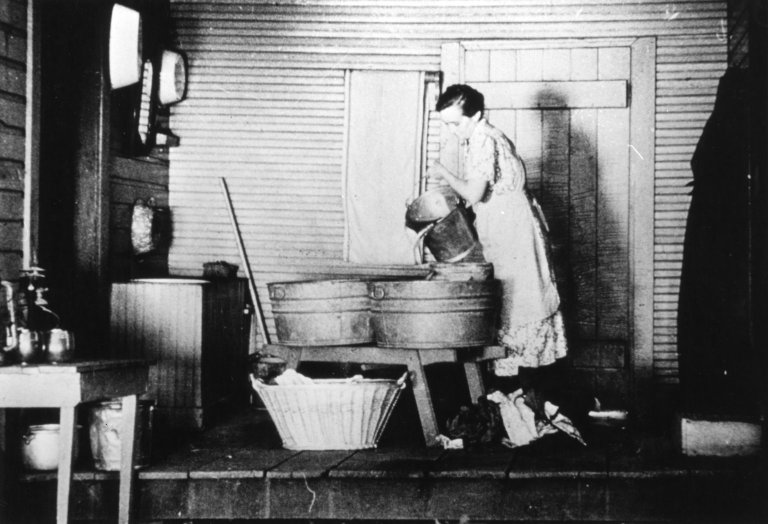 This is a big one for me because I do a lot of laundry. Apparently I have an abnormally large wardrobe. I’m okay with that! Recently it was brought to my attention that I am creating a fire hazard with the dryer exhaust because it is too long and can trap lint. Keep your clothes washer and dryer running efficiently and reliably with this simple maintenance routine.
Here’s a list of maintenance tips to keep your washer and dryer running smoothly and safely:
 Maintaining your home is vital…but so is maintaining what is inside your home! Appliances can be very expensive depending on what you choose when you purchase them – make them last!
This week I am focused on keeping your appliances running smoothly. Your day-to-day life will be less stressful in the long run! Your refrigerator is an essential to your kitchen and life, keep it running efficiently and reliably with this simple maintenance routine.
Here’s a list of maintenance tips to make sure your refrigerator stays cool and calm:
Now stock it up with tons of yummy food and invite me to dinner!
WOW! It’s a busy week this week! Please join me at any one of the following events:
TUESDAY: RE/MAX Professional Associates and Lowe’s : This is a weekly event at the Lowe’s in Ware where we combine their know-how to keep your house in tip-top shape and our know-how to tell you how it affects your sale price (now or in the future) as well as the local market conditions. Every Tuesday evening in Lowe’s there is an in-store demo on a different topic at 6pm and Mark Seymour, the store manager, extends special discounts for the people that stop in. THIS WEEK – DRYWALL REPAIR! With so many leaking roofs and ice dams we thought it would be great to do an in-store clinic on Drywall Repair! Please join myself and Pierre (http://www.meetup.com/Lowes-Home-Improvement-In-Store-Demos/)
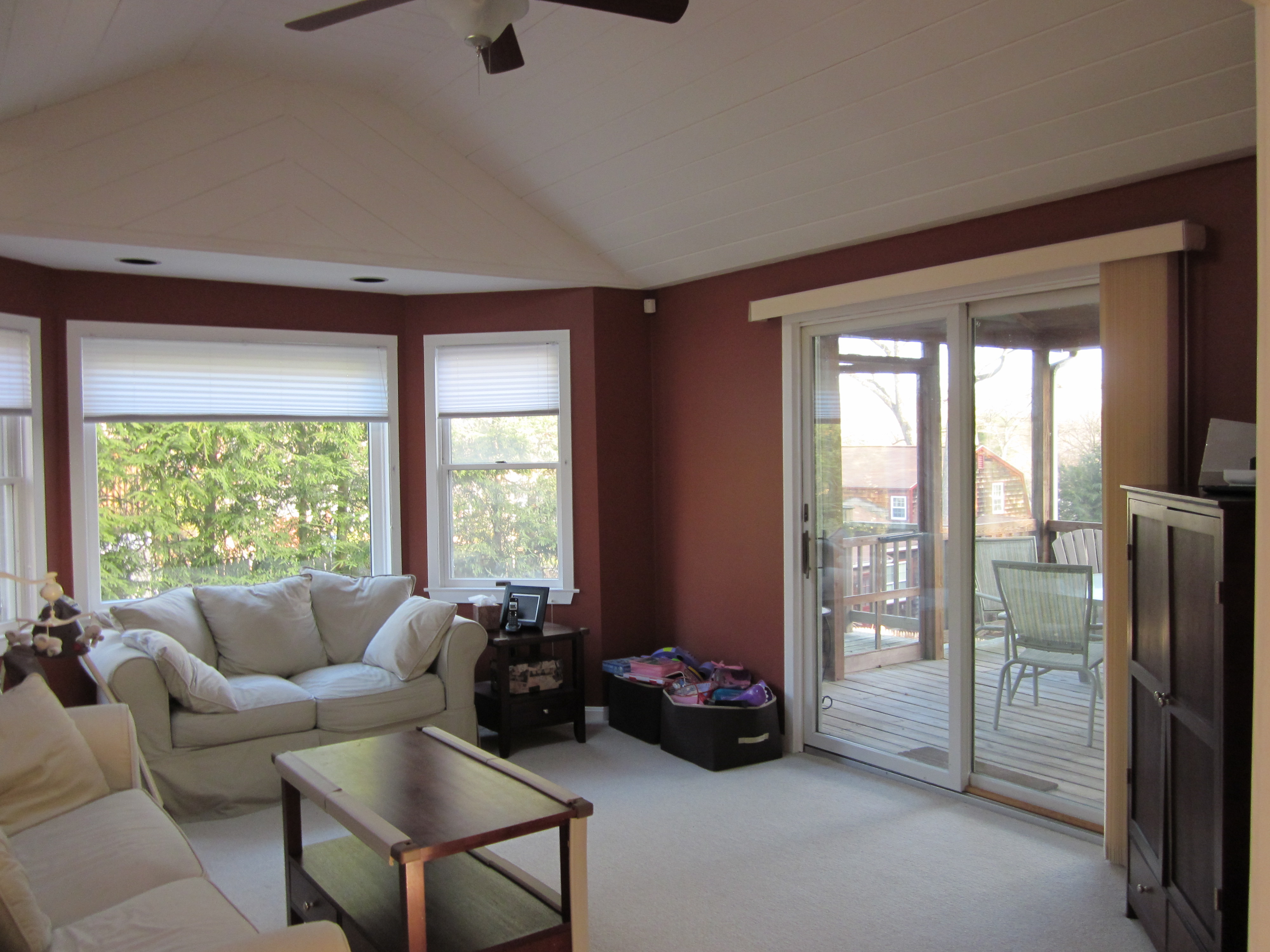 WEDNESDAY: Broker’s Open at 1 Fairbanks in Milford: Check out this very solid house in Milford – 4 beds, 2 baths and SPACE! In a quiet family area but yet close to EMC and 495 this house shows pride of ownership and is a solid value. The added family room creates a nice flow to the floor plan and adds a great space to relax and look out the sliders to the deck (spring is coming – really!). Stop in between 12pm and 2pm to check it out or on Saturday at the Public Open 1pm to 3:30pm. For more information, click HERE
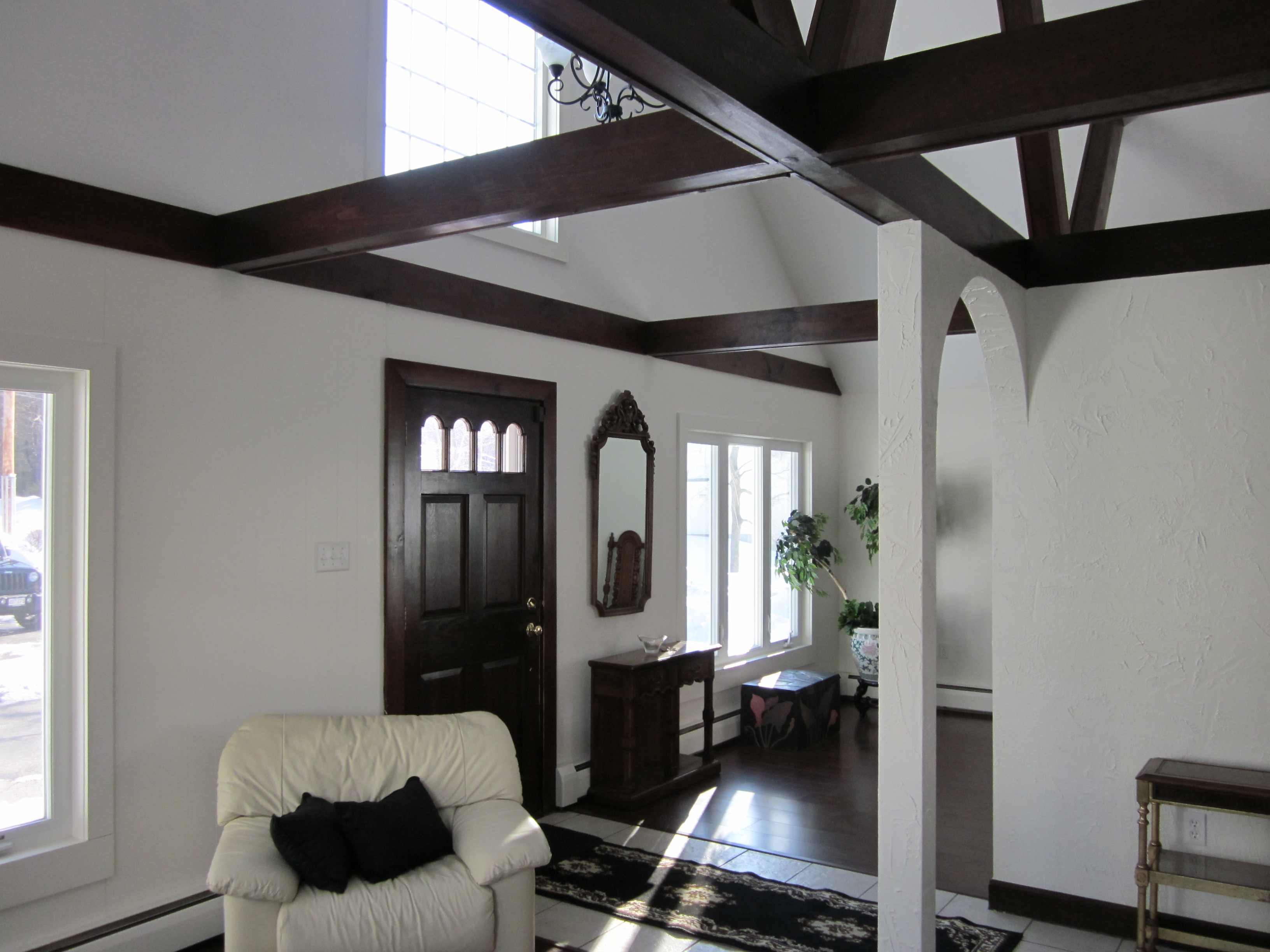 THURSDAY: Broker’s Open TOUR in Shrewsbury: FOUR fantastic homes will be open 12pm to 2pm this Thursday for you to review! My listing at 272 Oak Street is a unique and stylish renovated home that is a must-see to appreciate. 4 bed, 2 bath on a great lot that is commuter friendly with a legal in-law. Seller financing available.
From the old to the new and renovated in-between! Light refreshments at locations.
Public open at 272 Oak Street in Shrewsbury following on Saturday 11:30 to 1pm! For more information on this house, click HERE.
Take a few moments and join me at any one of these events – I’d love to chat with you!
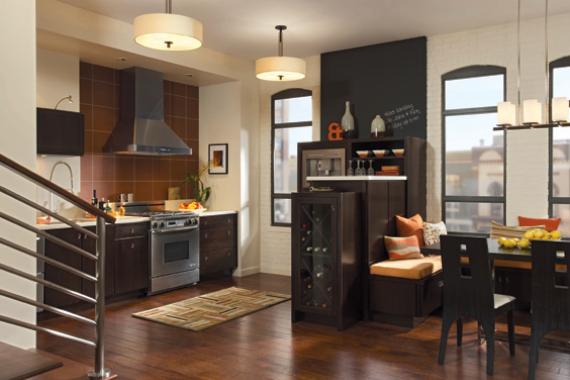 It’s not a secret that a kitchen can make or break a house sale. It’s the room we spend the most time in and it’s the room that most buyers give the highest priority. Even if you are not considering selling your house – we still all focus on the kitchen.
I thought this would be a great blog to go with our in-store demo at Lowe’s this evening. We will talking with the experts in kitchen cabinetry at Lowe’s in Ware (http://www.meetup.com/Lowes-Home-Improvement-In-Store-Demos/events/16642827/) as part of our weekly series. Stop in the find out more about your kitchen cabinet choices, costs and where to begin when planning your kitchen remodel.
This article keeps it simple – Keep the same footprint, add storage, and design adequate lighting so you preserve value and keep costs on track.
Simple enough? Not so fast. The National Kitchen and Bath Association (NKBA) recommends spending at least six months planning before beginning the work. That way, you can thoroughly evaluate your priorities and won’t be tempted to change your mind during construction. Contractors often have clauses in their contracts that specify additional costs for amendments to original plans. Planning points to consider include:
Because planning a kitchen is complex, consider hiring a professional designer. A pro can help make style decisions and foresee potential problems, so you can avoid costly mistakes. In addition, a pro makes sure contractors and installers are sequenced properly so that workflow is cost-effective. Expect fees around $50 to $150 per hour, or 5% to 15% of the total cost of the project.
No matter the size and scope of your planned kitchen, you can save major expense by not rearranging walls, and by locating any new plumbing fixtures near existing plumbing pipes. Not only will you save on demolition and reconstruction, you’ll greatly reduce the amount of dust and debris your project generates.
A six-burner commercial-grade range and luxury-brand refrigerator might make eye-catching centerpieces, but be sure they fit your lifestyle, says Molly Erin McCabe, owner of A Kitchen That Works design firm in Bainbridge Island, Wash. “It’s probably the part of a kitchen project where people tend to overspend the most.”
The high price is only worth the investment if you’re an exceptional cook. Otherwise, save thousands with trusted brands that receive high marks at consumer review websites, like www.ePinions.com and www.amazon.com, and resources such as Consumer Reports.
Some guidelines:
“People are putting more emphasis on functionality and durability in the kitchen,” says McCabe. That may mean resisting bargain prices and focusing on products that combine low-maintenance with long warranty periods. “Solid-surface countertops [Corian, Silestone] are a perfect example,” adds McCabe. “They may cost a little more, but they’re going to look as good in 10 years as they did the day they were installed.”
If you’re not planning to stay in your house that long, products with substantial warranties can become a selling point. “Individual upgrades don’t necessarily give you a 100% return,” says Frank Gregoire, a real estate appraiser in St. Petersburg, Fla. “But they can give you an edge when it comes time to market your home for sale” if other for-sale homes have similar features.
To add storage without bumping out walls:
Having a good rapport with your project manager or construction team is essential for staying on budget. “Poor communication is a leading cause of kitchen projects going sour,” says McCabe. To keep the sweetness in your project:
Consumers spend more money on kitchen remodeling than any other home improvement project, according to the Home Improvement Research Institute, and with good reason. They’re the hub of home life, and a source of pride. With a little strategizing, you can ensure your new kitchen gives you years of satisfaction.
Please stop in at Lowe’s at 6pm and join us for an in-person discussion. For more information: http://www.meetup.com/Lowes-Home-Improvement-In-Store-Demos/events/16642827/.
 The spring market is upon us! It seems a tad early this year but with all the news articles about rising interest rates many buyers are making their choices now instead of waiting. As a seller or soon-to-be-seller, don’t wait! Get your home ready and on the market now to take full advantage of this early market.
This is the first in a small series of articles to help you get your home “sale ready”. The kitchen is often the first room that a buyer will go to during a viewing and is vitally important to the overall impression of your home.
You can repair kitchen counter mishaps with only a little time and money. Big boo-boos, however, will need professional help.
Even granite counters suffer kitchen wear and tear. But you can make them shine with a little time and know-how. After you fix them, don’t forget to reseal them.
Cracks, chips, scratches: Fill nicks in granite by building up layers of epoxy resin colored to match the stone. Clean the area first with acetone, which breaks down grease. Be sure to open a window for ventilation.
Stains: The type of stain–wine or ink, oil or bleach–determines the type of poultice you’ll need to suck it out. A paste of flour and hydrogen peroxide pulls out grease, oil, bleach, and ink stains; a mix of flour and bleach cleans wine stains. If you want to go commercial, check out Alpha, Aqua Mix, and StoneTech stone cleaners. Cost: $6 to $20.
Solid surface countertops, such as Corian, are man-made from resin, acrylic, and other materials. They’re tough but not impervious to scratches and stains. To repair minor scratches, rub a white polishing compound on the area with a wool pad, then apply a countertop wax.
For deeper scratches or cuts, call a professional. Figure labor costs at about $15 to $35 an hour. If you need to replace portions of the counter, figure at least $35 to $65 per square foot.
Fixing gouges or covering burns in laminate is tough for mortals, though repairing minor problems is doable.
Bigger problems will require replacing the damaged stretch. Laminate comes in a billion colors, but finding an exact match for an old counter could be difficult.
To get the look you want, replace the counter. Labor will cost $15 to $35 per hour; countertops range from $3/linear ft. for Plain Jane straight-edged laminates to $100/linear ft. for laminates with a beveled edge that look like granite.
If you’ve planned ahead and stockpiled old tiles, then grab a few and replace cracked or scratched areas. If you don’t have extra tile, then attempt the following first aid:
Stainless steel countertops become scratched, stained, and dull over time. While you’ll never completely remove scratches, you can buff them into a warm patina by massaging with vegetable oil.
Remove stains with a paste of baking soda and dish soap. A sprinkle of Barkeeper’s Friend will remove stains without scratching.
If you are getting ready to sell – call or email me. I would be happy to provide you with a free market analysis of your home. To get your home sold, you need a great marketing plan and accurate pricing. I can give you both!
 Yes, taxes continued. I know, I know…how could we make Friday any more exciting?
The Energy Credit has been a great way to save net money on your home improvements. Looking ahead to this time next year, make sure you are choosing the right places to invest your green money. Washington is giving you less green for going green, as the feds reel back the 2011 energy tax credits from a lavish $1,500 to a paltry $500. Keep your receipts and be ready this time next year.
No matter how much you spend on some approved items, you’ll never get the $500 credit–though you could combine some of these:
| System | Cap |
| New windows | $200 max (and no, not per window—overall) |
| Advanced main air-circulating fan | $50 max |
| Qualified natural gas, propane, or oil furnace or hot water boiler | $150 max |
| Approved electric and geothermal heat pumps; central air-conditioning systems; and natural gas, propane, or oil water heaters | $300 max |
And not all products are created equal in the feds’ eyes. Improvements have to meet IRS energy-efficiency standards to qualify for the tax credit. In the case of boilers and furnaces, they have to meet the 95 AFUE standard. EnergyStar.gov has the details.
Rule of thumb: If installation is either particularly difficult or critical to safe functioning, the credit will cover labor. Otherwise, not. (Yes, you’d have to be pretty handy to install your own windows and roof, but the feds put these squarely in the “not covered” category.)
Installation covered for:
Installation not covered for:
This article provides general information about tax laws and consequences, but isn’t intended to be relied upon as tax or legal advice applicable to particular transactions or circumstances. Consult a tax professional for such advice, and remember that tax laws may vary by jurisdiction.
 What is a Form 5695?? Your energy tax credit! This is a great tax credit that encourages energy upgrades in our homes. Sidestep snares in the complex IRS Form 5695 to get all the 2010 energy tax credits you’ve got coming.
What type of system did you install? If it’s one of the following, complete Part 1 for Nonbusiness Energy Tax Credits.
Max credit: 30% of the cost of the improvement, up to $1,500.
If you installed one of these souped-up systems, complete Part 2 for Residential Energy Efficient Property Credit.
Max credit: 30% of the cost, with no limit except for a kilowatt limit on fuel cells.
For Part I, it’s pretty simple: Just enter the total of all this part’s credits (as shown on line 11) on Form 1040, line 52.
For Part II, it can get complicated because other credits, claimed on other forms, can affect the amount of your Part II credit.
If you need to fill out any of the following forms, have all the information needed to complete those at hand, because Form 5695, line 25, coordinates with all of them. (In fact, you’ll find it simplest to prepare all these forms more or less simultaneously.)
One form that’s irrelevant to completing 5695: Schedule A. That’s only for deductions, not credits. And you don’t even need to itemize to claim energy tax credits.
You’ll find many places you can go wrong in both parts of the form:
Adding ineligible amounts into the form. Just because a product has an Energy Star label doesn’t mean it’s eligible for a credit. Check the details of what’s eligible for the credit and what’s not at Energy Star and make sure the product comes with a manufacturer’s certification.
Failing to keep track of this year’s energy tax credits for future years. Hang on to your tax credit paperwork (including receipts, certifications, and a copy of your completed Form 5695), because if you sell your house you’ll need to record the tax credit amount for tax purposes.
Failing to file this form at all—or only partially. If you’re eligible for a lot of different tax credits, you can conceivably reduce your tax liability to zero. If that’s the case and you want to tack on the 2010 energy tax credit, you’re out of luck. The feds consider it nonrefundable. If it were a refundable tax credit, the IRS would write you a check.
Forgetting certain credits that affect Part II—and vice-versa. Pay special attention to line 25: Certain other credits may ultimately affect your ability to fully claim Part II credits—just as Part II credits may affect other credits. Follow the line-by-line instructions in each form carefully. It’s easy to forget a number here.
If you find Form 5695 exasperating, you may be eligible for free tax preparation help from the:
Major tax preparation software, such as TurboTax, include this form in their packages.



 Real Estate and *stuff *