Real Estate and *stuff *
A real person helping real people with real estate
You can scroll the shelf using ← and → keys
You can scroll the shelf using ← and → keys
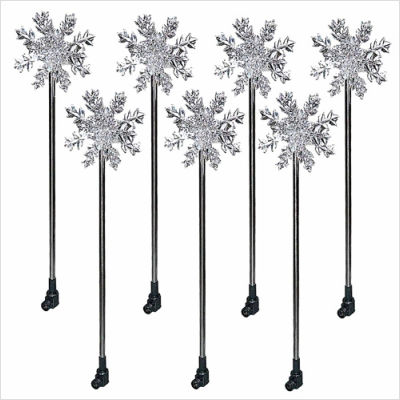 Solar Christmas lights don’t cost anything to operate, but the high purchase price might not add up to savings.
In the last few years, energy-efficient LED Christmas lights have largely replaced more wattage-thirsty incandescent strings, resulting in significant savings — LED lights use 70% less energy than their incandescent predecessors, and they last up to 10 times longer as well.
Now there’s a new kid in the string-light neighborhood: LED solar Christmas lights are appearing at retailers around the country, promising grid-free festive lighting for holiday-happy consumers.
Powering up solar Christmas lights
A string of solar Christmas lights uses a small solar panel for power; there are no extension cords that must be plugged into outlets. The panel — about the size of a hockey puck — powers rechargeable batteries that illuminate a 25- to 100-bulb string of LED lights.
Panels come with small stakes so you can put them in the ground, where they can take advantage of the sun. A fully-charged string of lights should glow for 6 to 8 hours after the sun goes down.
Solar lights vs. LED plug-in costs
Most consumers expect new technologies to cost more, but if saving energy and money is your main reason for considering solar-powered LED holiday lights, solar lights may not offer enough cost-saving to offset the higher initial purchase price.
Compare purchase prices:
Compare costs to operate:
Do the math, and you’ll see that it’ll take about 45 years for the energy savings from solar-power to equal the difference in purchase price between a plug-in string and a solar-powered string.
Advantages of solar lights
Disadvantages
 Real Estate and *stuff *