Real Estate and *stuff *
A real person helping real people with real estate
You can scroll the shelf using ← and → keys
You can scroll the shelf using ← and → keys
Love these guys! Check out this video blog with “Think Big, Work Small” as they recap a recent interview with Warren Buffett. As one of most recognized (and successful) investors of all time, he is not shaken by the housing market – in fact – he thinks it’s the place to put HIS money!
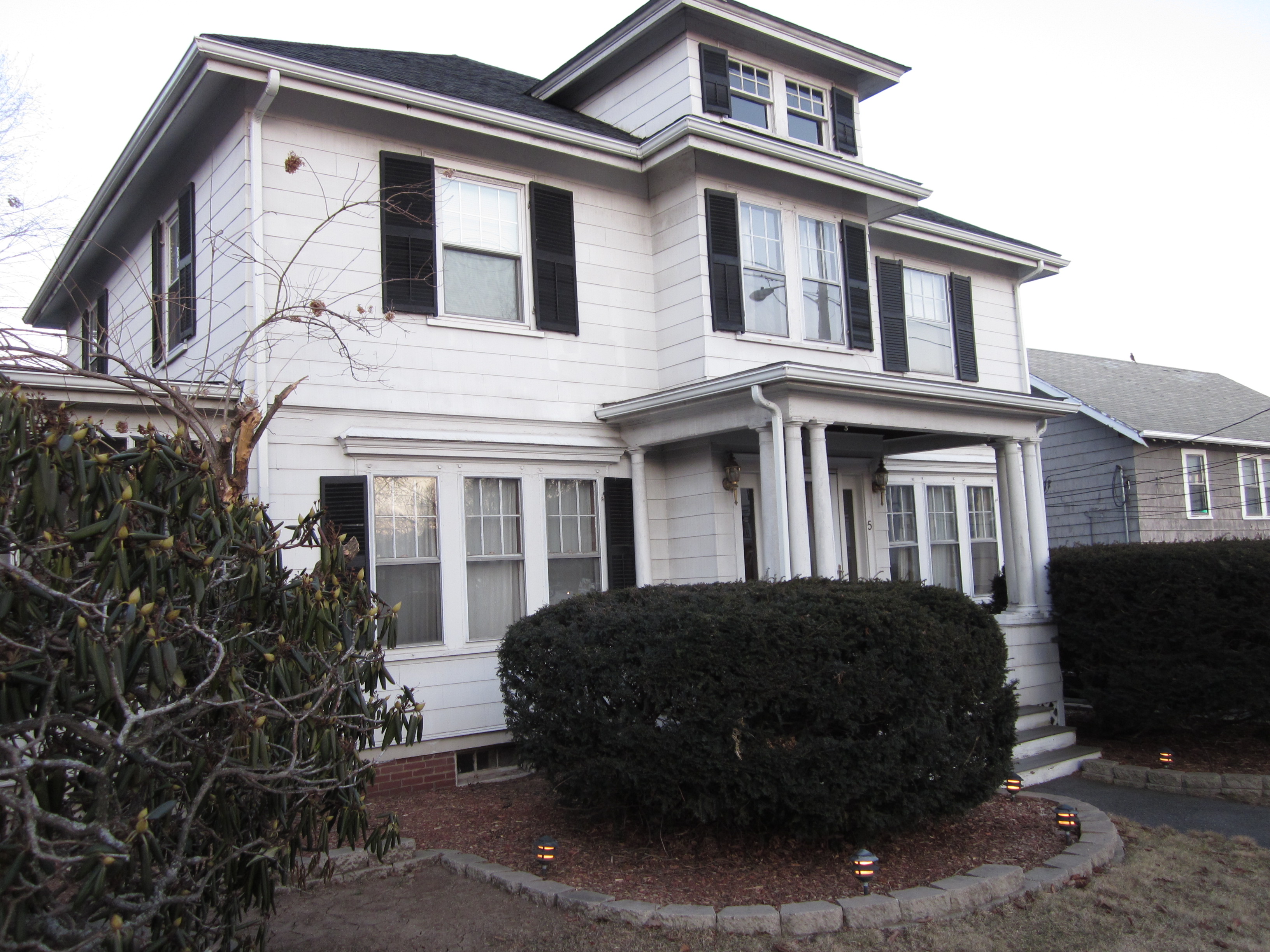
Stop in to 5 Pleasant Street in Marlborough to see this beautiful colonial that is in a prime location. Easy commute to 495 (less than a minute) but also a quick walk will bring you to the downtown area so you can enjoy all the shops and restaurants.
The house is brimming with gorgeous hardwoods, a grand stair case entrance and a screened in porch accessed through double french doors off the formal dining room and full pantry. It also has some serious living space with 4 bedrooms, a full dry basement and a full walk up attic. Don’t be fooled by the quaint fireplace in the living room – this house can be lived in!
Open 1pm to 3pm today – stop in to 5 Pleasant Street!


My recent addiction to this video blog is becoming a solid part of my morning routine. From the just the title of their blog “Think Big Work Small” to this quick report on a possible solution to the current housing market crisis proposed by Senator Menendez. Excellent way to keep up on things without having to read the entire proposal…and I love their comment at the end that even if this isn’t a perfect solution…it’s better than the road we’re on now!
Check out the “sewing room” in 5 Pleasant Street in Marlborough! New to market and open this coming Sunday (1/29) 12pm to 1pm this is some beautiful wood work!
4 bedrooms, 1.5 baths, hardwoods, full pantry, first floor laundry, fireplace and full dry basement. Special incentive pricing and a great location. You can walk to the downtown area for dinner or shopping and still be moments from 495 for the Monday morning commute.
Want to this in person? Stop in the open house on Sunday 1/29 or contact me
 A History of Business Cards
The business card is often something placed at the back end of your wallet or in your pocket. Deemed as a small inconsequential piece of paper that is part of day to day meetings with people, the card is seldom considered more than its face value. However, these cards have a long history and an evolution many of us don’t appreciate.
Business cards began in the 17th century in Europe, where they were used to announce the impending arrival of prosperous or aristocratic people to their local town or even their home. They were shaped and sized in a similar way to a playing card and became a staple of the elite by the middle of the century. In time the cards became engrave with gold and exciting typefaces and by the 19th century the cards were a must have by anyone, who was anyone in the middle class circles of the day. Houses even had card trays, ornate in construction, made so those visiting your house could leave their card in.

Goldsmith and engraver trade card

Florist trading card

Playing Card Manufacturer trade card

Dentist Trade card
By the 18th and the 19th centuries these ‘social cards’ were taken from each lady upon her first visit to a house. People were offered the card tray upon the opening of the door to the door and had to place their card in it as a matter of etiquette. This card was then delivered to the lady of the household, who would examine it – in many ways it created the first impression of the person.

Grieg, Edvard (1843-1907) Norwegian composer

Gorki, Maxim (1868-1936) Russian Novelist and Short Story writer

Freud Visiting Card (1856-1939) Austrian Neurologist
When the other person waited for those they came to see in the hall, it would have been unheard of for them to look at the other cards. Cards with folded corners had been presented in person, cards folded in the middle indicated the call was meant for all family members. There was also often lettering on the card P/F for a congratulatory visit, P/C for a condolence call.
Unlike in polite society – these cards were also used in the UK for trade purposes. These cards were handed out before or after work was done and included maps to get in contact with the person. Originally produced with wood presses, they would have been created with lithography after its creation in 1830.
The effects of the industrial revolution created a lessening of formality in the world. Exchanging of contact information became essential and the visiting card and trade card were merged and handed out on less formal occasions. The upper class still suffered an aversion towards their use on informal occasions, however they became widespread in the USA. Their widespread use often created up turned noses when an US business man presented one at an upper class home in the UK.
Time has eroded much of the etiquette regarding business cards, however rules do persist. Cards should not be handed out by the left hand, should never be written on and should always be translated to the language of the specific country they are being handed out in on the rear of the card. They should never be carried loose and presented in the best condition.
These days cards should have the name of the card holder, their title, the company, their location, and relevant contact information such as address, email, telephone and anything else you feel the need to add. Cards are usually printed in black ink on white paper, though this varies by country.
Following this logical etiquette means you and your cards won’t have any issues and just think how much more hassle you’d have had handing them out 300 years ago.
A History of Business Cards
October 26th, 2011 by Mirko in Graphic design, Inspiration
Fred and Ethel…the BNI Whales are just finishing up their week with RE/MAX. They aren’t quite ready to take on the blue R but they are close! Most of the day was not very exciting for them with price changes, property inspection reports, client files and short sale updating with the lenders. They declined pictures for the most part. I think Ethel is getting camera-shy.
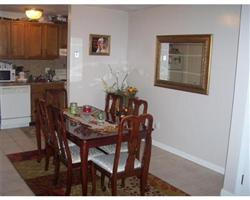
They spent some time with some new buyers looking at foreclosure condos in Marlborough and Grafton. They had a good time and it was nice to get to know some new people. Dan and Dan are just starting out with their search and we looked a few different areas so they could start to get a feel for what was available in their price range. Time well spent!
We did walk into a foreclosure on Hosmer Street. The complex is undergoing renovations but has been hit hard with short sales and foreclosures which makes it difficult for the association to maintain their budget. There is a 2 bedroom unit that I had shown when it was short sale and I’m not sure how we crossed paths but I found my business card on their living floor amiss the belongings they did not have time to take when they were foreclosed on. I wish they would have reached out – I might have been able to sell the condo short instead of them having to endure a foreclosure. It’s a huge difference – a short sale affects their credit for a much shorter time and future employers don’t ask if someone has short saled…but they do ask if they have had a foreclosure. Sad.
 The BNI Whales moved past this moment and marched on to an appointment with their new clients in Marlborough. Fred and Ethel helped list their condo on Friday and we received a full price offer on Sunday which we officially accepted this evening! They are SO EXCITED!!! We also signed their offer to purchase a new house in Southborough! YAY!!! Fingers and fins are crossed for them!
This is was the last day I will spend with the BNI Whales until the next time I win them. I hope that they enjoyed it as much as I did! I also hope that you reach out to find out more about the 7 Hills BNI Group! We do need more members and it has been a fantastic group to be a part of! If you want to be more successful in your business…it’s the place to be!
Wow…the Whales had quite the day! Part of the huge success I have as a realtor can be attributed to the weekly sales team meeting I have with the 7 Hills BNI Group. Each week we meet and have a chance to discuss what we do as professionals in our business and then part ways to pass referrals throughout the next six days. (A huge thanks to Pam Crawford at RE/MAX Professional Associates for getting me started – the support and eduction I have with the fantastic group of people I work with is sometimes staggering!)
But back the Whales…
 Fred and Ethel started the morning at 6am with a big cup of coffee and the laptop. A quick blog post about the open house this Sunday at 72 Glenwood Rutland. Followed by emails, Craigslist postings, a listing agreement, finalizing a lease agreement for later and verifying that an auction company has received the offer on the short sale listing so we can try to hold off the auction at the end of the month. And then they are off!
Egads…they did not get the offer and YET AGAIN the “find me, fax me” fax upload function is not working! Off to Office Max for Fred and Ethel to get that offer in! Luckily there is one nearby! Fred and Ethel make a note to call into the accessline on Monday morning and get the fax function corrected. $7.68 for a five page fax is just not okay!
 Fred and Ethel with meet with Sonia and Dave at their 2 bedroom condo in Marlborough to list it. Sonia and Dave have outgrown their space and want to move into a big home. Fred and Ethel played with their dog Lilly and had a quick game of “what’s in my room” with their daughter before signing the listing agreement and photographing the condo.
 Now that the sale portion of Sonia and Dave’s day is done, they take off with their daughter, her friend, faithful dog Lilly in one car and Fred and Ethel get in the jeep with me to take a look at a few houses to begin their search. They are hoping to find the “diamond in the rough” on a lake and we look at lake front in Wayland. Fred and Ethel say “TEAR DOWN” and wonder if the plot shape will allow a nice 2 to 3 bedroom home to be built after this one has a date with a bulldozer!
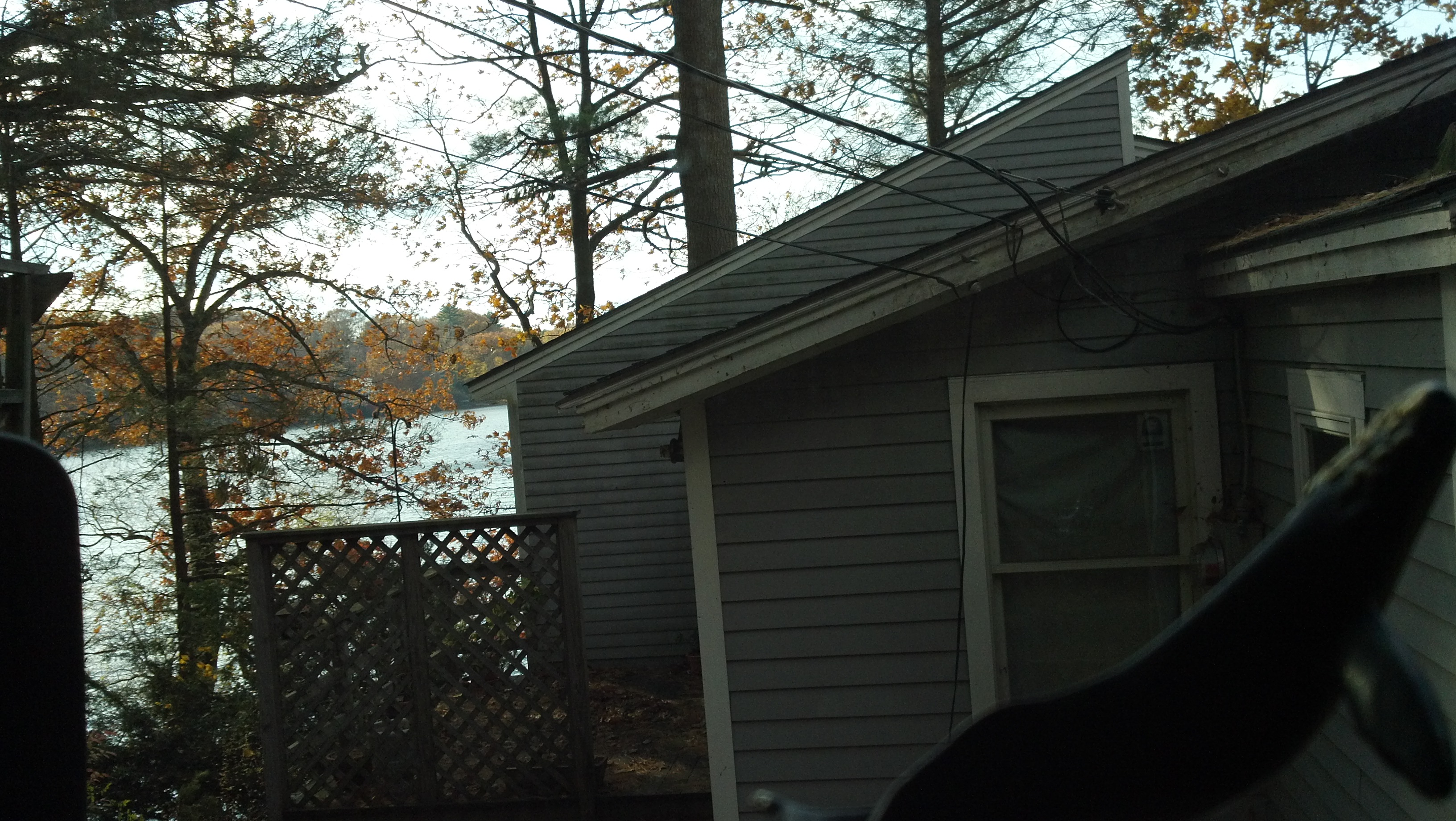 Off to the next lake house in Wayland. Much nicer but something is amiss. The listing was on the market for 129,000 then off for a week and then put back on the market at 179,000. Fred and Ethel review the house and all the major systems but find no reason for the $50k price increase. It’s an odd layout and Sonia and Dave decide to call it a day. The whales are off to stop back home and post up their condo listing.
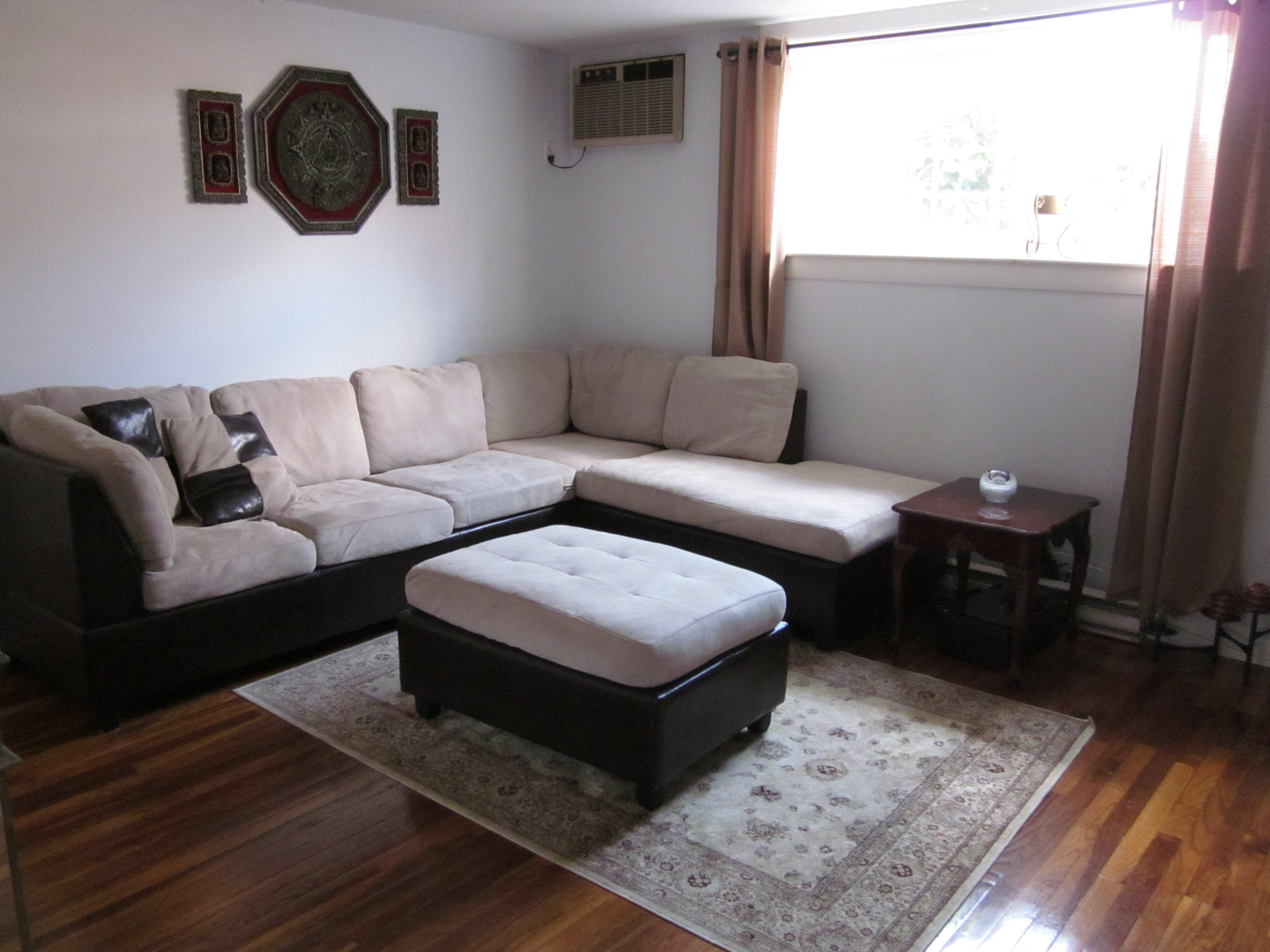 Fred and Ethel sort through the pictures, call on getting a copy of the condo docs and verify all the information with public records. Inputting the listing into MLS takes them about an hour total with the pictures. From here, the magic internet will spread the listing to Realtor.com, Remax.com, Trulia, Zillow, amymullenrealestate.com and beyond. Fred and Ethel will give it 24 hours to populate and then start to revisit the sites to make adjustments and monitor the activity. This happens daily for all the listings and helps keep them at the top of any buyer’s home search!

Again with more coffee…these Whales are picky too…they said something about Starbucks??!!?? Really?
 Fred and Ethel rush out of the house to make a home inspection in Worcester at 4pm with a buyer. Egads…it didn’t go well. The house has been completely redone on the inside and is an investor flip from a foreclosure purchase. As the home inspector says…”It’s lipstick on a pig. Take off the lipstick and it’s still a pig.” Adam Camosse is a great home inspector and my buyer thinks the world of him. We are waiting to find out why the house is held together in the attic with steel cables. I don’t think we’ll like the answer.
A quick stop at the mail box to drop some prospecting letters in the mail for the morning. Fred and Ethel learn the value of being “the first kid on the block” with expired listings!
 Last appointment of the day! Fred and Ethel meet the new tenants Mike and Amy at the rental listing in Marlborough to do a walk through of the apartment and sign their lease. The client Lynne is very excited about her new tenants and Fred and Ethel are shown here pulling up the lawn sign!
*whew* so the whales had a huge day! Listed, closed, viewed, inspected, prospected, blogged and of course took calls and meet new people! They decided that their favorite part of the job was meeting new people and helping them!
If you want to learn more about Fred and Ethel, BNI and RE/MAX – let me know!
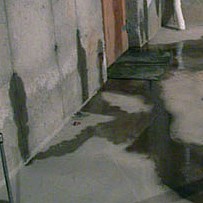 It’s raining so I couldn’t resist this blog. Solving wet-basement problems is one of the most important things you can do to protect the value of your home and health of your family. Additionally, a dry basement is a huge plus to home buyers if your house is on the market now or if you are considering selling. A finished basement is an even bigger plus!
Some wet basements are easy to cure simply by clearing gutters and by diverting gutter water away from the foundation. But if the problem comes from other sources—water flowing toward the house on the surface, seeping in from underground, or backing up through municipal storm drains—you must take more aggressive action.
Here are eight strategies to keep water out of your basement.
If downspouts are dumping water less than 5 feet away from your house, you can guide water farther out by adding plastic or metal gutter extensions.
But extensions aren’t the neatest or most effective long-term solution, especially if you’re likely to trip over them or run over them with a lawn mower. Permanent, underground drain pipe is invisible and capable of moving large quantities of gutter runoff much farther from your house.
For about $10 a foot, a landscaper or waterproofing contractor will dig a sloping trench and install pipe to carry the water safely away.
If you see water dribbling into the basement through cracks or gaps around plumbing pipes, you can plug the openings yourself with hydraulic cement or polyurethane caulk for less than $20.
Plugs work when the problem is simply a hole that water oozes through, either from surface runoff or from wet soil. But if the water is coming up through the floor, or at the joint where floor and walls meet, the problem is groundwater, and plugs won’t do the trick.
If the gutters are working and you’ve plugged obvious holes, but water still dribbles into your basement or crawl space from high on foundation walls, then surface water isn’t draining away from the house as it should.
Your house should sit on a “crown” of soil that slopes at least 6 inches over the first 10 feet in all directions.
Over time, the soil around the foundation settles. You can build it back with a shovel and dirt. One cubic yard of a water-shedding clay-loam mix from a landscape supply house costs around $30 (plus delivery) and is enough for a 2-foot-wide, 3-inch-deep layer along 57 feet of foundation.
Since your home’s siding slightly overlaps its foundation, building up the crown could bring soil–and rot and termites–too close to siding for comfort: 6 inches is the minimum safe distance. In that case, create a berm (a mound of dirt) or a swale (a wide, shallow ditch), landscape features that redirect water long before it reaches your house.
In small areas, berms are easy; a landscape contractor can build one for a few hundred dollars. On bigger projects, berms make less sense because you’ll have to truck in too much soil. In that case, dig a swale (about $1,000). Once landscaping grows in, berms and swales can be attractive features in your yard.
If water is leaking into your basement low on the walls or at the seams where walls meet the floor, your problem is hydrostatic pressure pushing water up from the ground.
First, check whether you have footing drains, underground pipes installed when the house was built to carry water away from the foundation. (Look for a manhole or drain in the basement floor or a cleanout pipe capped a few inches above the floor.)
If the drains are clogged, open the cleanout and flush the pipes with a garden hose. If that doesn’t work, a plumber with an augur can do the job for about $600.
If you don’t have working footing drains, install a curtain drain to divert water that’s traveling underground toward your house.
A type of French drain, a curtain drain is a shallow trench–2 feet deep and 1.5 feet across–filled with gravel and perforated piping that intercepts water uphill of your house and carries it down the slope a safe distance away.
If the drain passes through an area with trees or shrubs, consider switching to solid pipe to reduce the risk of roots growing into the piping and clogging it. Cost: $10 to $16 per linear foot.
If you can’t keep subsurface water out, you’ll have to channel it from the inside.
To create an interior drain system, saw a channel around the perimeter of the floor, chip out the concrete, and lay perforated pipe in the hole. The pipe drains to a collection tank at the basement’s low spot, where a sump pump shoots it out the house.
Starting at about $3,000, an interior system is the best and least disruptive option in an unfinished basement with easy access. It’s also a good choice if your yard is filled with mature landscaping that digging an exterior drainage system would destroy.
Installing an interior drainage system gets the water out but doesn’t waterproof the walls. For that, you need an exterior system: a French drain to relieve hydrostatic pressure and exterior waterproofing to protect the foundation.
It’s a big job that requires excavating around the house, but it may be the best solution if you have a foundation with numerous gaps. It also keeps the mess and water outside, which may be the best choice if you don’t want to tear up a finished basement.
The downside, besides a price tag that can reach $20,000, is that your yard takes a beating, and you may need to remove decks or walkways.
I have done several of these in order to obtain a “mostly” dry basement. I am very happy I did!
 Real Estate and *stuff *