Real Estate and *stuff *
A real person helping real people with real estate
You can scroll the shelf using ← and → keys
You can scroll the shelf using ← and → keys
 Use your phone or tablet to improve and repair your piece of the world. Here’s a look at some of the top choices, their costs and which systems they fit.
Want to fix that fence or raise a prize-winning Big Boy tomato? There’s an app for that.
Whether you’re a backyard putterer or you want to replace a leaking toilet flapper, a slew of phone and tablet applications are available to help you do the job. They range from the basic — such as the $1.99 iHandyCarpenter, which turns your phone into a virtual plumb-bob, protractor and bubble level — to the pricey and detailed, such as the $19.99 Garden Plan Pro, for serious garden planners.
Don’t want to waste a lot of time hunting for the best mobile tools? Look no further. Download these eight great apps for gardeners and do-it-yourselfers. Your phone may soon earn a spot on the tool belt next to your hammer.
1. inchCalc and inchCalc+
Cost: $1.99; $4.99 for inchCalc+
Devices: iPhone, iPod Touch and iPad
An app doesn’t have to be complicated to be useful. With inchCalc, you’ll never again have to convert those tape-measure measurements in your noggin. Punch the dimensions into this app — inches or centimeters, whole numbers or fractions — and this app spits out the results. You can even input square feet and square inches.
The pricier advanced app, designed for architects and engineers as well as do-it-yourselfers, also lets you solve for right triangles. Input any two variables — including pitch, rise, run and diagonal — and the app calculates the other variables.
2. Home Depot
Cost: Free
Devices: iPhone, iPad, iPod Touch, Android and Windows Phone
Home Depot’s app does all the routine stuff you’d expect from a big-box retailer. It finds nearby stores, lets you check inventory on more than 350,000 items, scans bar codes in the store and provides user reviews. The app has in-store maps, too, so you don’t get lost in those huge warehouses.
But we like this pony for its other tricks: Place an unknown nut or bolt on the screen, for instance, and the app will help you identify its size — then save that info for your trip to the store. Another nice feature is the drywall calculator. Tell the app the wall dimensions, and the app will spit out the number of wall panels and screws and the amount of tape to purchase. It also has an insulation calculator, a flooring calculator and a paint calculator, so you get it right the first time and can cut out annoying return trips.
Finally, the app has hundreds of DIY videos on subjects from painting walls to installing toilets, so you can bring the instructions right under the sink with you. Warning: The videos vary in usefulness. One potentially annoying tic: You have to choose your local store before you can access the app’s functions.
3. Iris
Cost: Free for controller app; device price starts at $179
Devices: iPhone, iPad and Android
Want to run your house remotely? Now you can. Lowe’s’ Iris, introduced earlier this year, is a cloud-based system that the home-improvement chain is pitching as a lower-cost way to manage your home when you’re not there. The basic Safe & Secure Kit comes with a hub to connect to your home’s broadband router, plus a motion sensor and a few window sensors.
The Comfort & Control Kit, also $179, comes with the hub and a “smart” thermostat and smart plugs that control devices such as your living-room lamp through your router via a free app on your phone or tablet.
Iris is all DIY. You can add sensors and locks that work with Iris as you like.
The basic service is free. For $9.99 a month, you can pull off more complex things — set up a “night” mode, for example, that turns on your home’s alarm while turning off your motion sensors upstairs.
4. Landscaper’s Companion
Cost: $4.99
Devices: iPhone, iPad and Android
Gardeners are a tough, critical bunch who disagree about a lot of things, including the best gardening apps. One of the more thorough applications is Landscaper’s Companion.
The app’s encyclopedic database of plants and vegetables now contains more than 25,000 entries for North America, the United Kingdom and Australia, with about 15,000 pictures.
Wondering what to plant in that finicky patch of ground? Users can search plants by common or scientific name, sun exposure, hardiness zone, water requirements and bloom time. Search results usually turn up a picture, plus basics about the plant (is it thorny?) and information such as mature heights and widths.
Don’t see a plant? You can add it to your database and save your lists, too.
5. 3D Home Design by LiveCad
Cost: Free demo; $7.99 for full app
Devices: iPhone, iPad and iPod Touch
3D Home Design is a pared-down version of a software program that many home and interior designers use. If you’ve wondered about changing the color or layout of some rooms in your home, this app can help you envision it.
Here’s how it works: Drag your finger across the screen to create a room like the one in your home. Add furniture, windows and structural elements where they exist or where you’d like to see them; the app has about 150 different objects. You can change their size to match the room. With the press of a button, you can see the revamped room in 3-D and swap out materials such as wall color and flooring. These tasks may be easier and more satisfying on the larger screen of an iPad than on a mobile phone.
Users’ biggest complaint? The full complement of “atmospheres” — more furniture and other possible additions — costs several dollars more than the basic app. A free demo version of the app is available, if you want to take it for a spin before you buy.
A less well-received version, called Home Design 3D, is available for the Android. The demo is free; the app is $4.79.
6. SightLevel 3.0 and Pro 3.0
Cost: Free; Pro 3.0 (without ads) is $3.99
Devices: iPhone or iPad 2 or 3, with camera
Sight levels are useful for determining if walls, picture frames and other such things are straight, but they can also determine the slope of a road or landscape.
SightLevel is a “virtual laser level.” Of course, your phone doesn’t have a laser in it, but this app uses the device’s camera and internal accelerometer to gauge angles. Hold up the camera, tilt it until the bubble is centered and use the horizontal red line to determine the slope.
You can also overlay grids on the image, and you can use two fingers to find the slope of a portion of the image. There’s also a built-in flashlight for dark corners.
7. Houzz Interior Design Ideas
Cost: Free
Devices: iPhone, iPad and iPod Touch
Do you dream about decorating ideas? Houzz is your virtual scrapbook.
The app has more than 500,000 high-resolution images from more than 65,000 designers. You can search by room, style and location, then save the snapshots that strike you, so you can refer to them later. The app also recommends local stores, designers and architects.
There’s also a Houzz Kids’ Rooms app, searchable by age group.
8. Leafsnap
Cost: Free
Devices: iPhone and iPad
This is what mobile phones should do all the time: make life easier, by giving us info at our fingertips. Leafsnap is an electronic field guide. It uses visual-recognition software to identify tree species from photographs of their leaves.
Take a photo of a leaf on that weird tree in your backyard, and Leafsnap will show you whether it’s an Allegheny serviceberry or Yoshino cherry. It also will provide handsome, high-resolution images of the tree’s flowers, fruit, petioles, seeds and bark.
Leafsnap isn’t perfect. Its database of more than 130 trees covers only Washington, D.C., and parts of the Northeast, for now. Photos also must include a single leaf on a white background for the automatic algorithm to identify it. Still, it’s pretty cool.
The app was developed by researchers from Columbia University, the University of Maryland and the Smithsonian Institution.
This blog was so great that I had to post – thanks to By Christopher Solomon of MSN Real Estate for writing it!
Fred and Ethel…the BNI Whales…had a good taste of a sunny Sunday in real estate and *stuff*! They started the day at 4:30am because Ethel couldn’t sleep very well. She’s pretty nervous about making sure we can stall the foreclosure sale on a property before the end of the month and wanted to pull some more information together. Fred was a bit annoyed at the early hour but as he said “early to bed early to rise, makes a BNI Whale Healthy Wealthy and Wise”…or something to that effect.
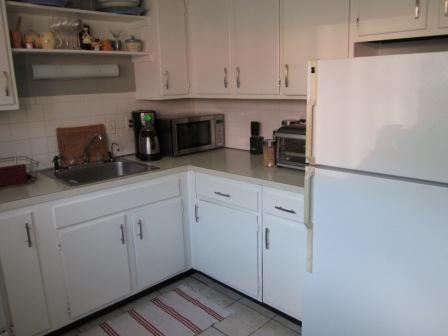
After a showing at the new listing, the Whales were thrilled to get an offer on the condo they just listed on Friday! Amazing! Fred remarked that is what happens with a well priced, well marketed listing and timed release to market. The sellers are happy – the BNI Whales are happy and Sunday brimmed with sunshine!

Off to do some more showings and check in on the open houses in Rutland and Leicester. Apparently the mouse solution in the walk up attic worked well because it rained deceased mice on to a prospective home buyer. Consulted with the home owner and we won’t have that happening again (sorry Wendy!). Leicester had good traffic and Fred and Ethel think we’ll have it under contract early this week. I think they are right – they are getting the hang of real estate quickly!

Fred and Ethel finished up the day with scheduling showings for Monday and Tuesday, confirming meetings and visiting Lowes to look for indoor lighting solutions for the living room. Holding back from calling Chris McGarry – the electrician for the 7 Hills BNI Group (top rated with service magic ) to find out how to make an outdoor light an indoor one – Fred and Ethel settled on a new light fixture with the husband and called it a day.
Each profession is allowed just one representative per BNI Group – that means that you will no competition within the group for referrals! We are currently looking for a variety of industries…such as:
 Who is noticing a theme here? Yes, we are looking at the routine maintenance that keeps the things IN your home running well. Avoid those “disaster days” when you wake up late, the news is promising a nasty commute and you forgot to pick up coffee the night before.
Keep your water heater running efficiently and reliably with this simple maintenance routine.
Here’s a list of maintenance tips to keep your water heater running efficiently and reliably:
WOW! It’s a busy week this week! Please join me at any one of the following events:
TUESDAY: RE/MAX Professional Associates and Lowe’s : This is a weekly event at the Lowe’s in Ware where we combine their know-how to keep your house in tip-top shape and our know-how to tell you how it affects your sale price (now or in the future) as well as the local market conditions. Every Tuesday evening in Lowe’s there is an in-store demo on a different topic at 6pm and Mark Seymour, the store manager, extends special discounts for the people that stop in. THIS WEEK – DRYWALL REPAIR! With so many leaking roofs and ice dams we thought it would be great to do an in-store clinic on Drywall Repair! Please join myself and Pierre (http://www.meetup.com/Lowes-Home-Improvement-In-Store-Demos/)
 WEDNESDAY: Broker’s Open at 1 Fairbanks in Milford: Check out this very solid house in Milford – 4 beds, 2 baths and SPACE! In a quiet family area but yet close to EMC and 495 this house shows pride of ownership and is a solid value. The added family room creates a nice flow to the floor plan and adds a great space to relax and look out the sliders to the deck (spring is coming – really!). Stop in between 12pm and 2pm to check it out or on Saturday at the Public Open 1pm to 3:30pm. For more information, click HERE
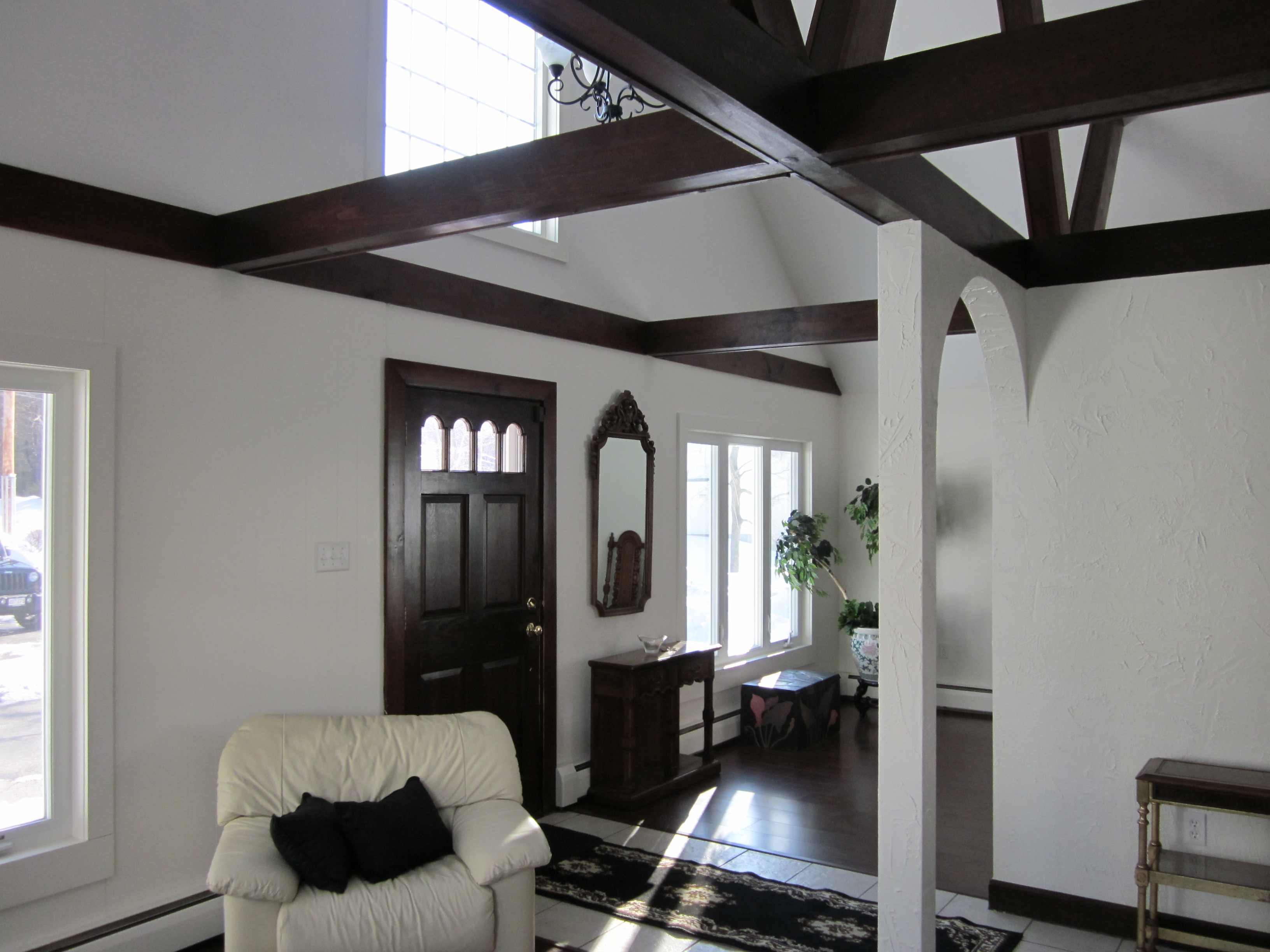 THURSDAY: Broker’s Open TOUR in Shrewsbury: FOUR fantastic homes will be open 12pm to 2pm this Thursday for you to review! My listing at 272 Oak Street is a unique and stylish renovated home that is a must-see to appreciate. 4 bed, 2 bath on a great lot that is commuter friendly with a legal in-law. Seller financing available.
From the old to the new and renovated in-between! Light refreshments at locations.
Public open at 272 Oak Street in Shrewsbury following on Saturday 11:30 to 1pm! For more information on this house, click HERE.
Take a few moments and join me at any one of these events – I’d love to chat with you!
With so many people looking at water damage from ice dams and facing today’s rain (and inch and a half in some areas of Massachusetts) this is the perfect topic for a blog today.
Homeowner insurance appraisers are at a premium for time as they are booked through the next month to document claims from the damage. Wet walls, ceilings and floors are commonplace in homes throughout New England. This blog is curtsey of HouseLogic. They have pulled together some interesting numbers on just how much it costs to repair this damage as they look back at a season of costly roof cave-ins, frozen pipes, and window-shattering snow blowers to tally up the cost of the damage.
It’s always bad news when a raging blizzard comes knocking, but most of us manage to keep the snow outdoors where it belongs. Iowa couple Steve and Betty Ehlers weren’t so lucky. Unfortunately, the blizzard they thought they were escaping when they went on vacation decided to let itself into their home and make itself comfy. A family member who came to check on the house found snow piled in the hallway and kitchen—and even inside some closets and cupboards. How’d it get there? Heavy winds had blown open a side door.
Culprit: Blizzard and a blown-open door. When snow floods into a home and no one’s around to clean it up right away, it has nothing to do but melt. Unfortunately for the Ehlers, this type of water damage is usually not covered by insurance.
Repairs needed: Drywall, trim, carpet and flooring, paint and wall finish, and furniture and personal items.
The bill: $5,896
*National average for water damage from flooding, Insurance Information Institute
A Springfield, Mass. man, Dan Scagliarini, got quite the wake-up call when his roof collapsed while he was counting sheep. Scagliarini was sleeping on the second floor of a multi-family house, which had he just moved into two days before, when the roof buckled under the pressure of snow at just past 7 a.m. on Feb. 3. To hear him tell it in this video clip, the noise woke him right up and he went to investigate–finding a “big hole” in his dining room ceiling. However, the Associated Press reported firefighters who arrived on the scene found Scagliarini still asleep after the collapse and had to escort him out. Regardless of how deeply Scagliarini was sleeping, he escaped safely. But he did need to find a new place to live. The building was condemned as a result of the disaster.
Culprit: Heavy snow on a weak roof. Snow is heavy! Even just 3 inches of dry snow can weigh about 9.5 pounds per square foot. Wet snow of the same depth? Sixty-two pounds per square foot. This means that for New York, which got hit with three feet in January, that’s 744 pounds of snow per square foot! It’s no wonder we heard about so many roof cave-ins this year. What’s worse, they’re really expensive to replace.
Repairs needed: Rafters or trusses, roof sheathing, wall studs, drywall, insulation, windows, siding, carpet and flooring, furniture and personal items, wiring, lighting, and ductwork or plumbing.
The bill: Around $20,000 to $30,000 for a roof rebuild/repair.
Sure, dealing with ice in the wake of a storm can be a real bother–not to mention a real hazard. But most people would rather spend a few bucks on a bag of salt before risking losing their house to a fire. Most people, that is, except one Bedford, Mass., man who tried to melt ice from his back porch with a blowtorch and ended up setting his house on fire. The lesson here? Let nature take its course–the sun’s heat and salt’s ice-melting power may be slow, but they’re definitely a lot safer.
Culprit: Fire and ice. Local police reported the man was using a blow torch hooked up to a 20-pound propane cylinder. But rather than melting the ice, he burned his building’s wood frame, vinyl siding, and second- and third-story apartments.
Repairs needed: Vinyl siding, wood frame, drywall and insulation, furniture and personal items, wiring, lighting fixtures, and ductwork or plumbing.
The bill: $30,000.
To see a great video of this from Channel 7 click HERE
Winter is hard enough without having your home beaten up by snow blowers. But that’s what happened to home owners in Brooklyn, New York, last December. The powerful machines being used to clean up subway stations in the wake of a severe storm inadvertently sent snow flying through the windows of nearby homes.
Culprit: Snow blowers. It’s good that the transportation authority has such powerful, ready, and able cleanup tools–but a little more care might have prevented the home damage residents suffered.
Repairs needed: Windows with new 3×5-foot double hung vinyl
The bill: $1,106 per window.
When temperatures drop as quickly and as sharply as they did in the Southwest this season, water damage is not far behind. Crews in the normally balmy cities of Texoma, Texas, and Las Cruces, New Mexico, had to scramble to repair water damage from burst frozen pipes in hundreds of homes after a drastic temperature drop.
Culprit: Flooding from frozen pipes. When a pipe bursts, a tidal wave of water pours from a wall or ceiling into the living area of the home. It’s an incredibly destructive event that a home owner needs to respond to quickly in order to contain flood damage and get the best outcome possible with the insurance company.
Repairs needed: Drywall, trim, carpet and flooring, paint and wall finish, pipe repair, wiring and fixture repair, water removal, furniture, and personal items.
The bill: $12,000 to $15,000.
These are some extreme damages because of the weather this winter but many homeowners have the more average-sized water leaks due to ice dams and need to repair their ceilings and walls. RE/MAX Professional Associates hosts a weekly event with Lowe’s (Ware, MA) for homeowners and this coming Tuesday (3/1) we will be focusing on these repairs in a How-To Clinic on Interior Drywall Repair. You can find out more information at our Meet-Up Group Site or our Facebook. We hope to see you there!
 It’s not a secret that a kitchen can make or break a house sale. It’s the room we spend the most time in and it’s the room that most buyers give the highest priority. Even if you are not considering selling your house – we still all focus on the kitchen.
I thought this would be a great blog to go with our in-store demo at Lowe’s this evening. We will talking with the experts in kitchen cabinetry at Lowe’s in Ware (http://www.meetup.com/Lowes-Home-Improvement-In-Store-Demos/events/16642827/) as part of our weekly series. Stop in the find out more about your kitchen cabinet choices, costs and where to begin when planning your kitchen remodel.
This article keeps it simple – Keep the same footprint, add storage, and design adequate lighting so you preserve value and keep costs on track.
Simple enough? Not so fast. The National Kitchen and Bath Association (NKBA) recommends spending at least six months planning before beginning the work. That way, you can thoroughly evaluate your priorities and won’t be tempted to change your mind during construction. Contractors often have clauses in their contracts that specify additional costs for amendments to original plans. Planning points to consider include:
Because planning a kitchen is complex, consider hiring a professional designer. A pro can help make style decisions and foresee potential problems, so you can avoid costly mistakes. In addition, a pro makes sure contractors and installers are sequenced properly so that workflow is cost-effective. Expect fees around $50 to $150 per hour, or 5% to 15% of the total cost of the project.
No matter the size and scope of your planned kitchen, you can save major expense by not rearranging walls, and by locating any new plumbing fixtures near existing plumbing pipes. Not only will you save on demolition and reconstruction, you’ll greatly reduce the amount of dust and debris your project generates.
A six-burner commercial-grade range and luxury-brand refrigerator might make eye-catching centerpieces, but be sure they fit your lifestyle, says Molly Erin McCabe, owner of A Kitchen That Works design firm in Bainbridge Island, Wash. “It’s probably the part of a kitchen project where people tend to overspend the most.”
The high price is only worth the investment if you’re an exceptional cook. Otherwise, save thousands with trusted brands that receive high marks at consumer review websites, like www.ePinions.com and www.amazon.com, and resources such as Consumer Reports.
Some guidelines:
“People are putting more emphasis on functionality and durability in the kitchen,” says McCabe. That may mean resisting bargain prices and focusing on products that combine low-maintenance with long warranty periods. “Solid-surface countertops [Corian, Silestone] are a perfect example,” adds McCabe. “They may cost a little more, but they’re going to look as good in 10 years as they did the day they were installed.”
If you’re not planning to stay in your house that long, products with substantial warranties can become a selling point. “Individual upgrades don’t necessarily give you a 100% return,” says Frank Gregoire, a real estate appraiser in St. Petersburg, Fla. “But they can give you an edge when it comes time to market your home for sale” if other for-sale homes have similar features.
To add storage without bumping out walls:
Having a good rapport with your project manager or construction team is essential for staying on budget. “Poor communication is a leading cause of kitchen projects going sour,” says McCabe. To keep the sweetness in your project:
Consumers spend more money on kitchen remodeling than any other home improvement project, according to the Home Improvement Research Institute, and with good reason. They’re the hub of home life, and a source of pride. With a little strategizing, you can ensure your new kitchen gives you years of satisfaction.
Please stop in at Lowe’s at 6pm and join us for an in-person discussion. For more information: http://www.meetup.com/Lowes-Home-Improvement-In-Store-Demos/events/16642827/.
 Low-cost kitchen storage strategies bring calm to your kitchen, banishing stress-inducing clutter and leaving the space calm and orderly. Good news for budget-minded cleaning compulsive: Getting organized in the kitchen won’t drain your piggy bank! Stash more cash and control the chaos with these low-cost kitchen storage solutions, all readily available at home centers, discount stores and online.
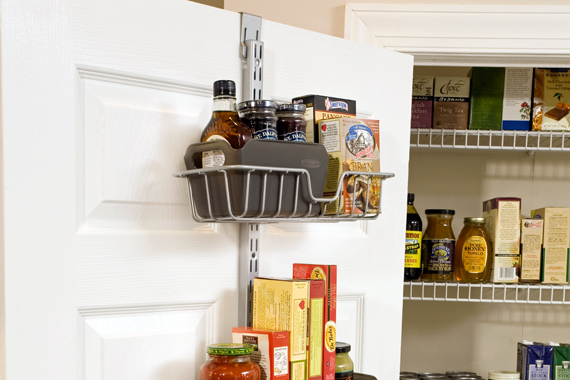 Rack attack: Store pots, everyday dishes, spices, and wine on racks that are freestanding, wall-hung, and ceiling-hung–and voila! Everything is in its own location, visible, and easily accessible!
Position the racks where they make sense: A pot rack above the cooktop; a dish rack close to the dishwasher for quick unloading; spices near the range or meal prep area; a wine rack near the wine glasses and dining table.
You’ll find racks in metal, wood, and other materials, starting as low as $10 to $15.
Shelf expression: You can size an open shelf to fit anywhere you need it and paint or stain it to match your décor. Use shelves for storing such kitchen necessities as cookbooks, attractive dishware, oils and vinegars, and spices.
Home improvement centers have storage sections where you can hunt, but don’t overlook the office supply and bathroom sections for even more low-cost shelves.
You’ll find cool shelves starting as low as $8.
 Great divide: Organize the contents of kitchen drawers and cabinets with wire or wood inserts. Drawer dividers keep utensils sorted and orderly. Vertical dividers inside cabinets create a spot for storing trays and cookie sheets. You’ll also find special inserts for storing knives and spices neatly inside drawers.
Available in wire, wood, or plastic, dividers start at about $3.
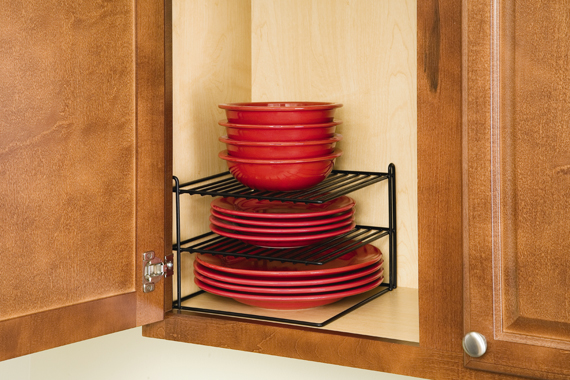 Elevated thinking: Wire stacking shelves have legs to elevate the storage surface. Set a stacking shelf on a countertop, existing shelf, or inside a cabinet to increase kitchen storage space. Use a stacking shelf for canned goods, dishware, spices, and more.
Prices start at about $6.
Hang ups: Install pegs or hooks along a backsplash, inside cabinets, or anywhere on a kitchen wall to create a place for cups, hot pads, cooking utensils, keys, and recipe clips. Hooks are available that fit over doors or come equipped with magnets that adhere to any metal surface.
Pegs and hooks start as low as $1.
Basket case: Baskets come in a variety of materials to complement your décor, from natural woven grasses to canvas to colorful plastic bins. Set baskets on open shelves, inside cupboards, and on the kitchen counter to round up small items, such as napkin rings and bamboo skewers.
Baskets are great for storing dish towels, cloth napkins, and coupons. Prices start as low as $1.


 Real Estate and *stuff *