Real Estate and *stuff *
A real person helping real people with real estate
You can scroll the shelf using ← and → keys
You can scroll the shelf using ← and → keys
 The numbers are in and WOW!
The data used in the Cost vs. Value Report was collected with the help of REALTOR® Magazine in an online survey between August and October 2013. More than 4,500 NAR members participated from 101 U.S. cities, up from 81 cities included in last year’s survey.
Visit www.costvsvalue.com to find information from the 101 cities included in the survey and download free PDFs that include specific metro-area market data. (Site registration is required.)
If you are considering a home improvement project to boost the quality and appeal of your home, here is the list of top 10 midrange and upscale projects from the 2013-14 Cost vs. Value Report:
Top 10 Midrange Projects1. Entry Door Replacement (steel) 2. Deck Addition (wood) 3. Attic Bedroom 4. Garage Door Replacement 5. Minor Kitchen Remodel 6. Window Replacement (wood) 7. Window Replacement (vinyl) 8. Siding Replacement (vinyl) 9. Basement Remodel 10. Deck Addition (composite) |
Top 10 Upscale Projects1. Siding Replacement (fiber-cement) 2. Garage Door Replacement 3. Siding Replacement (foam-backed vinyl) 4. Window Replacement (vinyl) 5. Window Replacement (wood) 6. Grand Entrance (fiberglass) 7. Deck Addition (composite) 8. (tie) Bathroom Remodel (tie) Major Kitchen Remodel 9. Roofing Replacement 10. Bathroom Addition |
 These stair treads are MDF covered in stained brown paper, giving the overall effect of cork. All images in this post: Rachael from Lovely Crafty Home
When I first saw pictures of Rachael Evans’ stairway upgrade, I honed in on the textured wallpaper she applied to the risers beneath what looked like cork treads.
But as I read Rachael’s post, I realized the treads were not cork or burled wood. They were MDF covered with stained brown paper — a decoupage technique that made the plain treads look expensive and elegant. It’s faux flooring for less than $100.
Brown-Paper Stairs 101
This time-intensive but low-cost refinishing technique requires:
Rachael has printed a complete tutorial on how to lay down brown paper flooring. Here’s the basic process.
1. Remove carpet and padding.

2. Tape off baseboards to protect the paint.
3. Tear paper into 6- to 12-inch-diameter pieces; the smaller the pieces, the more leathery the floor will look. (Pieces with straight edges are good for applying next to walls.) Crumple into balls and toss into a contractor’s plastic bag until you need them.
4. Dilute glue with water using a ratio of 3 parts water to 1 part glue. Only dilute enough glue to use in one session.
5. With a paintbrush, brush treads with undiluted glue.
6. Dunk 5-6 balls of paper at a time into the diluted glue; squeeze out excess.
7. Lay paper on treads, overlapping a little. Brush the diluted glue mix over the paper to flatten and remove wrinkles.
8. Allow to dry for about 12 hours.
9. Apply stain, and let that dry for 48 hours.
10. Apply 12 coats of water-based polyurethane, sanding lightly between coats.
Wallpaper Risers
Once you’ve finished refinishing the treads, you can refresh the risers by applying paintable textured wallpaper. Rachael used an embossed print called anaglypta ($20 for 22 sq. ft.), which looks like vintage metal ceiling tiles.
To give the project a finished look, she glued a piece of trim onto the bottom of each riser.

Lessons Learned
1. Work on every other stair, so you can use the stairway while you’re refinishing. The project will take four days to complete, so you don’t want to be without your stairway for that long.
2. For best results, practice the technique on scrap wood before trying it on the stairs.
3. For a light, natural color, skip the stain.
4. Allow everything to dry completely before proceeding to the next step. Patience is key to good results!
Thank you Rachael!
 If you like to get your money’s worth by squeezing every ounce from a tube of toothpaste, you’ll be happy to know it has many other uses around the house besides cleaning your teeth.
What MacGyver did:
Used plastic explosives disguised as toothpaste to create a diversion, allowing him to disarm his captor.
What you can do:
 Thanks in no small part to MacGyver, the paper clip has found many uses around the house, especially when it comes to quick fixes.
What MacGyver did:
The question is: What didn’t he do when a paper clip was within reach? MacGyver hotwired cars, picked locks, disarmed missiles, and everything in between.
What you can do:
 Get yourself out of a home repair jam with this common household item famously used by our favorite handy hero: MacGyver.
We’ve all had them: the clogged drain, the ripped vacuum hose, the unsightly hole in the wall. Home repair emergencies like these are the last thing you need when you’re running out the door, running after the kids, or fielding other household chores. Channel your inner MacGyver by taking advantage of one common household item the classic action hero made famous: a roll of duct tape.
What MacGyver did:
Used duct tape to seal a hole in a hot air balloon, allowing him to escape his pursuers.
What you can do:
Who doesn’t love a good MacGyver episode??
 Salvaged building materials allow you to improve your home inexpensively—but might require an extra investment of time and energy.
If you’re looking to improve your home on the cheap, consider using salvaged building materials. Besides being less expensive than new materials, secondhand features can add character, quality, and value to your home. But note that the savings in dollars may require a greater investment in time and effort.
Remodeling with secondhand building materials has many fans. Some are owners of historic houses who improve their homes by adding period elements. Others follow green building practices and appreciate conserving resources and keeping materials out of landfills. And still others are looking for quirky elements that will break their homes out of cookie-cutter molds.
According to the Building Materials Reuse Association, recycling is becoming more common in the construction industry. That means reclaimed building elements like doors, windows, plumbing fixtures, and wood flooring are increasingly easy to find.
Habitat for Humanity’s nationwide chain of ReStores sells recycled items, and many cities have architectural salvage yards. Online, neighbors advertise unwanted items on community bulletin boards, such as Craigslist, and national directories of recycled materials, such as EcoBusinessLinks, can be great sources for hard-to-find elements. And the price is right: reused pieces can be 50% to 75% cheaper than their new counterparts.
Sounds terrific, right? But it’s not that simple. Using recycled building elements is like shopping at a thrift store: You can’t be certain you’ll find exactly what you’re looking for. Anyone interested in a good deal to spruce up their home—an ornate wood mantelpiece or a set of Victorian doors, for example—has to be willing to compromise on some of the details and commit some time to the endeavor.
If you live in or near a city and have access to a salvage yard, you’re in luck. Many receive multiple new shipments daily, and some, such as Seattle’s Second Use, post their offerings online.
But in most cases, there’s no substitute for regularly showing up in person to check out what’s available. If you’ve got something particular in mind, plan on spending a few afternoons at the salvage yard trying to track down what you’re looking for. The same is true if you’re exploring online: locating the right piece may take longer than you’d expected.
Before beginning your search, make sure you’ve got measurements in hand. It’s useful if you can allow for some wiggle room: unlike big home improvement stores, the items on sale are usually one-of-a-kind pieces. So while a recent truckload might have dropped off a beautiful old mantelpiece, the size might not be an exact fit; know in advance if you can manage with a slightly larger or smaller size.
Some old items need to be treated with serious care. Ruthie Mundell of Community Forklift, a salvage yard in Edmonston, Md., says that the staff tries to flag items that appear to be lead paint hazards—that is, anything painted prior to 1978, when the Consumer Product Safety Commission (CPSC) banned lead in paints.
Nevertheless, buyers of old painted items need to be aware of the potential hazards. Older paint doesn’t mean the pieces are unusable, but the paint must be thoroughly removed or sealed—never scraped or sanded. The CPSC offers guidelines for treating lead paint in the household.
Some salvaged pieces are better deals than others. The best is often flooring: careful shoppers can find used floor boards from quality old wood that’s difficult to come by these days. Sat Jiwan Ikle-Khalsa, a green living consultant in Takoma Park, Md., scoured a local salvage yard and found maple, white oak, and rare heart pine flooring at a low price for his renovated 1940s-era home. He estimates he saved more than $2,000 over the cost of new flooring.
Other useful finds are doors, particularly those already on a frame, and plumbing elements. Antique light fixtures can be a great bargain, but check whether they’ve been recently rewired before you buy; otherwise, you may have to do it yourself, or pay an electrician for the service.
Windows are common, but many older widows are single-pane and not energy efficient. These are better used for interior walls to add light and air flow between rooms. Stained glass panels are relatively common at salvage yards and cost from $50 to $500.
Salvaged oak flooring: $1 to $3 per sq. ft.
New oak flooring: $4 to $10 per sq. ft.
Average savings for 12×16-foot room: $960
Salvaged interior solid panel door (basic): $20 to $50
New interior panel door: $100 to $200
Average savings: $115
Secondhand pedestal sink: $20 to $250
New pedestal sink: $100 to $800
Average savings: $315
Recycled crown molding: $.30 to $1 per lineal ft.
New crown molding: $.90 to $3 per lineal ft.
Average savings for 12×16-foot room: $72.80
Don’t forget to add in transportation costs. Not all salvage yards deliver, and those that do aren’t necessarily cheap: the cost of getting materials across town could be $100 or more. It might make more sense to borrow or rent a truck on your own.
Salvaged elements may not add to a home’s appraised value, according to Chicago appraiser Tim McCarthy, president of T.J. McCarthy and Associates. An appraiser probably won’t include a home’s reclaimed heart pine beams in the kitchen or the bathroom’s antique plumbing fixtures when calculating the house’s value.
But that doesn’t mean the seller can’t use those amenities as selling points and boost the asking price accordingly. “It’s very market-specific,” McCarthy says. In higher-end neighborhoods, homebuyers may be willing to pay more for authentic elements that give a house personality.
McCarthy recommends talking with a local realtor before making changes; they’ll have a good sense of the housing market’s current demands and should be able to tell you whether a vintage element will boost your home’s market value.
To effectively integrate salvaged items, Arne Mortensen, owner of Mortensen Design/Build in Seattle, recommends choosing a contractor who has a particular interest and experience in working with recycled building materials. Salvage yard staffs may be able to recommend someone; other sources for ‘green’ contractors include online sites like Angie’s List.
Nonetheless, the time-consuming legwork of finding good pieces generally falls to the homeowner. To make the process easier, spend time thinking about and researching online what you want before you begin to shop. And be prepared to be persistent; happy hunting takes patience.
 It’s spring! Not only do we get outside to freshen up the gardens and lawns but we also take on larger home improvement projects. We can have the windows open, walls open and roofs re-done. Be careful! There are many “contractors” out there and some of them are not our friends. Follow these seven tips to make sure your contractor agreement works in your favor—not your builder’s.
Contractors use their own forms, which are drafted for their benefit, not yours. You’ll benefit from hiring an attorney to review your contractor agreement or draft one that’s you-friendly. Even though this may cost around $250 to $500, it can save thousands of dollars later if there’s a dispute.
Add a “choice of law” or “forum selection” provision, which says that disputes will be litigated on your turf. This provides protection against out-of-town contractors or suppliers—you don’t want to have to drag yourself across multiple state lines for a lawsuit.
Define when the contactor will deliver on his promises, and when he’ll get his money. Within the contractor agreement, create a payment schedule in your favor by holding money back until the work is fully completed and you’ve verified the final payments to subcontractors. Maintain control by holding the purse strings.
The most common problem you’ll encounter is a general contractor who gets paid, but doesn’t pay his subcontractors and suppliers—possibly leaving you on the hook, according to Craig Robelen, a home builder in Boca Raton, Fla.
Robelen advises protecting yourself upfront by requesting the names of all professionals your builder will work with. Verify that your contractor has paid his subcontractors by requesting conditional partial lien releases during the construction term, and a final lien release at completion. (Have the general contractor collect them and present them to you.) These are essentially formal acknowledgments from subcontractors that they are being paid for work done.
Also, see if your contractor has a “payment bond” that guarantees subcontractors will be paid.
Your contract should state that any changes that will affect the price of construction should be in writing and countersigned by both you and your contractor. This protects you from unauthorized charges.
Protect yourself from kickbacks—where contractors gets bonuses from their subs for referring business—by requesting that builders sign affidavits that they’re not getting any “fees” from subcontractors as a prerequisite for doing business with them. Keep costs well-defined by asking for a “bid summary,” which should show a minimum of three quotes in every cost category of your budget.
If you’d like to avoid going to court in case of a dispute, add a clause in the contractor agreement for binding arbitration. If there’s a problem, you and your contractor will plead your case in front of a non-biased arbitrator, whose decision will be final.
If your contractor balks on any contract point you feel strongly about, do some more research. Maybe what you’re asking isn’t typical for that kind of job. Talk with neighbors who have had similar work done and sound out other contractors regarding their policies on the disputed issue before you sign anything. This helps you determine what’s customary for your particular area.
 I know I said I was going to focus on appliance maintenance but this is so much more fun! Here is a list of downloadable iPhone and Android apps offer ways to maintain, improve, and save money on your home.
If you see a color at a friend’s house that would look great in your home, use Benjamin Moore’s Ben Color Capture or Sherwin-Williams’ ColorSnap, free mobile apps for iPhone, to conjure up a matching paint color and code in a jiffy. Take a photo with your phone, and the app matches the paint as closely as possible, and will display secondary and complementary colors. (ColorSnap is also available for BlackBerry.)
Good Housekeeping magazine has placed all their best stain-removal and cleaning advice into their free @Home app. It also includes decorating ideas and a searchable list of the 5,000-plus products that have earned a Good Housekeeping seal.
If you’re searching for a cheap replacement part, or looking for a deal on slightly-used appliances and materials, eBay’s free Mobile app lets you search the auction site’s entire marketplace from iPhone, Android, Windows Phone 7, and BlackBerry devices. You can also put any of your disused-but-functional household items up for sale and recoup some cash.
For listings close to home, search the popular Craigslist site through the free Craigsnotifica for Android or Craigspro for iPhone.
Finding lower prices on electronics and appliances used to mean driving from store to store or scanning Sunday circulars. With the free Price Check by Amazon, you can scan a product’s barcode at a store and compare the price against Amazon and other merchants. (Android and BlackBerry versions are also available.) PriceGrabber has a similar app for iPhone and Android.
For $1.99, the iHandy Carpenter app puts a ruler, protractor, bubble level, surface level, and plumb bob into your iPhone, allowing you to make measurements without lugging out the tool box. It’s perfect for simple jobs like hanging frames and mirrors.
Need just a level? There’s a free app for iPhone from iHandy and for Android from Johnson.
Before you approach a home improvement project, use the $1.99 Handy Man DIY to record dimensions of flooring, windows, walls, and more. It calculates how much material you’ll need and gives you a cost estimate.
If you’re in the middle of a home improvement job and need supplies, use the $4.99 Work Shop app to order them from your iPhone. It’s also a great tool for keep track of expenses or plan your budget for a future project.
With the iPhone’s bright display and the super-bright LED flash, you can use it in place of a traditional flashlight to illuminate crawl spaces, attics, cabinet recesses, and other dark spots. There are many apps for this purpose, but two favorites are the 99-cent Flashlight (and 99-cent Flashlight+.
Wonder why certain vegetation isn’t growing in your yard? Landscaper’s Companion provides a reference guide to more than 2,000 plants. You can search for a plant based on your garden’s sun exposure and garden zone, helping to ensure you won’t get any dead leaves after planting. The app costs $9.99.
Using your iPhone’s magnetometer, StudFinderPRO can help you locate studs by locating the magnetic fields emitted by metal objects like screws and nails. The app costs $2.99. A free Magnetic Stud Finder is available for Android devices.
Need decorating ideas for inspiration? Check out Home Interior Layout Designer–Mark On Call for $2.99. Created by an interior designer, the app can help you plan a space and determine if furnishings will fit. Also consider the $4.99 Living Room app for iPad and the 99-cent Dream Home app for iPhone.
WOW! It’s a busy week this week! Please join me at any one of the following events:
TUESDAY: RE/MAX Professional Associates and Lowe’s : This is a weekly event at the Lowe’s in Ware where we combine their know-how to keep your house in tip-top shape and our know-how to tell you how it affects your sale price (now or in the future) as well as the local market conditions. Every Tuesday evening in Lowe’s there is an in-store demo on a different topic at 6pm and Mark Seymour, the store manager, extends special discounts for the people that stop in. THIS WEEK – DRYWALL REPAIR! With so many leaking roofs and ice dams we thought it would be great to do an in-store clinic on Drywall Repair! Please join myself and Pierre (http://www.meetup.com/Lowes-Home-Improvement-In-Store-Demos/)
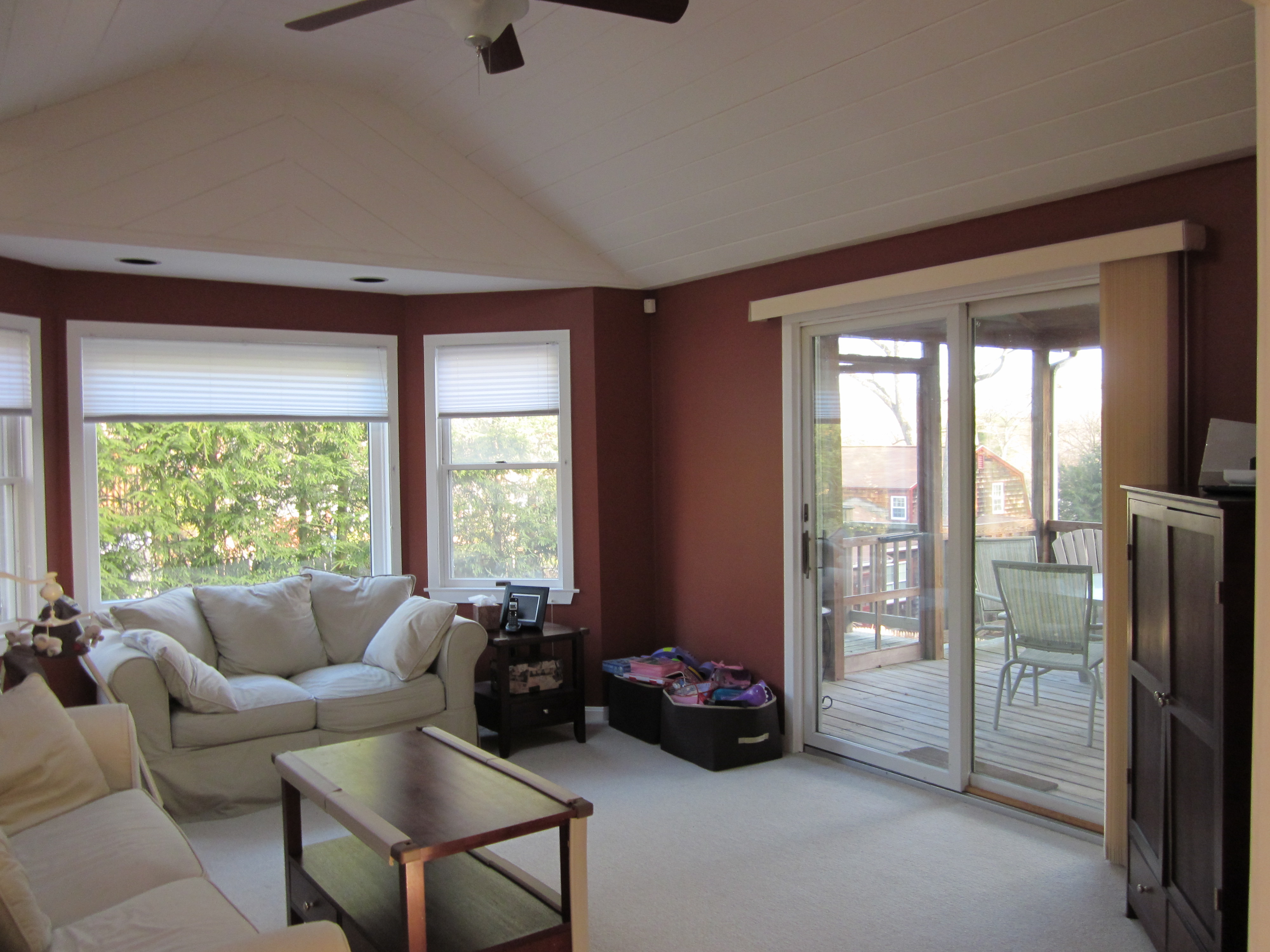 WEDNESDAY: Broker’s Open at 1 Fairbanks in Milford: Check out this very solid house in Milford – 4 beds, 2 baths and SPACE! In a quiet family area but yet close to EMC and 495 this house shows pride of ownership and is a solid value. The added family room creates a nice flow to the floor plan and adds a great space to relax and look out the sliders to the deck (spring is coming – really!). Stop in between 12pm and 2pm to check it out or on Saturday at the Public Open 1pm to 3:30pm. For more information, click HERE
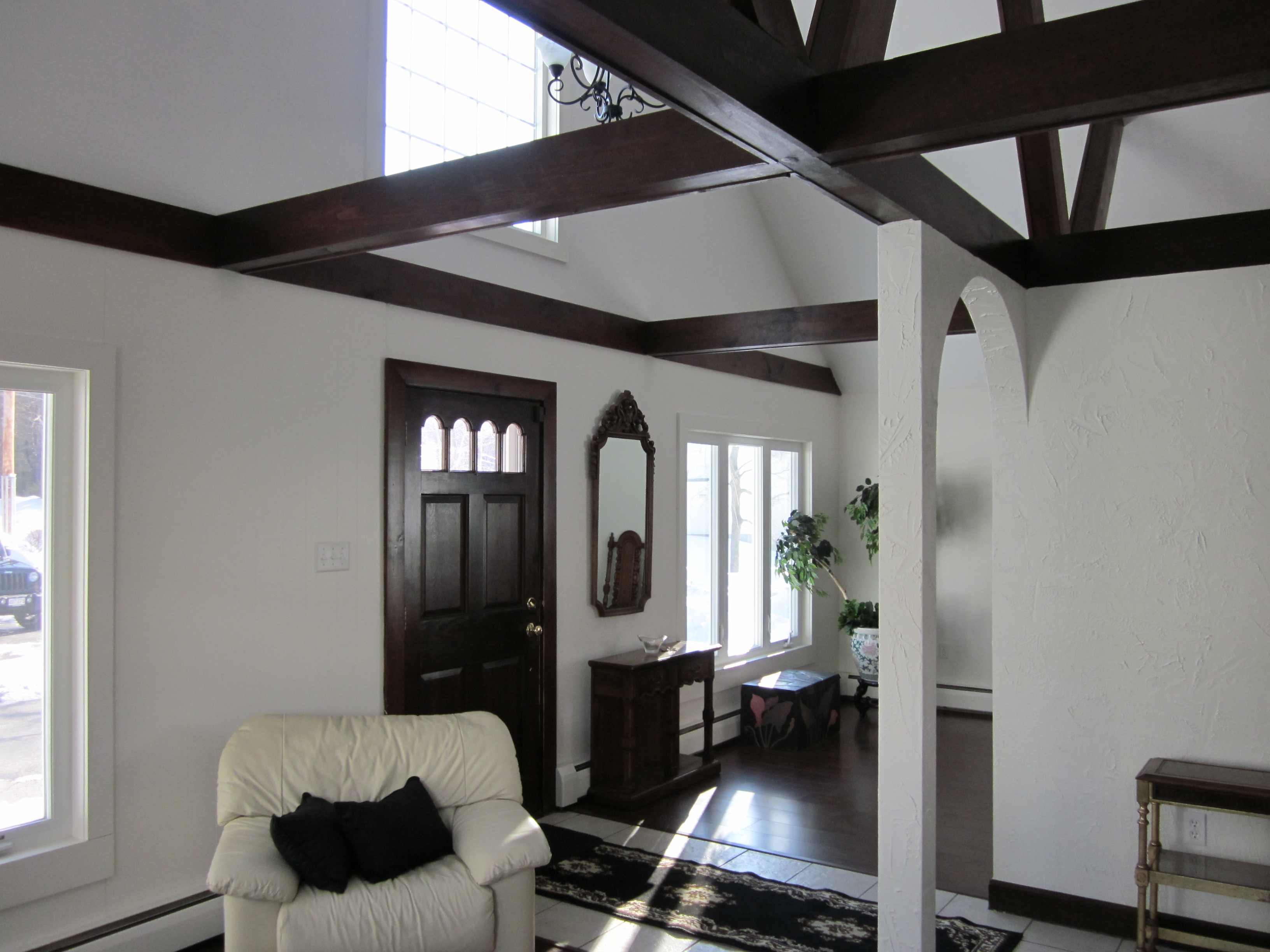 THURSDAY: Broker’s Open TOUR in Shrewsbury: FOUR fantastic homes will be open 12pm to 2pm this Thursday for you to review! My listing at 272 Oak Street is a unique and stylish renovated home that is a must-see to appreciate. 4 bed, 2 bath on a great lot that is commuter friendly with a legal in-law. Seller financing available.
From the old to the new and renovated in-between! Light refreshments at locations.
Public open at 272 Oak Street in Shrewsbury following on Saturday 11:30 to 1pm! For more information on this house, click HERE.
Take a few moments and join me at any one of these events – I’d love to chat with you!

 Real Estate and *stuff *