Real Estate and *stuff *
A real person helping real people with real estate
You can scroll the shelf using ← and → keys
You can scroll the shelf using ← and → keys
 Free seeds and starter plants for your vegetable garden happily live in your refrigerator and pantry. Plant a potato and you’ll harvest a bagful; plant a single horseradish root, and you’ll grow a field of the eye-watering spice.
Theoretically, every fruit or vegetable seed in your kitchen can germinate and deliver baby produce. But some store-bought veggies are hybrids and produce offspring that look nothing like their parents. Others are irradiated to prevent insect infestation, or sprayed with anti-sprouting chemicals to prevent spoilage, which wrecks their ability to go forth and multiply.
Your best bet is to shop for produce in an organic market. Seeds (and tuberous roots) from chemical-free produce yield plants that sprout readily and look like their folks.
Here’s a look at some kitchen leftovers you can plant this spring.
Celery: The next time you chop celery, save the crown (the bottom), place it in a shallow bowl of water until the center leaves turn green and sprout, then transplant it into your garden. Or, just plant the crown straight from crisper into garden, keeping the top of the crown at soil level. Not only is celery a yummy vegetable, it attracts beneficial insects that keep unwanted bugs at bay.
Garlic: Separate cloves and plant the largest ones pointy-side up, under about 2 inches of rich, well-drained soil. Plant garlic around roses to reduce black spot and sooty mold.
Poppies: For a brilliant floral display, shake poppy seeds directly from the container onto well-drained soil. Lightly press into the ground and cover with a dusting of soil. Thin seedlings to about 10 inches apart.
Horseradish: In the fall, plant the tuberous horseradish roots horizontally under 2 inches of soil that’s been well-worked with compost. The plant is invasive and spreads quickly, so plant at the end of garden rows or in areas where they have room to wander. Harvest with a pitchfork in late fall.
Ginger: Select a plump ginger rhizome with many small, growing buds. Plant just under rich soil in a spot with filtered sunlight and wind protection. Avoid planting in low-lying areas, or in spots with poor drainage.
Sesame: These seeds grow into flowering plants that are resistant to heat, drought, and pests. Press seeds 1 inch into well-draining soil. Water lightly for 3-5 days after planting, then as needed. Be sure not to overwater, because sesame plants do not like to sit in wet soil. Harvest in about 150 days after seed pods open and seeds are thoroughly dry.
Beans and peas: It’s easy-peasy to plant any dried bean or pea. Just push the seed under 1-2 inches of loose, rich soil in a location that gets at least 6 hours of sun each day. If your soil is hard clay, grow beans and peas in a container.
Potatoes: If you’ve ever kept a potato too long in a bowl, you’ve seen the plants begin to sprout. Place the potato in a 10-inch-deep hole, and cover with rich soil. As the plant grows, continue to mound soil around its stem. Harvest potatoes in late fall.
Tomatoes: If you love heirloom tomatoes, cut them in half to scrape out their seeds. “Ferment” seeds in a glass jar with about a cup of water for 2-4 days. When a foamy mold appears, rinse and dry seeds on a paper plate. Start tomato plants indoors in containers, then transplant to a garden spot with full sun
 This Koubachi Wi-Fi Plant Sensor tells you what your plants need via your computer or smartphone. All images in this post: Koubachi AG
Healthy houseplants need care: good food, temperate surroundings, and just the right amount of water. But if your houseplants are starving and dehydrated, how are they going to let you know?
They’ll call you up. On the phone.
Okay, they can’t really talk. But they can communicate via the Koubachi Wi-Fi Plant Sensor, a sleek bubble-headed wand you stick in the soil next to one of your houseplants.
The sensor reads temperature, moisture levels, and light intensity to calculate the immediate needs of your plant, and the info is wirelessly piped to your computer and mobile devices. Now, you can keep an eye on Philly the Philodendron, whenever and wherever.
The battery-powered Wi-Fi Plant Sensor becomes “smarter” as time goes on (we should all be so lucky) as it learns the conditions inside your house, and it’ll automatically fine-tune its readings.

The splash-proof indoor model is $120, plus $48 shipping (from England). The waterproof outdoor version is $161, plus shipping. One Wi-Fi Plant Sensor can monitor room conditions and make recommendations for nearby plants (it’s a conference call!), so you don’t need a sensor for each pot.
I haven’t tried the Wi-Fi Plant Sensor, but I know a bunch of indoor plants that are dying for me to get one. Then I’ll be telling people, “I’m sorry, but you’ll have to excuse me — I’ve got to take this call from an anemic spider plant …”
There’s a gap in your home that’s wasting precious energy and inviting cold air inside — do you know where it is?
Have you caulked windows and replaced weather stripping on your doors? Good for you. But if you think you’ve sealed up air leaks, you’re in for a shock.
The biggest air leak in your home is right under your nose.
Or, underfoot, more accurately.
 It’s the hole that a plumber cuts in the subfloor to make room for the drain assembly at the bottom of a bathtub. Because the drain assembly is big, plumbers make way for it by cutting a generous-size hole that gives them some “wiggle room” when connecting plumbing pipes. This big hole often is left open to the space below.
If you have a first-floor bathroom over a crawl space or unheated basement, you likely have one of these giant energy wasters in your home“Having that big hole for the bathtub drain can waste about as much energy as leaving one of your windows open a few inches, all day, every day,” says Allison Bailes III, president of energy consultant firm Energy Vanguard. “The main difference is that you can easily close the window, but most people don’t even know about this other open window.”
And BTW, that hole also is big enough for good-size critters to crawl inside your home!
Plumbers may plug this hole with a wad of loose insulation, but that’s an imperfect solution — fiberglass insulation can sag over time, especially if it gets damp. The preferred method is to insert foam board that’s cut to fit around the pipes, then seal the board in place with spray foam insulation.
You won’t know if you have a problem unless you crawl under your bathroom and take a look at the tub drain assembly from underneath. Patch the hole with pieces of foam board screwed in place, then seal any gaps with spray foam insulation ($8/can).
A plumber will do the job, too, but that’ll set you back $100-$150. Probably worth it when you think about energy savings, comfort, and keeping mice and camel crickets out of your house!
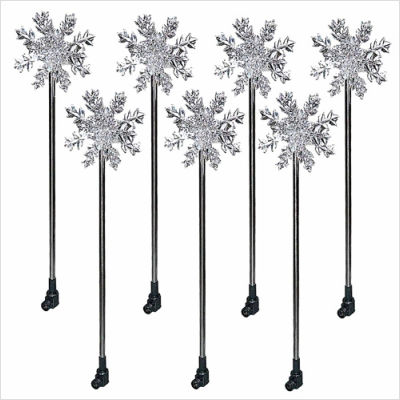 Solar Christmas lights don’t cost anything to operate, but the high purchase price might not add up to savings.
In the last few years, energy-efficient LED Christmas lights have largely replaced more wattage-thirsty incandescent strings, resulting in significant savings — LED lights use 70% less energy than their incandescent predecessors, and they last up to 10 times longer as well.
Now there’s a new kid in the string-light neighborhood: LED solar Christmas lights are appearing at retailers around the country, promising grid-free festive lighting for holiday-happy consumers.
Powering up solar Christmas lights
A string of solar Christmas lights uses a small solar panel for power; there are no extension cords that must be plugged into outlets. The panel — about the size of a hockey puck — powers rechargeable batteries that illuminate a 25- to 100-bulb string of LED lights.
Panels come with small stakes so you can put them in the ground, where they can take advantage of the sun. A fully-charged string of lights should glow for 6 to 8 hours after the sun goes down.
Solar lights vs. LED plug-in costs
Most consumers expect new technologies to cost more, but if saving energy and money is your main reason for considering solar-powered LED holiday lights, solar lights may not offer enough cost-saving to offset the higher initial purchase price.
Compare purchase prices:
Compare costs to operate:
Do the math, and you’ll see that it’ll take about 45 years for the energy savings from solar-power to equal the difference in purchase price between a plug-in string and a solar-powered string.
Advantages of solar lights
Disadvantages
 Real Estate and *stuff *