Real Estate and *stuff *
A real person helping real people with real estate
You can scroll the shelf using ← and → keys
You can scroll the shelf using ← and → keys
Leslie Houssan is a Pampered Chef extraordinaire in Worcester County. She is up to date on the latest and greatest for all things in your kitchen! Give Leslie a call and she’ll fill you in. You can reach her at 774-276-0205, ljhpchef@yahoo.com or http://www.pamperedchef.biz/4lesliehoussan.
Here is a sample of what she can share with you:
“Greasy, expensive takeout food will be a thing of the past when you invest in these kitchen workhorses! Prepare easy, delicious recipes at only $2 a serving* your family will love.”
Reaching out to see if we can get this done! 🙂
I have a landlord client in Worcester that is cleaning up after some tenants who just moved out. It was been discovered that they left behind a one year old male, unfixed, cat. He is very friendly and scared. Currently dining on peanut butter and cornflakes. We have called many shelters and they are full.
Transportation can be arranged and the landlord will put in a $25 gift card to Pet Smart for the person who will give the cat a home. No charge for the cat. Can you help?

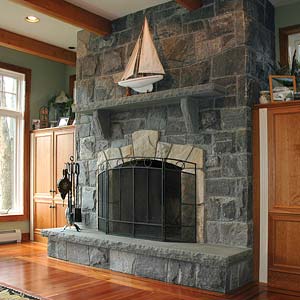 Everyone loves a fireplace…especially as we start the winter season here in New England but there is cost. Luckily there is still a tax credit too! Installing a wood-burning, gas-burning, gel-fuel, or electric fireplace to your house costs $400 to $10,000, depending on the type of fireplace you select.
If your budget is really tight, a free-standing gel-fuel or electric fireplace eliminates installation costs. But be aware that some bare-bones alternatives don’t completely succeed in mimicking a real wood fire.
Check local building codes for possible restrictions on the types of fireplaces that can be installed in your area.
Costs of a wood-burning fireplace
An open-hearth, wood-burning fireplace—like the ones you see in mountain resort hotels—requires the help of a skilled, professional mason and a budget approaching (and often exceeding) $10,000.
For an existing home, considerable renovation work is required, including a foundation to carry the weight of the firebox and chimney, and the cost of the chimney itself.
Expect to pay $7,000 to $10,000 or more.
Costs of a gas-burning fireplace
A fireplace unit that burns natural gas or propane runs about $2,000 for the basic materials package. Installation and finishing typically add $2,500.
Your least-expensive option
A gel-fuel fireplace or an electric fireplace starts under $400. With a portable unit, that’s the total cost since the fireplace is ready to use once you remove the packaging.
Because there’s no flue or chimney, it’s easy to install TVs or other electronic gear directly above an electric fireplace. If you include a mantle package, expect to pay $800 to $1,600. One perk available: sound effects that mimic the crackle and pop of a real fire.
Ongoing costs
Estimate your energy costs by using a fuel cost comparison calculator. Gel fuel, not included in the calculator, costs $3 per 13-ounce can, enough for three hours.
For a wood-burning fireplace, figure on $100 to $200 a year for chimney cleaning. Gas fireplaces need an annual service check ($100 to $150) plus a chimney inspection. Gel-fuel and electric fireplaces don’t need regular maintenance.
Tax credits for fireplace inserts
Through Dec. 31, 2011, you may qualify for a federal tax credit for up to $300 in costs, if you install a biomass (wood- or pellet-burning) fireplace insert that’s at least 75% fuel-efficient.
 Amazing short sale buying opportunity on the north side of Framingham with a $15k price drop today!
This is a great location with top shelf renovations *mostly* done. Check out the pictures and the video and then let me know when you want to see it in person.
The hand tiled master bath is a great picture to look at…don’t pass by the inlay tile in the master bedroom either 🙂
This is interesting…FHA is looking to help unemployed home owners with a new forbearance program. If you know someone in this situation please reach out to them with this information – it could be very helpful to them. I can also send you a PDF copy of this.

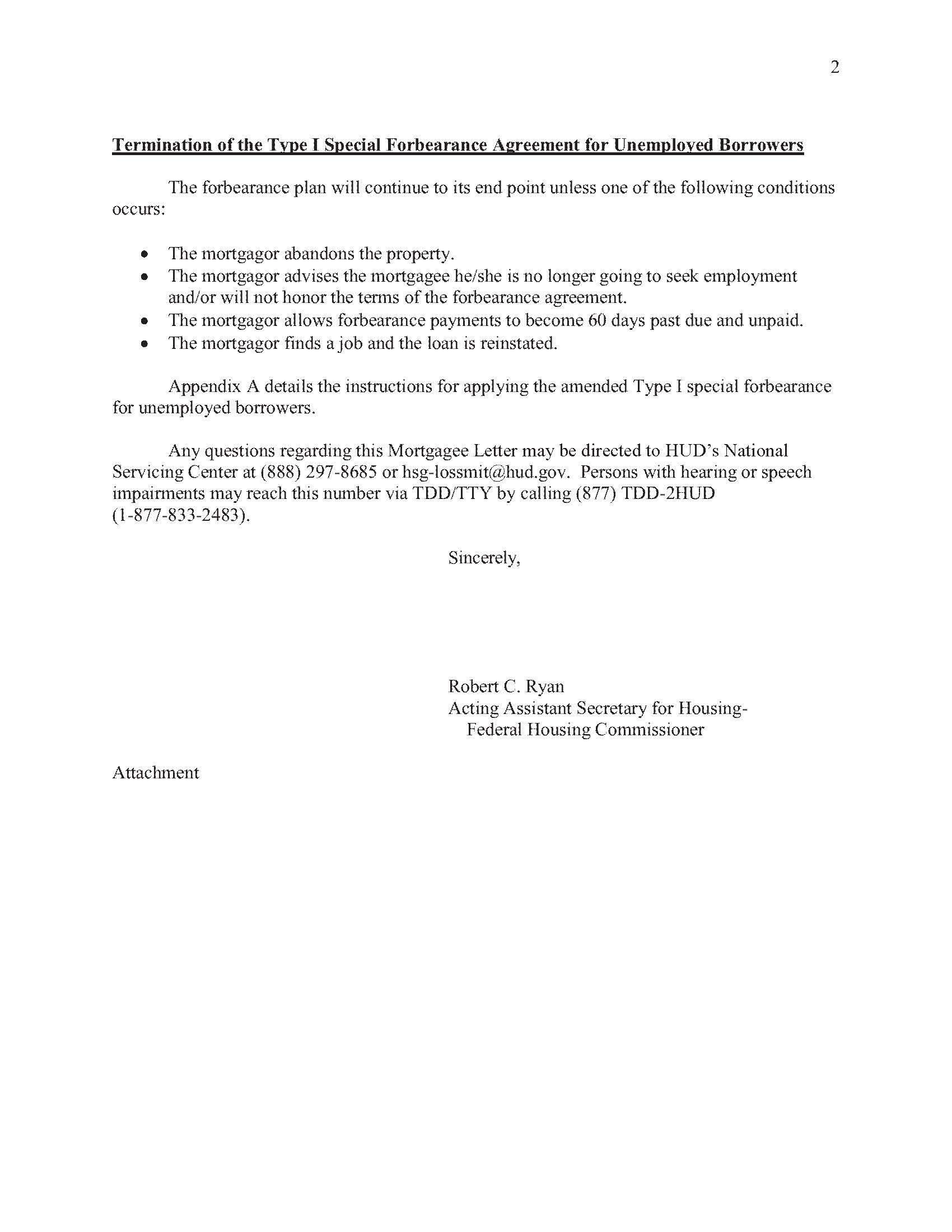
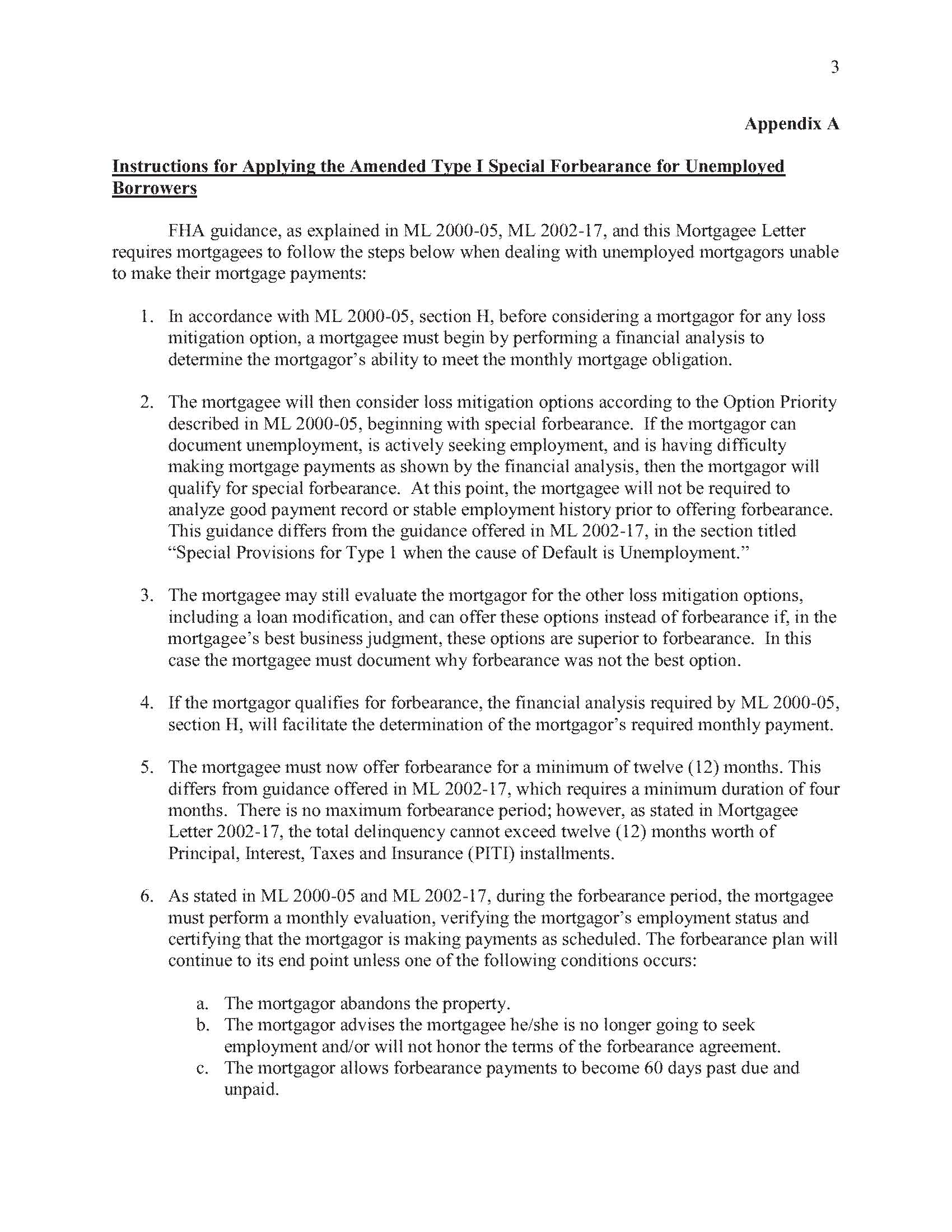

 If you have tried every avenue and are still in a foreclosure situation, come out of it the best way you can. Make sure that you have the right team in place to minimize your loses and help pave the way for your future. It doesn’t benefit you to “just let it happen” – take control and make it work for you. That starts with knowing which experts provide foreclosure help–often at no cost to you–and how to find them.
Your first step to get foreclosure help should be contacting a foreclosure counseling agency approved by the U.S. Department of Housing and Urban Development.
“A foreclosure counselor should help you evaluate your current financial situation by looking at your bank statements, tax returns, and monthly expenses and income,” says Kimberly Allman, manager of homeownership preservation at the New York Mortgage Coalition in New York City. A foreclosure counselor also can help you understand the programs available through banks and government agencies and serve as an advocate to help you communicate with your bank.
And don’t worry about money–foreclosure counselors provide foreclosure help for free. Find one at NeighborWorks America or by calling HUD’s foreclosure counseling hotline at 800-569-4287 or its foreclosure prevention hotline at 888-995-HOPE (4673).
A REALTOR® can help you find out if a short sale, rather than a foreclosure, is the right path for you. Use this pro to discover if you can sell your house, how quickly, and at what price. In most cases a short sale is possible! RE/MAX Professional Associates has a short sale team that is ready to move on your home because time is of the essence in this situation. The sooner you get us started on this – the sooner you are in a more comfortable situation with less stress (and less phone calls from creditors).
If a short sale seems right for you, make sure your agent is experienced with these. If not, ask for a recommendation for one who is. Short sales are tough to navigate, and they’re further complicated by your loan type–FHA vs. Veterans Administration vs. conventional loans. Real estate agents who specialize in short sales will know the proper steps and order of the steps involved. They’ll also be able to navigate the many parties involved in the process and over-burdened loss mitigation departments.
Look especially for agents who have the Short Sales and Foreclosure Resource (SFR) Certification, which requires specialized training.
You’ll need a tax expert for foreclosure help if you do a short sale or deed in lieu of foreclosure. Consult with a qualified tax adviser since forgiven debt may be taxable income, says Nancy Polomis, chair of the real estate development department at the law firm of Hellmuth & Johnson in Eden Prairie, Minn. You’ll face myriad other foreclosure-related tax issues as well, which require professional advice.
Tax advisers’ hourly rates range from $150 to $250, depending on where you live. A good choice is a certified public accountant. Check with your local CPA society to see if its members offer free advice at volunteer events like those sponsored by the Illinois CPA Society. Find a list of state CPA associations at TaxSites.
Another qualified tax adviser is an enrolled agent. EAs, like CPAs, are licensed to represent clients at an IRS hearing. Find an EA at the National Association of Enrolled Agents.
If you’re having trouble getting a loan modification, a credit counselor can give you some foreclosure help. According to the National Foundation for Credit Counseling, a counselor can advise you on managing your money and help you develop a plan to help you avoid future financial difficulties. “Often people need credit counseling because the one thing that’s holding them back from getting an affordable loan modification is high credit card payments,” says Allman. Even if foreclosure is inevitable, credit score repair can help you get back into a home sooner.
Allman often refers foreclosure clients to the nonprofit Greenpath Debt Solutions, which operates in many states. You can find a list of government-approved credit counselors from the U.S. Trustee Program.
Once your lender has filed a foreclosure lawsuit, contact an attorney. A lawyer can review the lender’s foreclosure papers to determine if it actually owns your mortgage or whether your loan servicer has made mistakes in applying your payments or assessing fees, says Lisa A. Magill, an attorney at Becker & Poliakoff in Fort Lauderdale, Fla.
You may be able to avoid foreclosure, or even a short sale, if you just have more time to sell your home, acquire secondary financing, or get a new job. For example, a lawyer can usually make arrangements with the lender to give you more time by filing responses and motions in the lawsuit, says Magill.
Also consider consulting a bankruptcy attorney, who can help you discover whether bankruptcy is a viable option for avoiding foreclosure, says Polomis.
Lawyers charge $150 to $300 per hour or a flat fee of $1,000 to $2,500 to defend a foreclosure action or file a bankruptcy petition. Contact your local legal aid office, such as the Mid-Minnesota Legal Assistance, or your local bar association, like the Florida Bar, for a list of agencies that offer free legal representation. A list of state resources may be found at the National Legal Aid and Defender Association.
Before making your decision to short sale or foreclose – give me a call. We can work through this together and find the right course of action for you. Not every person and situation is the same and I’m ready to find out what is going to the best for you.
 Foreclosure may seem like someone else’s problem, but when it happens in your neighborhood, it’s going to cost you money, too.
Each foreclosure within 660 feet (1/8th mile) of your house can drop your home’s value by a factor of almost 0.75%, according to the Center for Responsible Lending, a consumer watchdog group.
The closer a foreclosure is to your house, the bigger the impact. A university of Connecticut study suggests one foreclosure within 300 feet of your home will lower your property value by 1%.
If you live in a neighborhood with few vacant homes and a foreclosure occurs within 250 feet, a University of California, Berkeley study suggests you could lose 2.2% of your home value.
Some people think the homeowners facing foreclosure got themselves into trouble because they bought more house than they could afford with toxic mortgages for which they never should have been approved. At least one study of the 2007 and 2008 foreclosure crisis suggests that was indeed the case.
Even if you don’t feel compassion for those facing foreclosure, you might feel sorry for yourself. Homebuyers and mortgage lenders use foreclosures as comparable properties to value your home when you sell or refinance. And the discount at which foreclosures sell is a hefty 27% on average.
Although most appraisers adjust the value of your home upward compared with a foreclosure, a homebuyer may consider the foreclosure equally valuable to your home and base his offer on that instead of your property’s real worth. If that happens, your real estate agent can argue that non-distress sale comparables and better condition make your property worth more.
Drops in property values brought on by foreclosures don’t just hurt your property value; they also cut away at the whole property tax base, the source of revenue for local government. Elected officials then have to either charge you higher taxes or cut services to make up for the shortfall.
To limit foreclosure damage in your community, ask local officials to pass laws forcing lenders to maintain the properties they now own and to pay the taxes and homeowners association dues on them.
If the town isn’t forcing lenders to maintain a foreclosure in your neighborhood, organize a volunteer effort to cut and trim the shrubs at vacant houses on a round-robin basis, and report vandals or squatters to the police. A well-kept foreclosed home will attract more buyers than one with a weed-filled yard. Take trespassing laws into account as you organize your effort.
If you’re selling or refinancing and the appraiser uses foreclosures as comparable sales to determine the value of your property, ask your real estate agent to make sure the appraiser accounts for the distressed nature of those sales and the condition of the properties as they compare to yours. Ask your agent to seek out other comparable sales the appraiser might have missed, which show your home in a much better light.
Use this handy guide to figure out how quickly you can buy a home after a major financial setback when applying for a loan through FHA, Fannie Mae, or Freddie Mac.
The chart below outlines the criteria that government entities FHA, Fannie Mae, and Freddie Mac follow for major credit-busting events, including foreclosure. Although FHA, Fannie Mae, and Freddie Mac aren’t direct lenders, they wield a lot of behind-the-scenes influence by working with banks to guarantee loans and help lenders free up capital to provide more mortgages.
One of these entities may have made your loan possible without you even knowing it. Although for the most part banks make loans to whomever they want, they’ll likely find themselves following FHA, Fannie Mae, or Freddie Mac guidelines at a minimum in order to keep working with these useful partners.
Some lenders may have more stringent policies and others, willing to take greater risks, may work outside these entities and offer more liberal lending policies.
This chart offers summaries of what can be complex rules and regulations. So:
1. Look to professionals, such as a bankruptcy lawyer and a CPA specializing in bankruptcy provisions, before making major financial decisions.
2. For HUD-approved counselors, go to http://www.hud.gov/offices/hsg/sfh/hcc/fc/index.cfm. You can also call 1-888-995-HOPE for help from the Homeownership Preservation Foundation.
3. Understand what “extenuating circumstances” means in each case:
FHA: An event that was out of the borrower’s control that made a significant impact on the borrower’s finances and led to bankruptcy or foreclosure.
Fannie Mae: A nonrecurring event that’s beyond the borrower’s control that results in a sudden, significant, and prolonged reduction in income or a catastrophic increase in financial obligations.
Freddie Mac: A nonrecurring or isolated circumstance, or set of circumstances, that was beyond the borrower’s control and that significantly reduced income and/or increased expenses and rendered the borrower unable to repay obligations as agreed, resulting in significant adverse or derogatory credit information.
| FHA | Fannie Mae | Freddie Mac | |
| Foreclosure | •3-year wait. •Reduced wait if borrower has re-established good credit and can show extenuating circumstances. |
•7-year wait from the completed foreclosure sale date. •3-year wait if borrower can show extenuating circumstances (additional underwriting requirements apply for 4 years after 3-year waiting period). •7-year wait for a second home, investment opportunity, or cash-out refinancing. |
•5-year wait from the completed foreclosure sale date. •3-year wait if borrower can show extenuating circumstances. |
| Short Sale | •No wait if not in default. •3-year wait if in default at closing of short sale. •Reduced wait if borrower has re-established good credit and can show extenuating circumstances. |
•2-year wait if the borrower puts 20% or more down. •4-year wait if the borrower puts 10-20% down. •7-year wait if the borrower puts less than 10% down. •2-year wait time if borrower can show extenuating circumstances and puts 10% or more down. |
•4-year wait. •2-year wait if borrower can show extenuating circumstances. |
| Deed in lieu of foreclosure | •Same as FHA’s foreclosure policy. | •Same as Fannie’s short sale policy. | •Same as Freddie’s short sale policy. |
| Bankruptcy | Chapter 7 (liquidation): •2-year wait from the discharge date of the bankruptcy. •1-2 year wait if borrower can show extenuating circumstances. Chapter 13 (repayment plan): |
Chapter 7 or Chapter 11 (reorganization, usually involving corporations or partnerships): •4-year wait from the discharge or dismissal date of the bankruptcy. •2-year wait from the discharge or dismissal date may be accepted if borrower can show extenuating circumstances. Chapter 13: Multiple bankruptcies: |
Chapter 7 or Chapter 11: •Same as Fannie’s bankruptcy policy. Chapter 13: Multiple bankruptcies: |
Source: FHA Handbook, Fannie Mae Selling Guide, Freddie Mac Selling Guide
Please note that in most cases a short Sale is better than a foreclosure. If you or someone you know (a friend or family member) is currently faced with this situation, urge them to find out what their options are. RE/MAX Professional Associates has a short sale team that is ready to review their situation and help. Call (508-784-0504) or email me (amymullen@remax.net) to find out more information.
 Real Estate and *stuff *