Real Estate and *stuff *
A real person helping real people with real estate
You can scroll the shelf using ← and → keys
You can scroll the shelf using ← and → keys
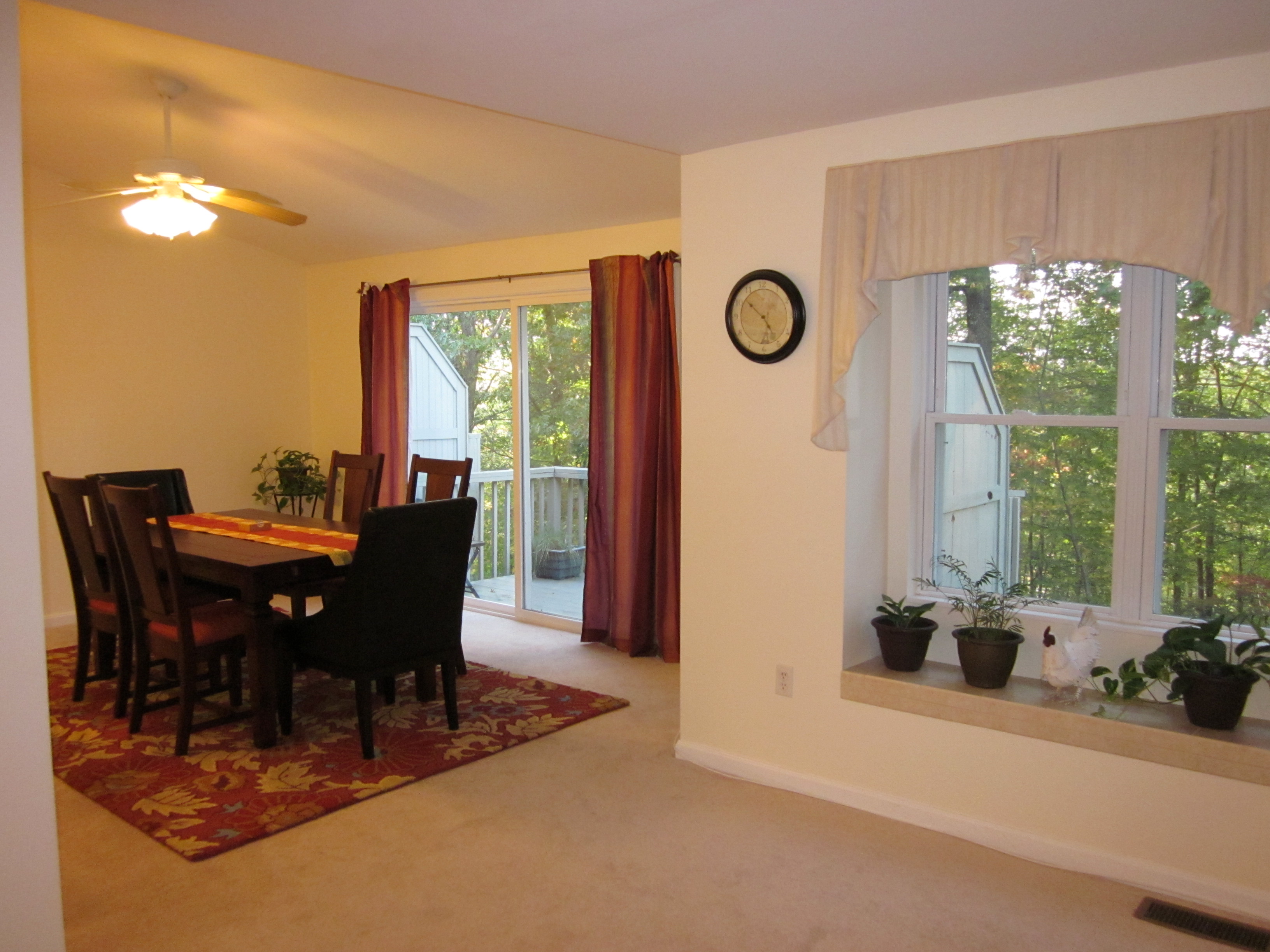
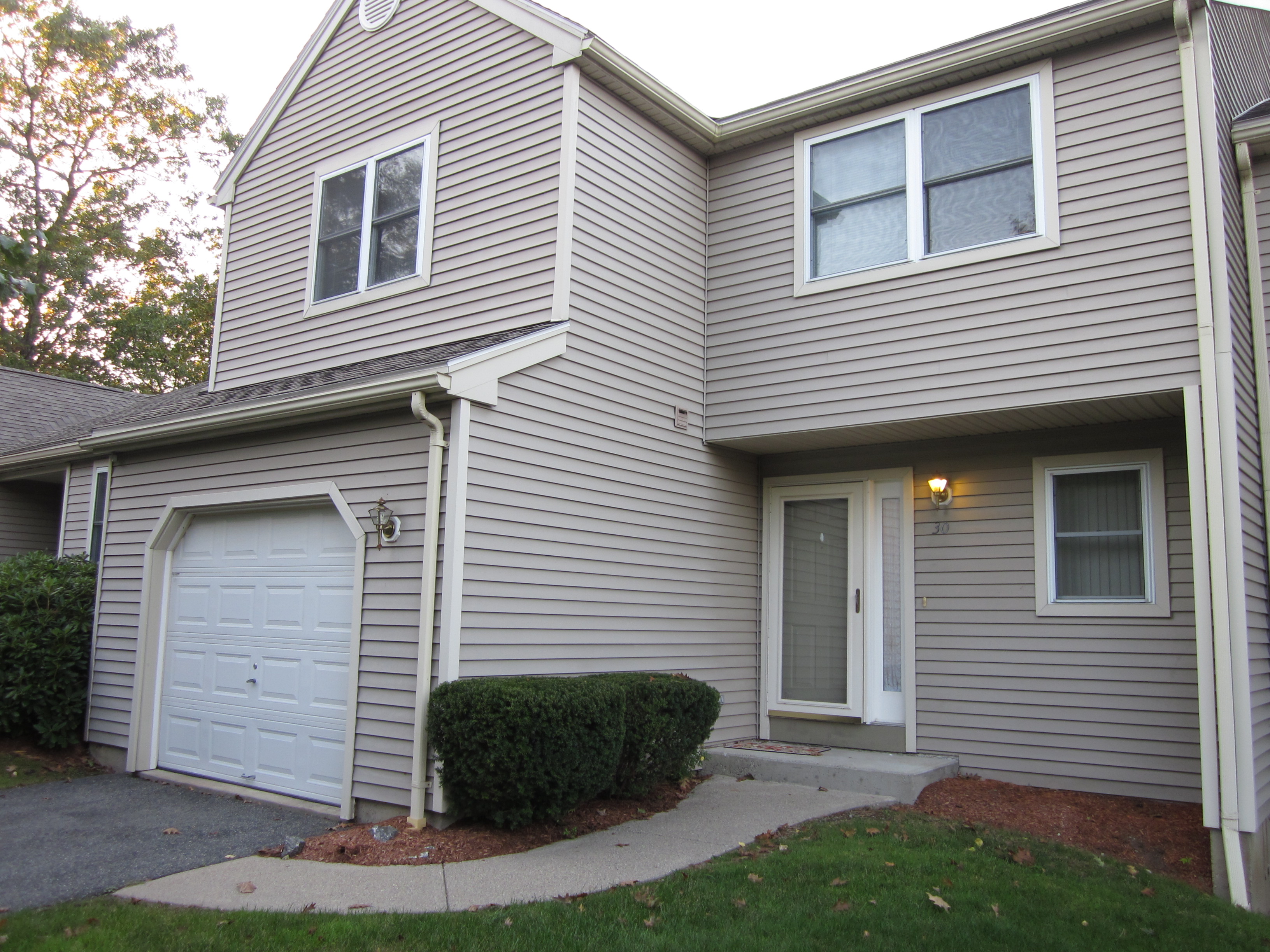 THREE LIVING LEVELS! Newer townhouse in an excellent commuter location with LOW hoa fees is READY TO GO! We’ve held off showings this week until the open house on Sunday (1pm to 2:30) so that everyone has a chance to get in and see this.
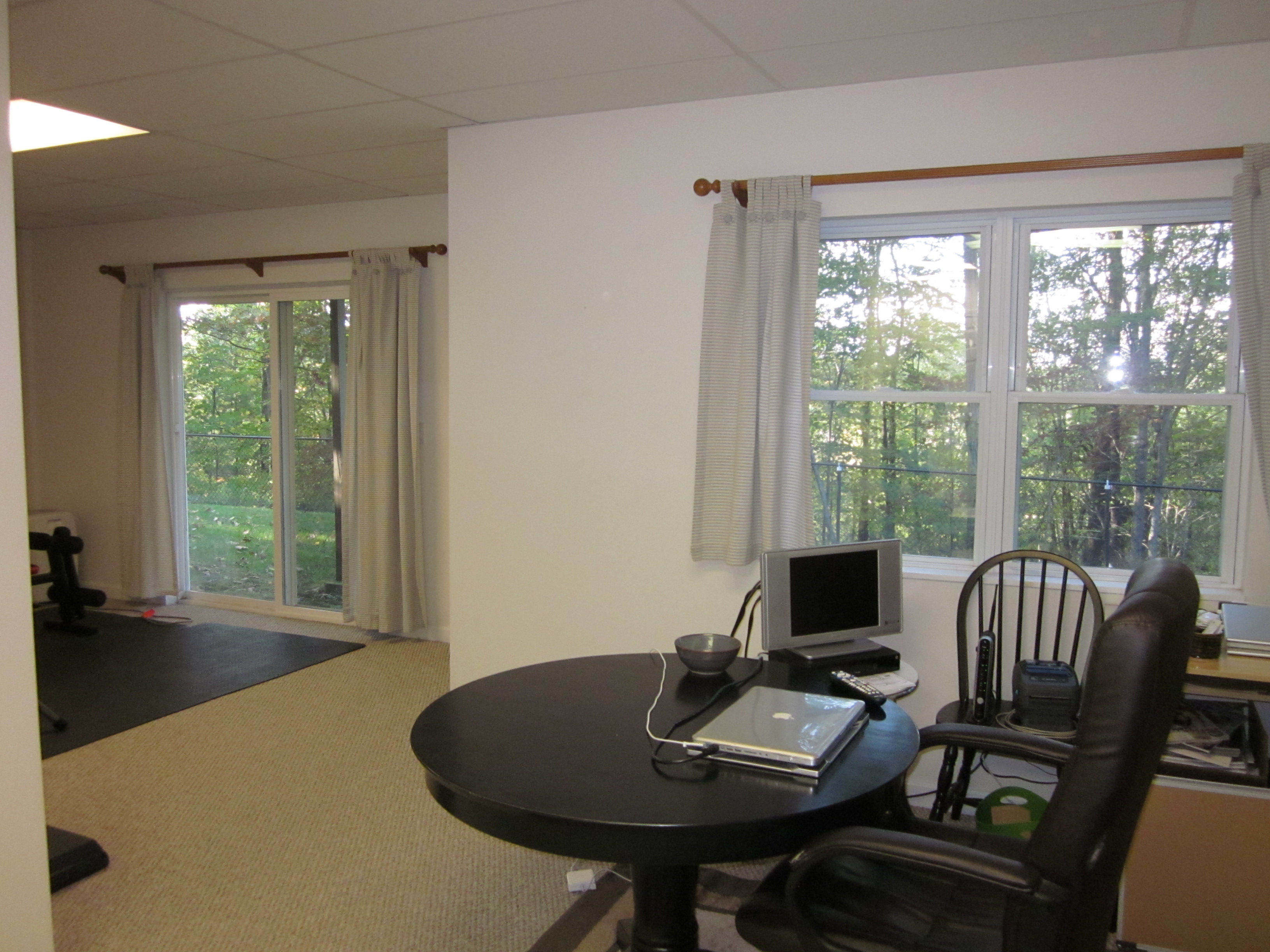
This townhouse features a garage, oversized bedrooms, 2nd floor laundry, tons of natural light, finished walk out basement, all upgraded carpeting, huge closets, master bath and pets are allowed! Stop in and see 30 John Drive in North Grafton this Sunday – you won’t be disappointed!

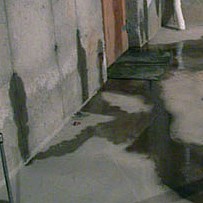 It’s raining so I couldn’t resist this blog. Solving wet-basement problems is one of the most important things you can do to protect the value of your home and health of your family. Additionally, a dry basement is a huge plus to home buyers if your house is on the market now or if you are considering selling. A finished basement is an even bigger plus!
Some wet basements are easy to cure simply by clearing gutters and by diverting gutter water away from the foundation. But if the problem comes from other sources—water flowing toward the house on the surface, seeping in from underground, or backing up through municipal storm drains—you must take more aggressive action.
Here are eight strategies to keep water out of your basement.
If downspouts are dumping water less than 5 feet away from your house, you can guide water farther out by adding plastic or metal gutter extensions.
But extensions aren’t the neatest or most effective long-term solution, especially if you’re likely to trip over them or run over them with a lawn mower. Permanent, underground drain pipe is invisible and capable of moving large quantities of gutter runoff much farther from your house.
For about $10 a foot, a landscaper or waterproofing contractor will dig a sloping trench and install pipe to carry the water safely away.
If you see water dribbling into the basement through cracks or gaps around plumbing pipes, you can plug the openings yourself with hydraulic cement or polyurethane caulk for less than $20.
Plugs work when the problem is simply a hole that water oozes through, either from surface runoff or from wet soil. But if the water is coming up through the floor, or at the joint where floor and walls meet, the problem is groundwater, and plugs won’t do the trick.
If the gutters are working and you’ve plugged obvious holes, but water still dribbles into your basement or crawl space from high on foundation walls, then surface water isn’t draining away from the house as it should.
Your house should sit on a “crown” of soil that slopes at least 6 inches over the first 10 feet in all directions.
Over time, the soil around the foundation settles. You can build it back with a shovel and dirt. One cubic yard of a water-shedding clay-loam mix from a landscape supply house costs around $30 (plus delivery) and is enough for a 2-foot-wide, 3-inch-deep layer along 57 feet of foundation.
Since your home’s siding slightly overlaps its foundation, building up the crown could bring soil–and rot and termites–too close to siding for comfort: 6 inches is the minimum safe distance. In that case, create a berm (a mound of dirt) or a swale (a wide, shallow ditch), landscape features that redirect water long before it reaches your house.
In small areas, berms are easy; a landscape contractor can build one for a few hundred dollars. On bigger projects, berms make less sense because you’ll have to truck in too much soil. In that case, dig a swale (about $1,000). Once landscaping grows in, berms and swales can be attractive features in your yard.
If water is leaking into your basement low on the walls or at the seams where walls meet the floor, your problem is hydrostatic pressure pushing water up from the ground.
First, check whether you have footing drains, underground pipes installed when the house was built to carry water away from the foundation. (Look for a manhole or drain in the basement floor or a cleanout pipe capped a few inches above the floor.)
If the drains are clogged, open the cleanout and flush the pipes with a garden hose. If that doesn’t work, a plumber with an augur can do the job for about $600.
If you don’t have working footing drains, install a curtain drain to divert water that’s traveling underground toward your house.
A type of French drain, a curtain drain is a shallow trench–2 feet deep and 1.5 feet across–filled with gravel and perforated piping that intercepts water uphill of your house and carries it down the slope a safe distance away.
If the drain passes through an area with trees or shrubs, consider switching to solid pipe to reduce the risk of roots growing into the piping and clogging it. Cost: $10 to $16 per linear foot.
If you can’t keep subsurface water out, you’ll have to channel it from the inside.
To create an interior drain system, saw a channel around the perimeter of the floor, chip out the concrete, and lay perforated pipe in the hole. The pipe drains to a collection tank at the basement’s low spot, where a sump pump shoots it out the house.
Starting at about $3,000, an interior system is the best and least disruptive option in an unfinished basement with easy access. It’s also a good choice if your yard is filled with mature landscaping that digging an exterior drainage system would destroy.
Installing an interior drainage system gets the water out but doesn’t waterproof the walls. For that, you need an exterior system: a French drain to relieve hydrostatic pressure and exterior waterproofing to protect the foundation.
It’s a big job that requires excavating around the house, but it may be the best solution if you have a foundation with numerous gaps. It also keeps the mess and water outside, which may be the best choice if you don’t want to tear up a finished basement.
The downside, besides a price tag that can reach $20,000, is that your yard takes a beating, and you may need to remove decks or walkways.
I have done several of these in order to obtain a “mostly” dry basement. I am very happy I did!
If you need to house aging parents or adult children, or if your family is multi-generational, what’s better — an in-law suite or a little granny cottage in the back yard?
Our data says you’ll spend less remodeling the basement or adding an in-law suite to your attic. But a USA Today feature suggests you consider building a small house or cottage in the back yard.
For instance, the article notes that in Vancouver, detached cottages or “laneway houses” have become popular: “[Architect James Tuer] … designed several, including one that cost $200,000 and rents for about $1,600 monthly. He says the owners have aging parents who may live there, or they may use it themselves at some point and rent out their main house.”
A Seattle builder is also building backyard cottages in the neighborhood of 800 square feet and at a cost of about $125,000.
Building a second house on your property means a trip through the zoning process versus the much simpler permit process you follow when you remodel existing square footage.
And if you don’t live in a trend-setting metropolis, zoning rules will likely keep you from building a second house on your lot unless you physically attach it to your existing house and put a family member in it rather than a renter. If that’s the case for you, maybe grandpa or the kids can make do with an apartment in the space over the garage.
I currently have seven houses listed that can accommodate an in-law or multi-generational family. If this is what you need, just let me know. They are in a variety of areas so we have choices! With some vision, these houses can solve your family situation.
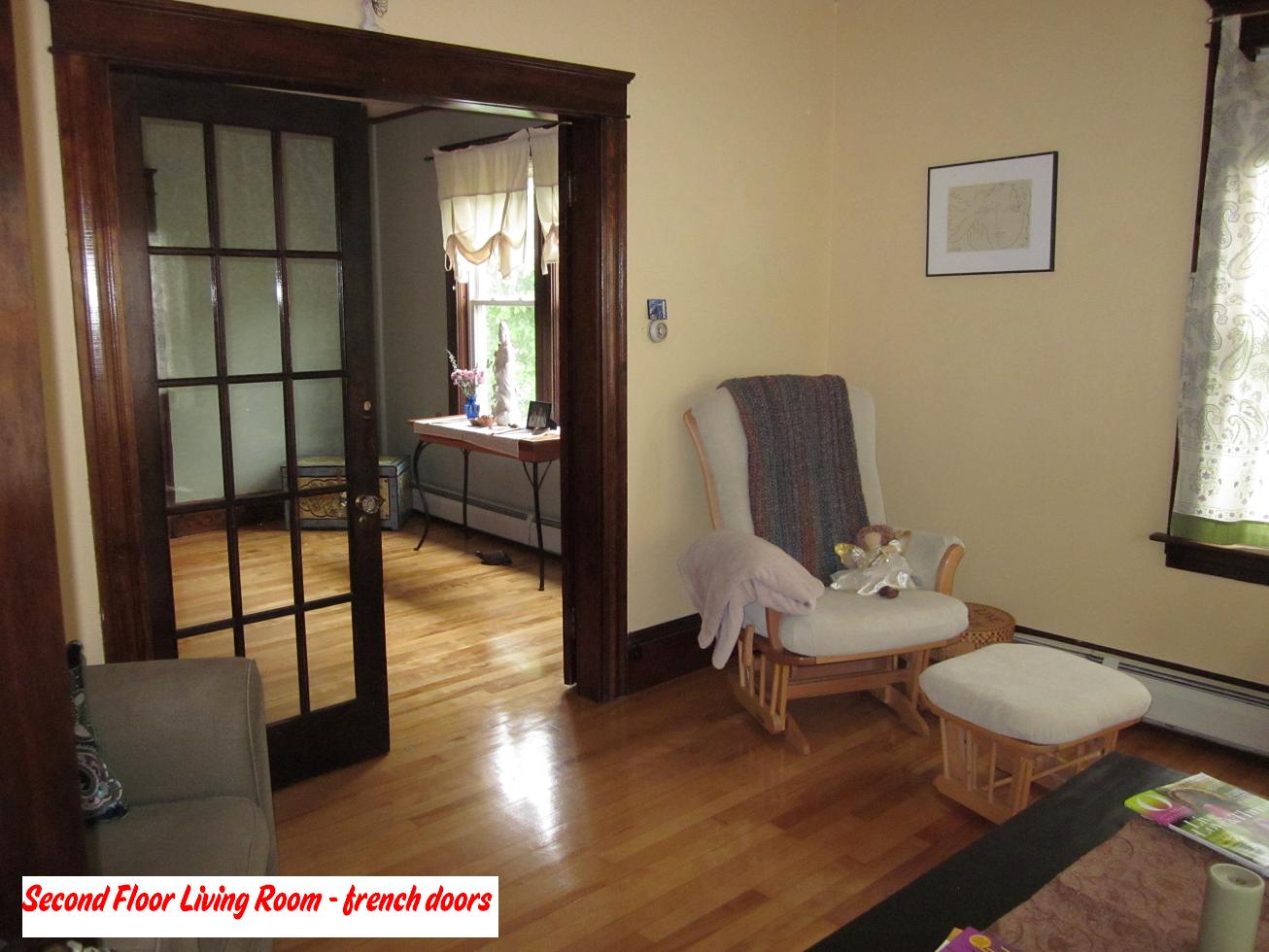 36 Norman Street in Clinton (legal two family – could be a one family – open today 11:30 to 1pm) needs nothing to move in and accommodate a multi-generational family. Currently has a month to month tenant in the second floor (instant income). Third floor used to be living space also and the basement is full high ceiling with solid wall, half bath and dry.
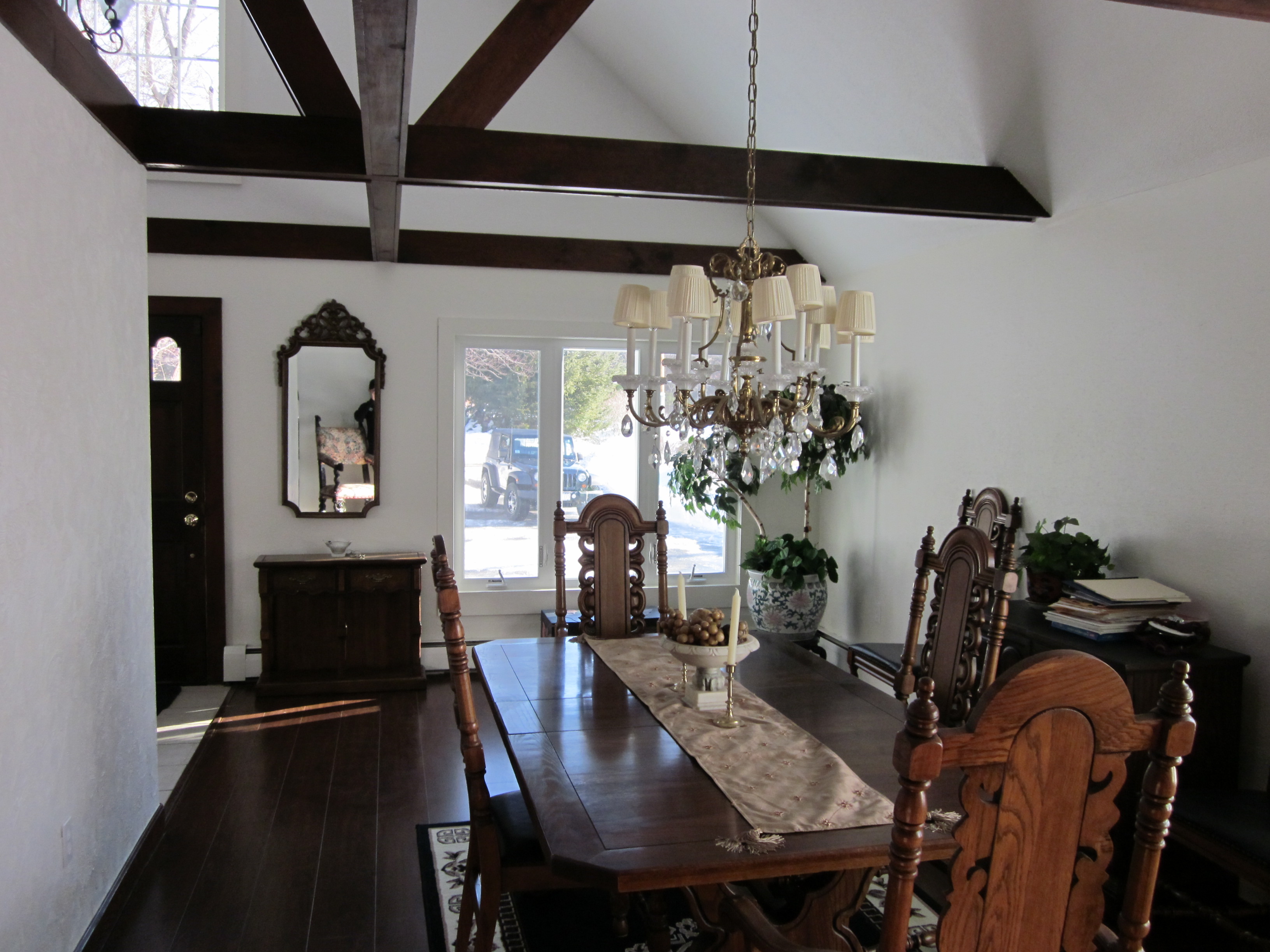 272 Oak Street in Shrewsbury (one family with a spacious legal in-law apartment) beautifully unique home with new heating system, roof and siding. Needs nothing to move in and accommodate a multi-generational family or extra income. Seller financing available.
 12 Cottage Street in Ware (renovated Victorian) very large one family house with 2 story barn that would make a fantastic remodeling project to accommodate a second home on the property. Barn currently has electricity to it. But you could also renovate the interior of the house into a multi-family situation. House has two full baths (one on each floor) already plus some great space on the third floor. This house is only limited by its next owners imagination.
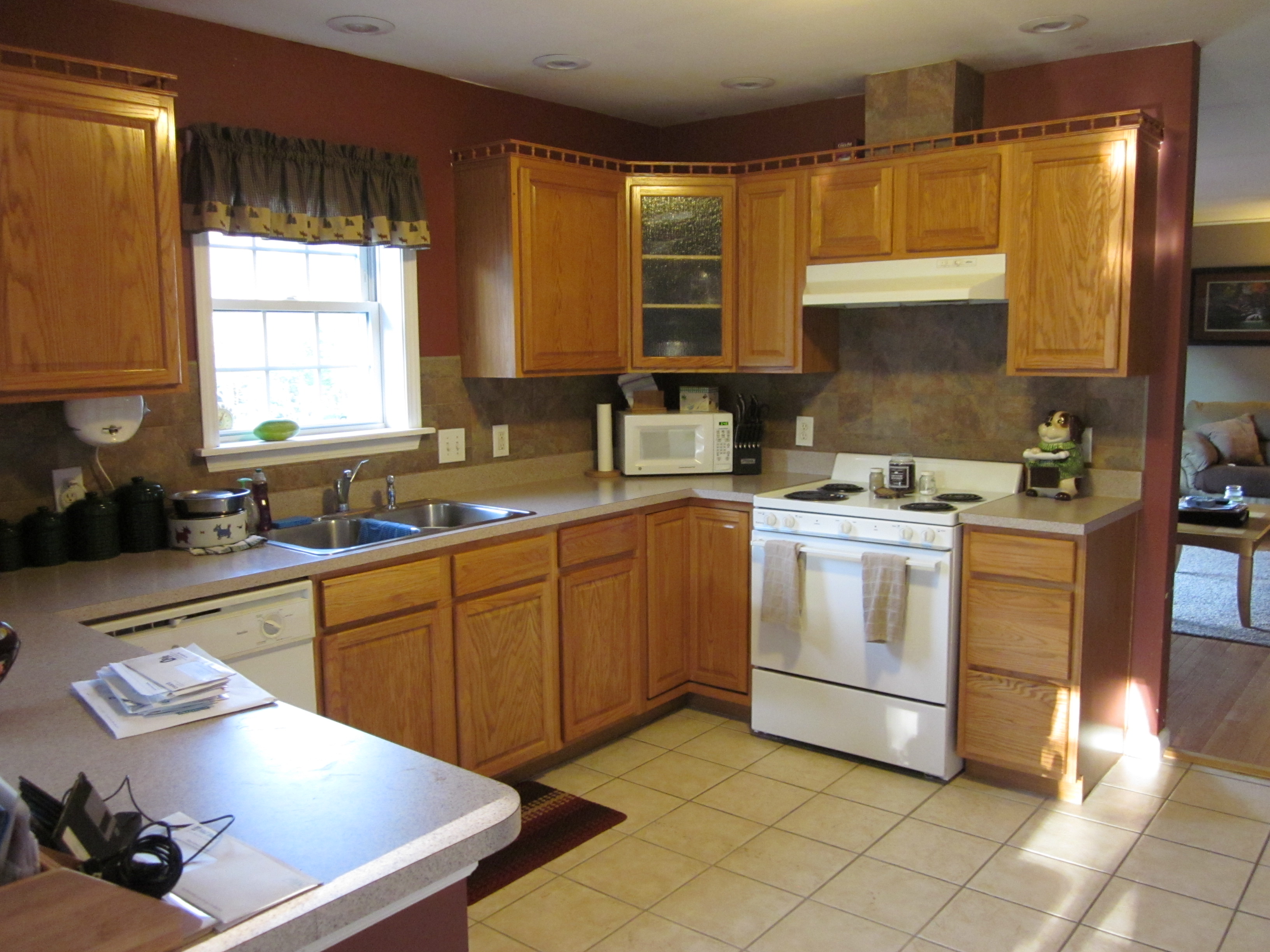 82 Saundersdale Rd in Charlton – newer single family that has already been converted into a two family with a 3 car garage. First floor has one bedroom, walk in shower and laundry with huge living space. Second floor has 3 beds, 2 baths and laundry with a double pantry kitchen. Great space for the family that wants to stay together but independently.
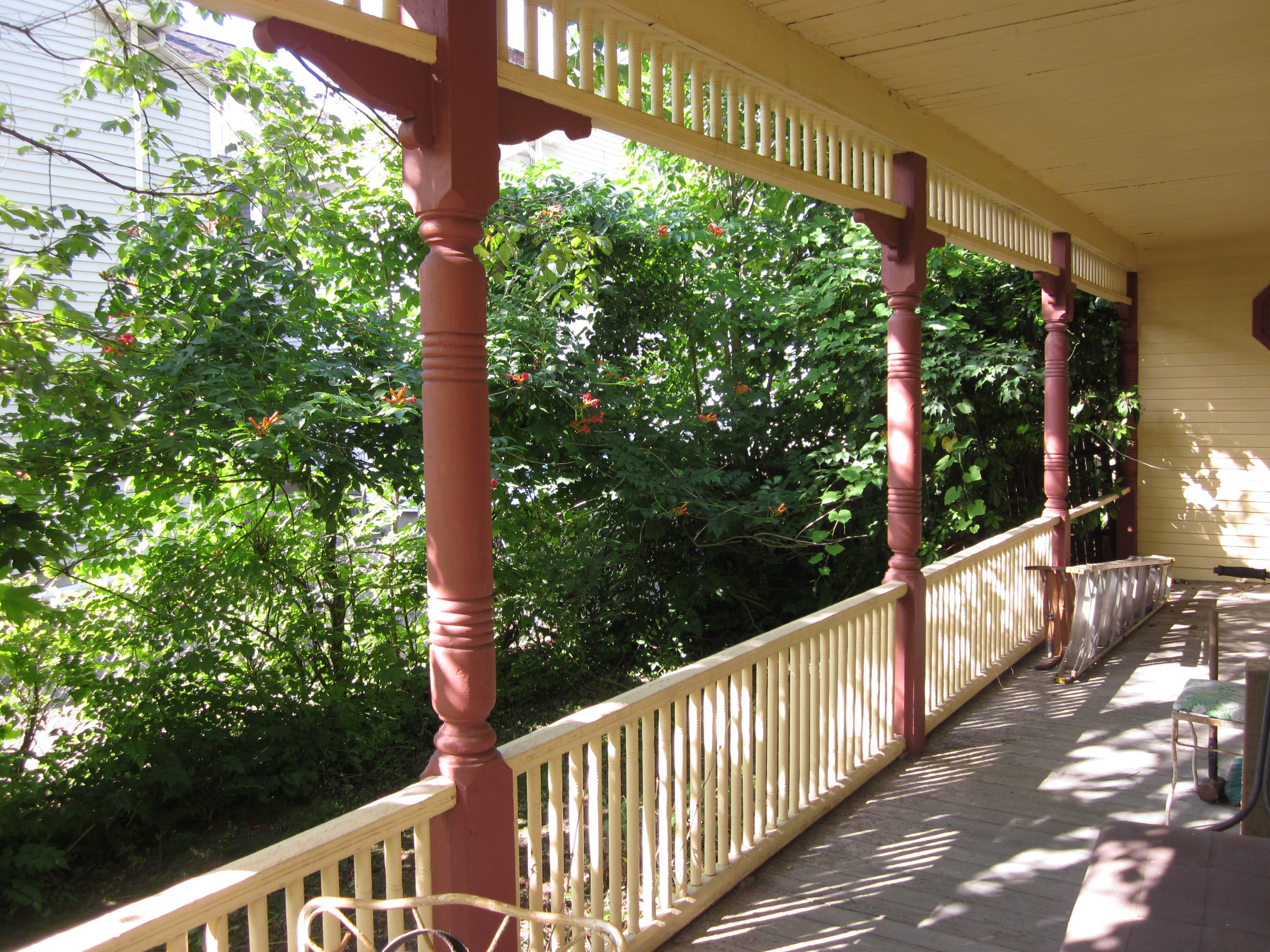 1058 Park St Palmer – older home in need of extensive repair. Has a legal apartment and would qualify for 203k rehab. Owner says bring an offer! Can be residential or commercial with six parking spaces in back. Extended family? Home office? It’s only up to you!
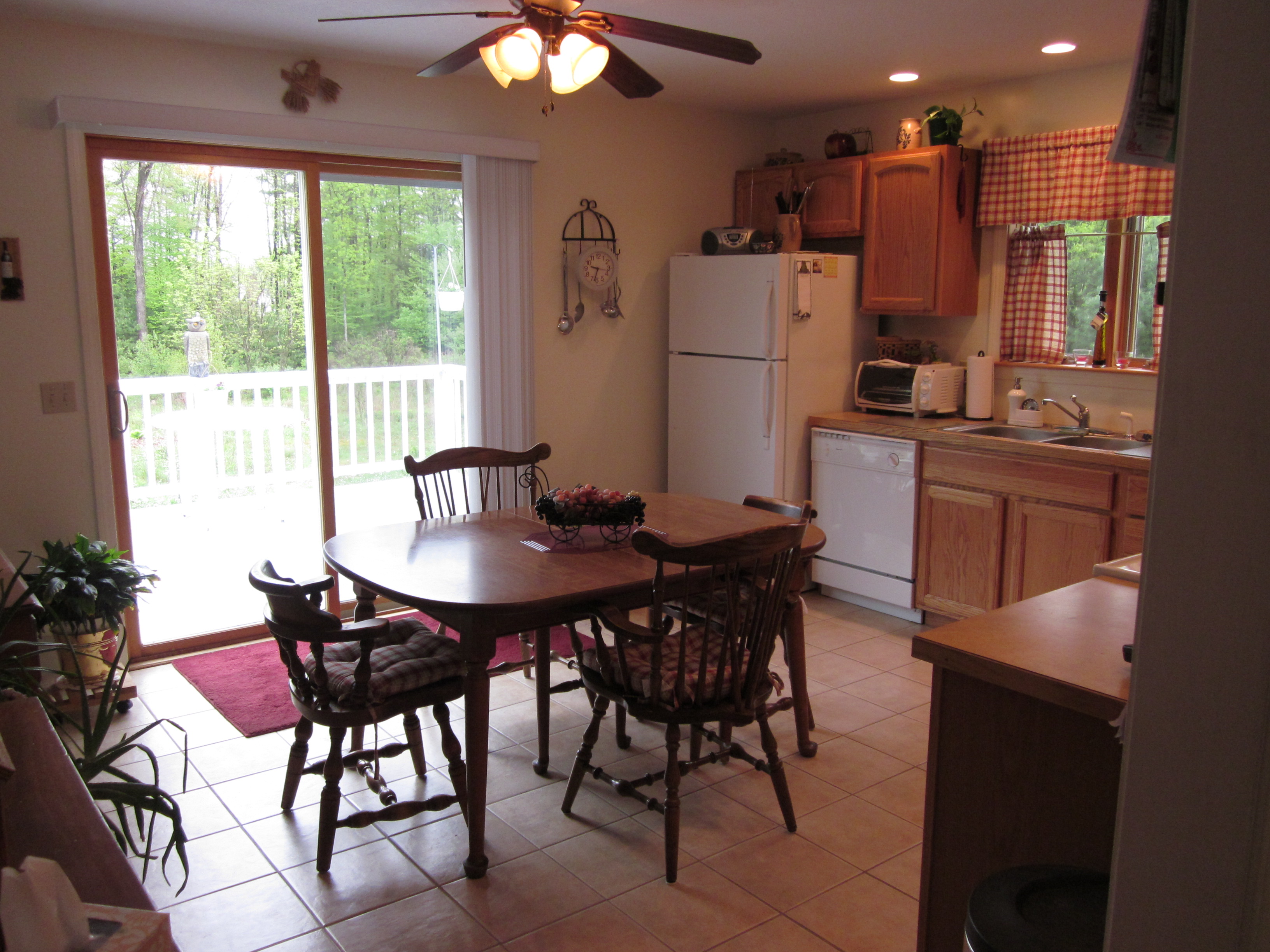 179 Osborne Rd Ware – newer one level ranch that offers single level living but also has a walk-out basement that is prime to renovate into a separate living space. House is squeaky clean at only 5 years old and very energy-efficient. Low heating costs, great acre lot and ready to go with 3 beds and 2 baths to start.
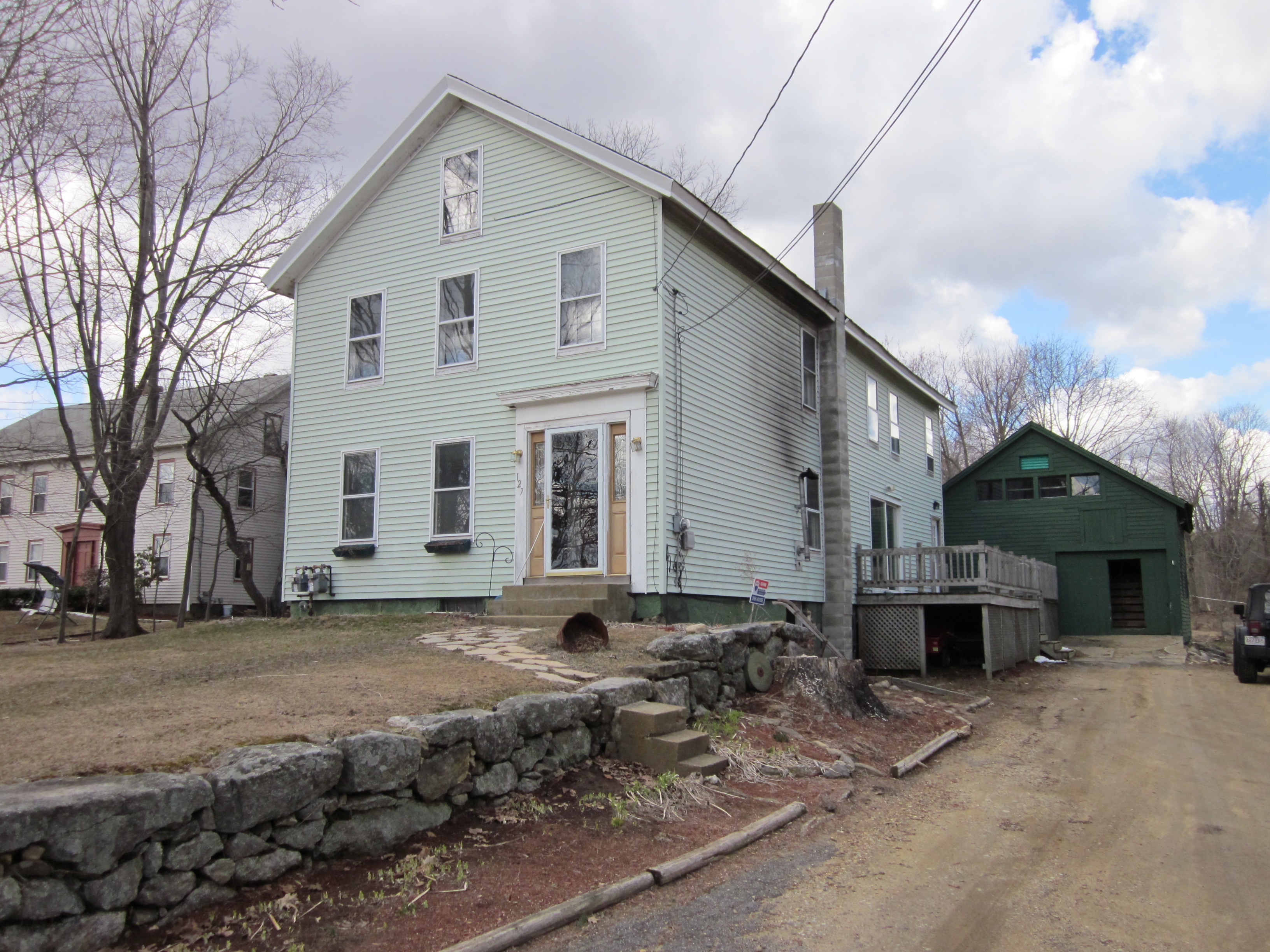 127 School Street N. Brookfield – renovated farm-house with in-law apartment upstairs. Great for boomerang or college aged family members. Also features a four stall horse barn that can be renovated into a very cool living space or keep as a barn and get horses.
How are you accommodating in-laws, grown kids, or renters in your home?
 Real Estate and *stuff *