Real Estate and *stuff *
A real person helping real people with real estate
You can scroll the shelf using ← and → keys
You can scroll the shelf using ← and → keys
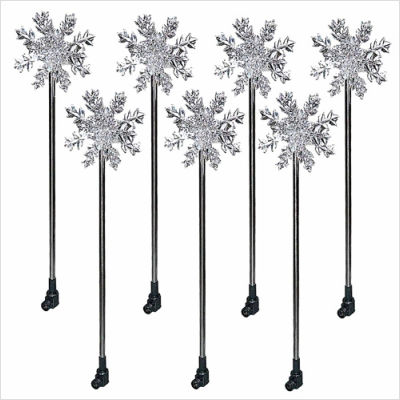 Solar Christmas lights don’t cost anything to operate, but the high purchase price might not add up to savings.
In the last few years, energy-efficient LED Christmas lights have largely replaced more wattage-thirsty incandescent strings, resulting in significant savings — LED lights use 70% less energy than their incandescent predecessors, and they last up to 10 times longer as well.
Now there’s a new kid in the string-light neighborhood: LED solar Christmas lights are appearing at retailers around the country, promising grid-free festive lighting for holiday-happy consumers.
Powering up solar Christmas lights
A string of solar Christmas lights uses a small solar panel for power; there are no extension cords that must be plugged into outlets. The panel — about the size of a hockey puck — powers rechargeable batteries that illuminate a 25- to 100-bulb string of LED lights.
Panels come with small stakes so you can put them in the ground, where they can take advantage of the sun. A fully-charged string of lights should glow for 6 to 8 hours after the sun goes down.
Solar lights vs. LED plug-in costs
Most consumers expect new technologies to cost more, but if saving energy and money is your main reason for considering solar-powered LED holiday lights, solar lights may not offer enough cost-saving to offset the higher initial purchase price.
Compare purchase prices:
Compare costs to operate:
Do the math, and you’ll see that it’ll take about 45 years for the energy savings from solar-power to equal the difference in purchase price between a plug-in string and a solar-powered string.
Advantages of solar lights
Disadvantages
 Here are a few surprising and simple ways to cut your energy bill this season since the temps have dropped so low the last few nights…we are getting our first taste of the winter season. I found this list and thought it was a nice quick way to save some energy without having to reconstruct the house. I am a fan of the last one!
Put lamps in the corners: Did you know you can switch to a lower wattage bulb in a lamp or lower its dimmer switch and not lose a noticeable amount of light? It’s all about placement. When a lamp is placed in a corner, the light reflects off the adjoining walls, which makes the room lighter and brighter.
Switch to a laptop: If you’re reading this article on a laptop, you’re using 1/3 less energy than if you’re reading this on a desktop.
Choose an LCD TV: If you’re among those considering a flat-screen upgrade from your conventional, CRT TV, choose an LCD screen for the biggest energy save.
Give your water heater a blanket: Just like you pile on extra layers in the winter, your hot water heater can use some extra insulation too. A fiberglass insulation blanket is a simple addition that can cut heat loss and save 4% to 9% on the average water-heating bill.
Turn off the burner before you’re done cooking: When you turn off an electric burner, it doesn’t cool off immediately. Use that to your advantage by turning it off early and using the residual heat to finish up your dish.
Add motion sensors: You might be diligent about shutting off unnecessary lights, but your kids? Not so much. Adding motion sensors to playrooms and bedrooms cost only $15 to $50 per light, and ensures you don’t pay for energy that you’re not using.
Spin laundry faster: The faster your washing machine can spin excess water out of your laundry, the less you’ll need to use your dryer. Many newer washers spin clothes so effectively, they cut drying time and energy consumption in half—which results in an equal drop in your dryer’s energy bill.
Use an ice tray: Stop using your automatic ice maker. It increases your fridge’s energy consumption by 14% to 20%. Ice trays, on the other hand, don’t increase your energy costs one iota.
Use the dishwasher: If you think doing your dishes by hand is greener than powering up the dishwasher, you’re wrong. Dishwashers use about 1/3 as much hot water and relieve that much strain from your energy-taxing water heater. Added bonus: you don’t have to wash any dishes.
 Real Estate and *stuff *