Real Estate and *stuff *
A real person helping real people with real estate
You can scroll the shelf using ← and → keys
You can scroll the shelf using ← and → keys

Questions like…
Come to our FREE networking meeting about how to make the money you spend in rent WORK for you! Find out more about today’s real estate market, investment opportunities and the true cost of not being a home owner. No obligation, just show up with your questions. Join Wes and myself for a relaxed, no obligation meeting to find out the answers to the questions you have.
WHEN: Two dates to choose from: May 17th or 24th at 6pm to 7:30pm
WHERE: Prestige Home Mortgage 45 Lyman Street Westborough MA – Terrace Level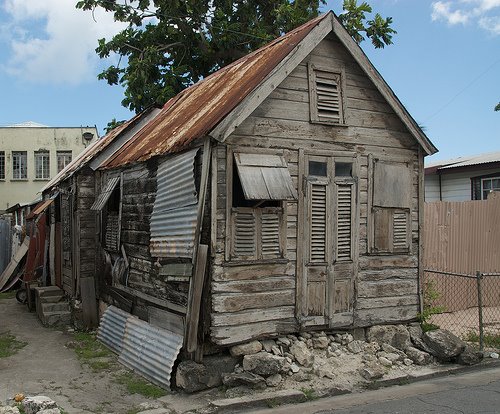 Tight-fisted lenders have made home equity loans harder to come by. So what’s a fixer-upper to do? Meet the 203(k) loan.
Lenders’ weak stomach for extending credit doesn’t have to sour your upgrade dreams. The old but new again FHA 203(k) loan rolls remodeling and mortgage costs together, whether you’re buying or refinancing an existing home loan to pay for upgrades.
First, some 203(k) basics:
Now, 13 rules for what you can and can’t do with a 203(k):
1. You can buy a fixer-upper so awful it wouldn’t qualify for a regular home loan. Whether buying or refinancing, all that needed work might keep your home from qualifying for a regular bank loan. Banks don’t finance homes in ill repair because they’re too hard to resell if they have to take the house back via foreclosure.
2. You can DIY with a 203(k) if you can show you know how to DIY. You can do the work yourself, or act as your own general contractor, if you can prove you’ve got the chops, and can get the job done on time (the maximum timeframe is six months). Of course there’s a catch: When you DIY, you can only use the 203(k) proceeds for supplies. You can’t pay yourself to do the work on your own house.
3. You can use a mini 203(k) for mini-sized projects. If you’re just doing your kitchen, bathroom, or another project that costs $35,000 or less, there’s a streamlined version of the 203(k) designed just for limited-size projects.
4. You can’t use it to buy a new-construction home. The house you’re fixing up has to be at least a year old.
5. You can’t use it to buy and install a new toilet, even one of those fancy Totos. You have to spend at least $5,000 on your renovation to use the 203(k) program. And the whole mortgage, including those remodeling costs, has to be under the FHA mortgage limit for the area where you live.
6. You can expect the lender to be up in your grill about how and when the home improvements get done. An inspector will be dispatched to your home multiple times to check in on the progress, which is why rule #7 is so important.
7. You have to keep your contractor from going on a long vacation to Europe.
Doing it yourself? The same timelines apply. So no long vacations for you until the work gets done.
8. You can use the loan to make your mortgage payments if you can’t live in the house until the work is done. This is one sweet provision of the 203(k) program because it means you don’t have to make a mortgage payment on the home you’re remodeling and pay to live somewhere else while the work is going on.
You can use the 203(k) loan to pay for up to six months of principle, interest, taxes, and insurance payments when your property is going to be uninhabitable because of the renovation work.
9. You can use it to make energy-efficiency upgrades like installing a new furnace, windows, or attic insulation. You can get a 203(k) loan to pay for 100% of the cost of energy-efficiency improvements. You don’t have to get those improvements appraised, but they do have to be cost-effective, meaning they’ll pay for themselves over their useful life. The HUD inspector will make the call.
10. You can rip the house down if you plan to build something in its place. As long as you keep the foundation of the home, you’re good to go.
11. You can have a little shop downstairs. It’s kosher to use a 203(k) loan to remodel a home that includes some commercial space, as long as you use the money only for projects in the residential part of your home and the amount of commercial space doesn’t exceed these limits:
13. You can’t break these rules or the lender can take its money back.Like immediately. Your lender can also refuse to advance you any more money or apply any money left in the escrow account to reduce what you owe on the mortgage.
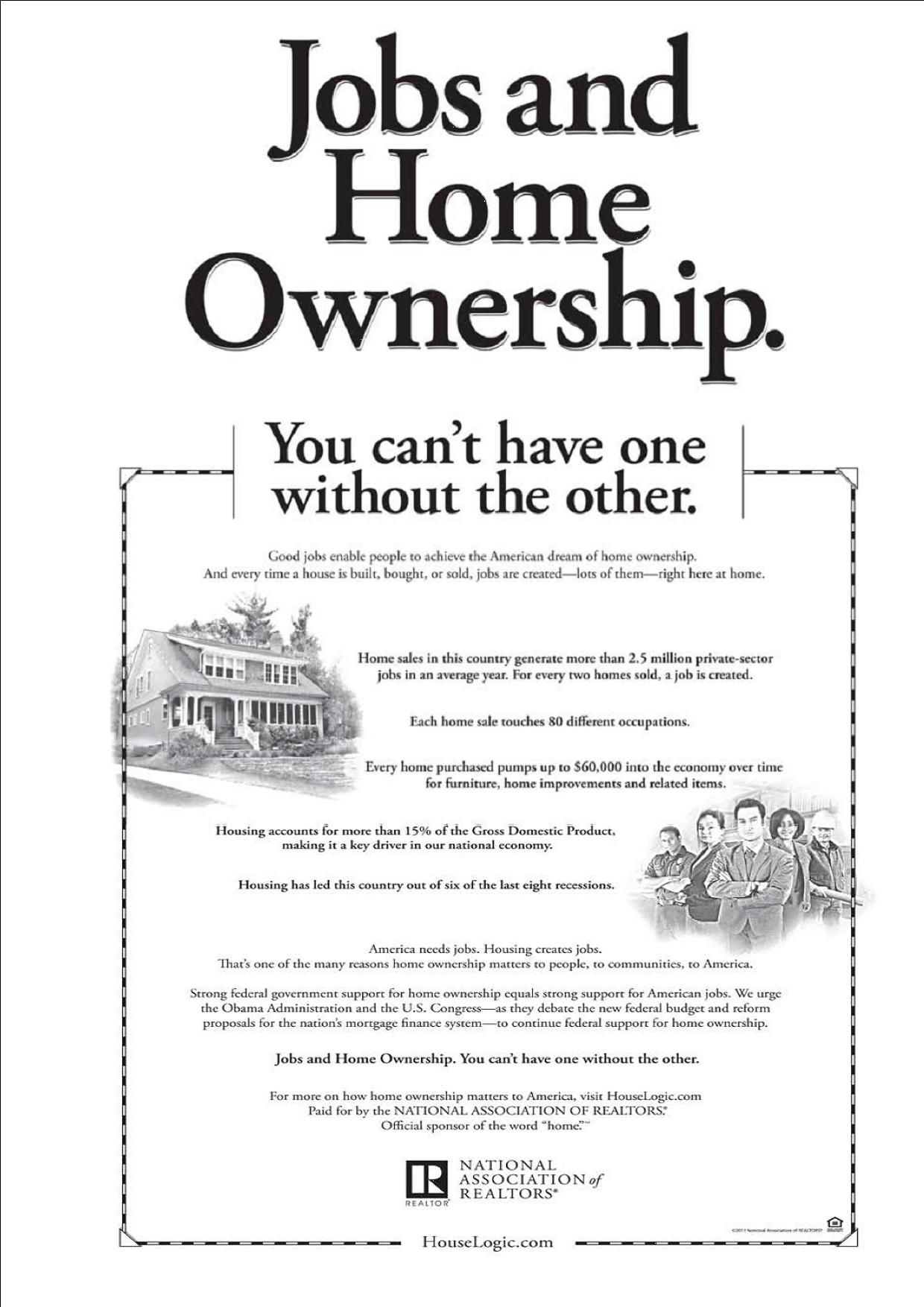
Housing is a significant driver of the national economy— it accounts for more than 15% of the gross domestic product. In addition, six of the last eight recessions have ended as a result of robust housing markets; war spending ended the other two recessions. Home ownership is strongly tied to jobs in this country. For every two homes sold, one job is created in this country. In addition, each home purchase generates as much as $60,000 in economic activity over time.
It Pays to Support Responsible Home Ownership
Understand the role that home ownership plays in our economy and the programs that help make it attainable and sustainable for responsible home owners.
Your Mortgage Deduction: Turn Tax Savings into Home Value
There’s savings to be had when you own a home and take the mortgage interest deduction each year. Here are some smart—and fun—ways to use your accumulated tax savings.
Benefits of Home Ownership
Being a home owner is more than just having a roof over your head. It offers important social benefits, like higher academic achievement, more cohesive communities, better connected families, improved health and safety, and a stronger economy. Thinking of buying home? Let me know!
If you need to house aging parents or adult children, or if your family is multi-generational, what’s better — an in-law suite or a little granny cottage in the back yard?
Our data says you’ll spend less remodeling the basement or adding an in-law suite to your attic. But a USA Today feature suggests you consider building a small house or cottage in the back yard.
For instance, the article notes that in Vancouver, detached cottages or “laneway houses” have become popular: “[Architect James Tuer] … designed several, including one that cost $200,000 and rents for about $1,600 monthly. He says the owners have aging parents who may live there, or they may use it themselves at some point and rent out their main house.”
A Seattle builder is also building backyard cottages in the neighborhood of 800 square feet and at a cost of about $125,000.
Building a second house on your property means a trip through the zoning process versus the much simpler permit process you follow when you remodel existing square footage.
And if you don’t live in a trend-setting metropolis, zoning rules will likely keep you from building a second house on your lot unless you physically attach it to your existing house and put a family member in it rather than a renter. If that’s the case for you, maybe grandpa or the kids can make do with an apartment in the space over the garage.
I currently have seven houses listed that can accommodate an in-law or multi-generational family. If this is what you need, just let me know. They are in a variety of areas so we have choices! With some vision, these houses can solve your family situation.
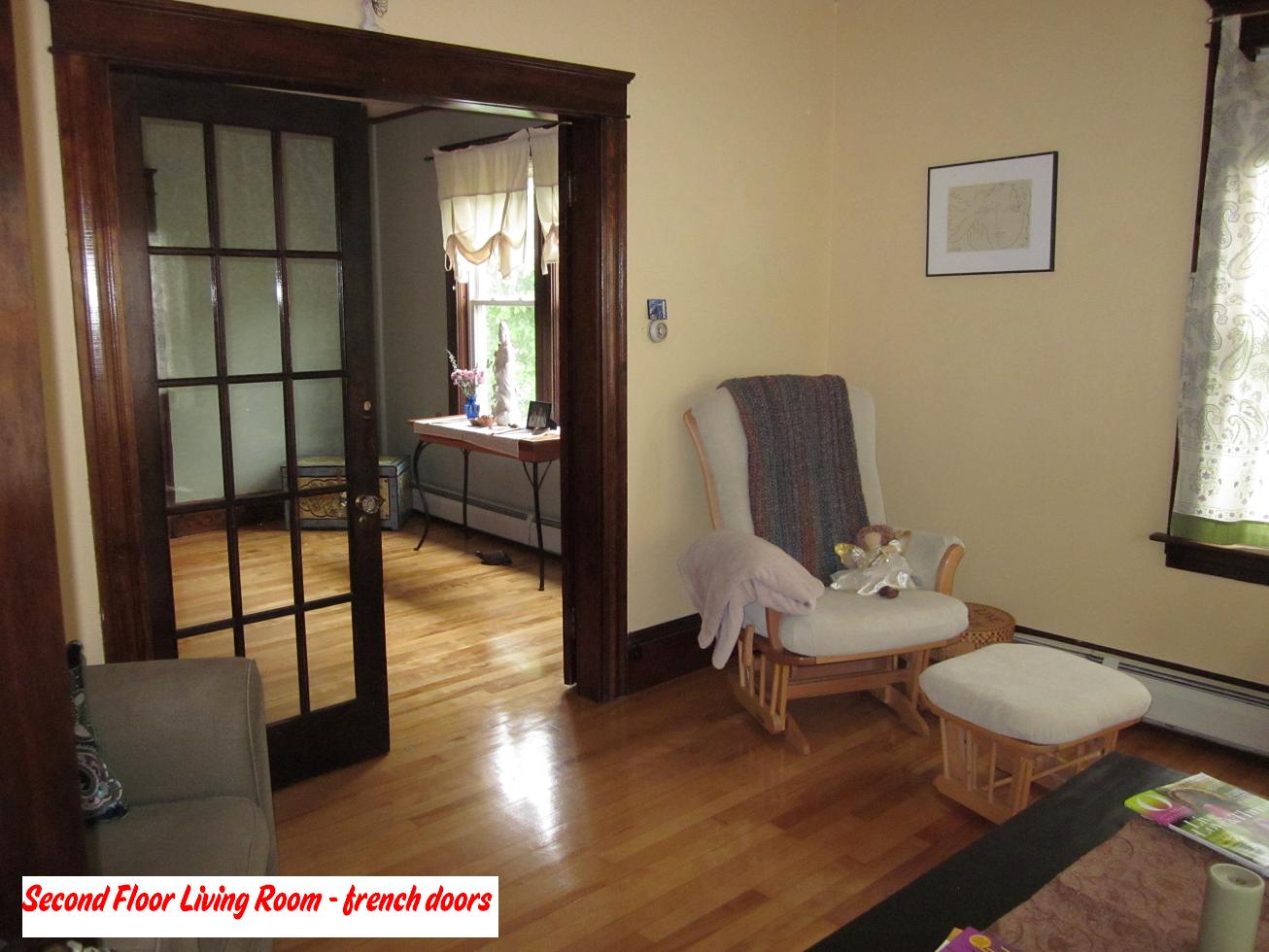 36 Norman Street in Clinton (legal two family – could be a one family – open today 11:30 to 1pm) needs nothing to move in and accommodate a multi-generational family. Currently has a month to month tenant in the second floor (instant income). Third floor used to be living space also and the basement is full high ceiling with solid wall, half bath and dry.
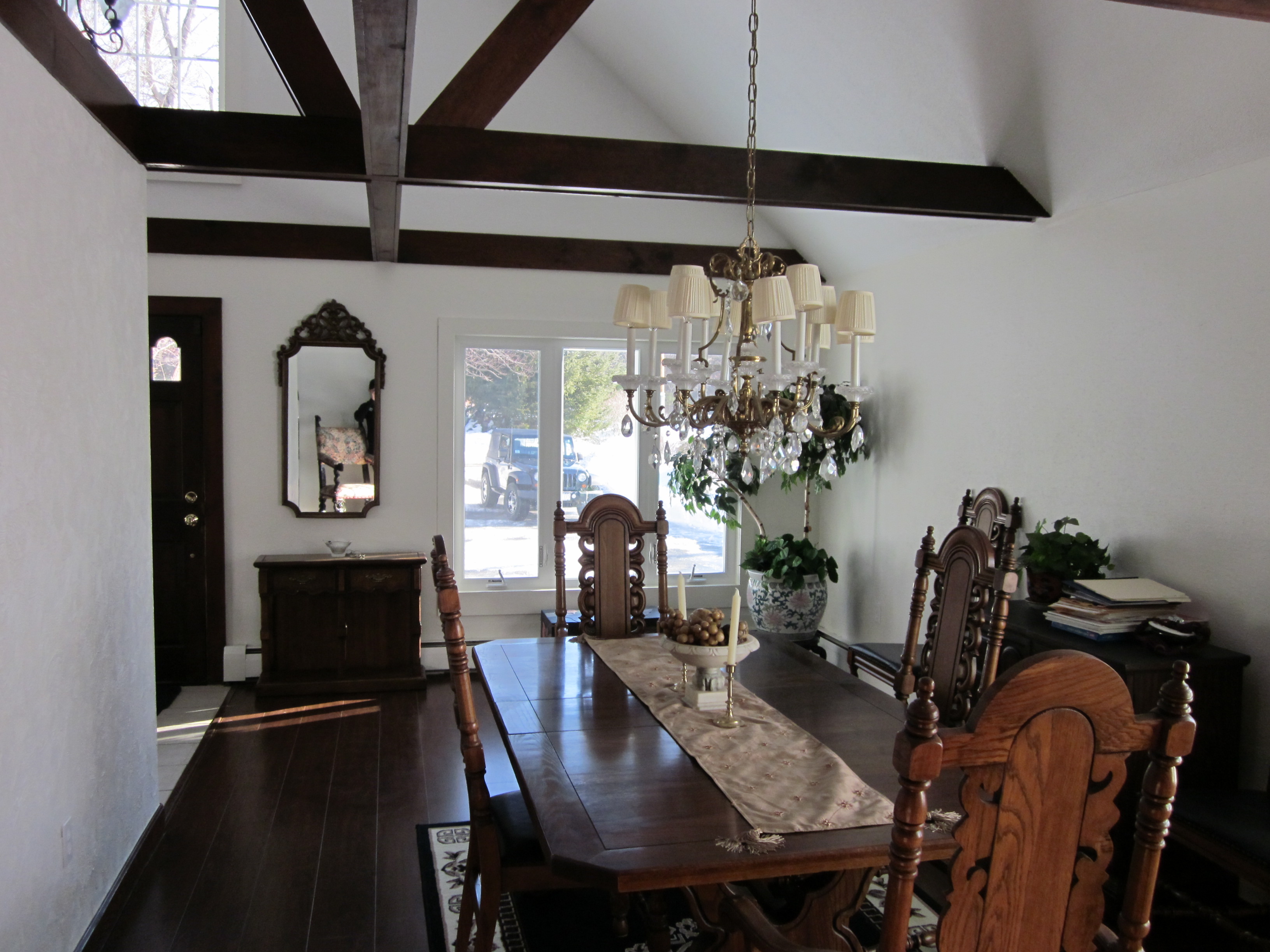 272 Oak Street in Shrewsbury (one family with a spacious legal in-law apartment) beautifully unique home with new heating system, roof and siding. Needs nothing to move in and accommodate a multi-generational family or extra income. Seller financing available.
 12 Cottage Street in Ware (renovated Victorian) very large one family house with 2 story barn that would make a fantastic remodeling project to accommodate a second home on the property. Barn currently has electricity to it. But you could also renovate the interior of the house into a multi-family situation. House has two full baths (one on each floor) already plus some great space on the third floor. This house is only limited by its next owners imagination.
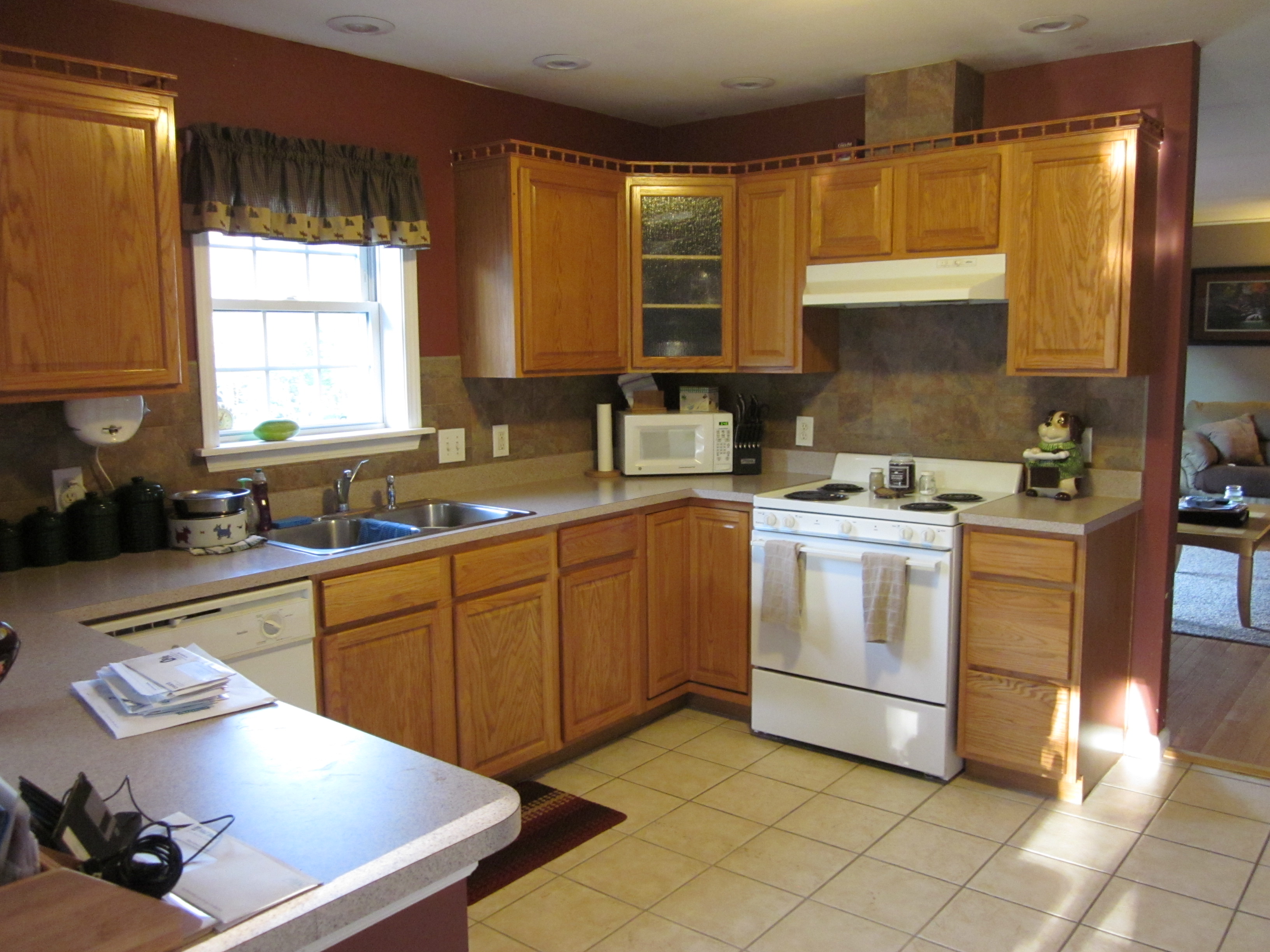 82 Saundersdale Rd in Charlton – newer single family that has already been converted into a two family with a 3 car garage. First floor has one bedroom, walk in shower and laundry with huge living space. Second floor has 3 beds, 2 baths and laundry with a double pantry kitchen. Great space for the family that wants to stay together but independently.
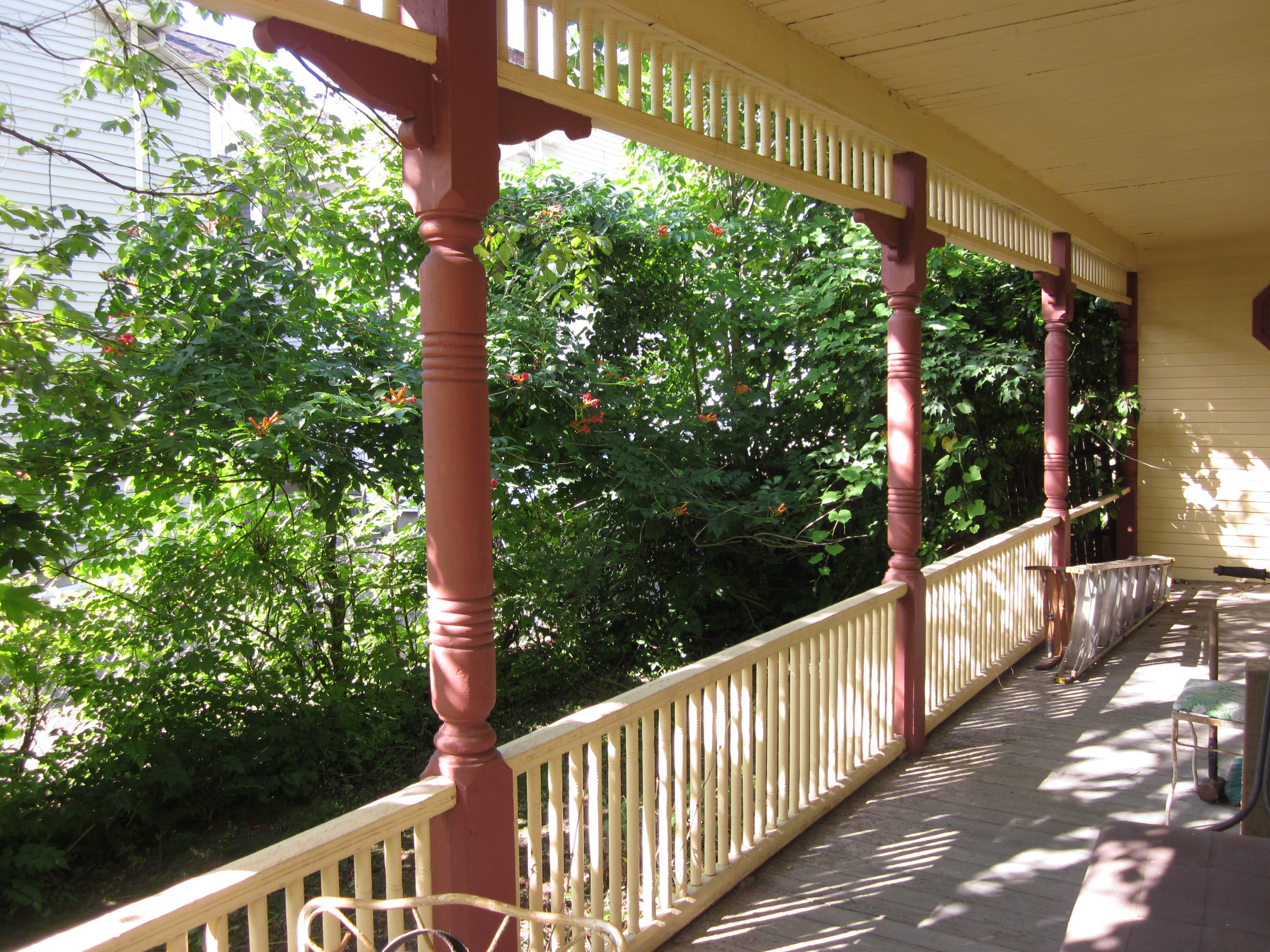 1058 Park St Palmer – older home in need of extensive repair. Has a legal apartment and would qualify for 203k rehab. Owner says bring an offer! Can be residential or commercial with six parking spaces in back. Extended family? Home office? It’s only up to you!
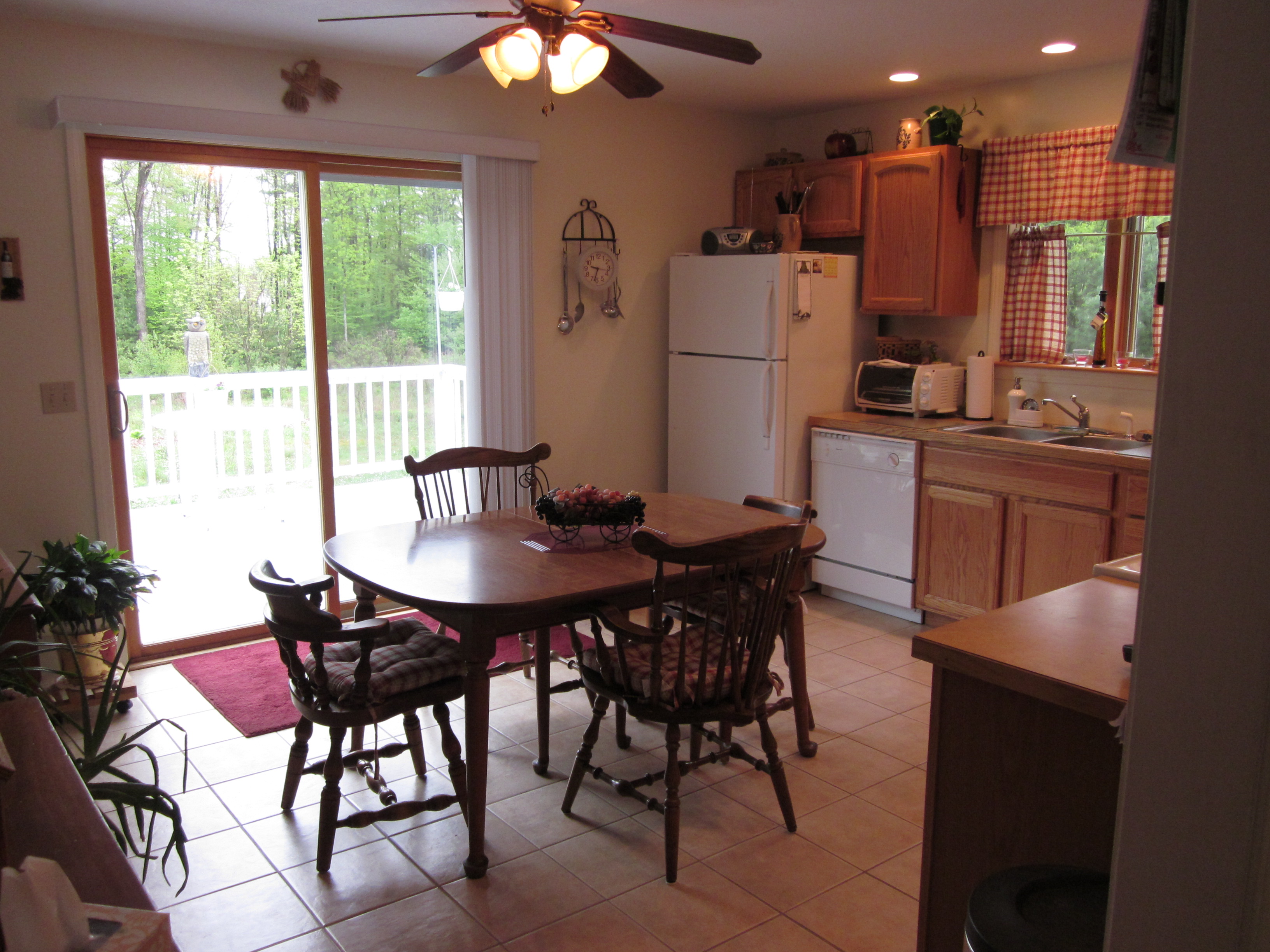 179 Osborne Rd Ware – newer one level ranch that offers single level living but also has a walk-out basement that is prime to renovate into a separate living space. House is squeaky clean at only 5 years old and very energy-efficient. Low heating costs, great acre lot and ready to go with 3 beds and 2 baths to start.
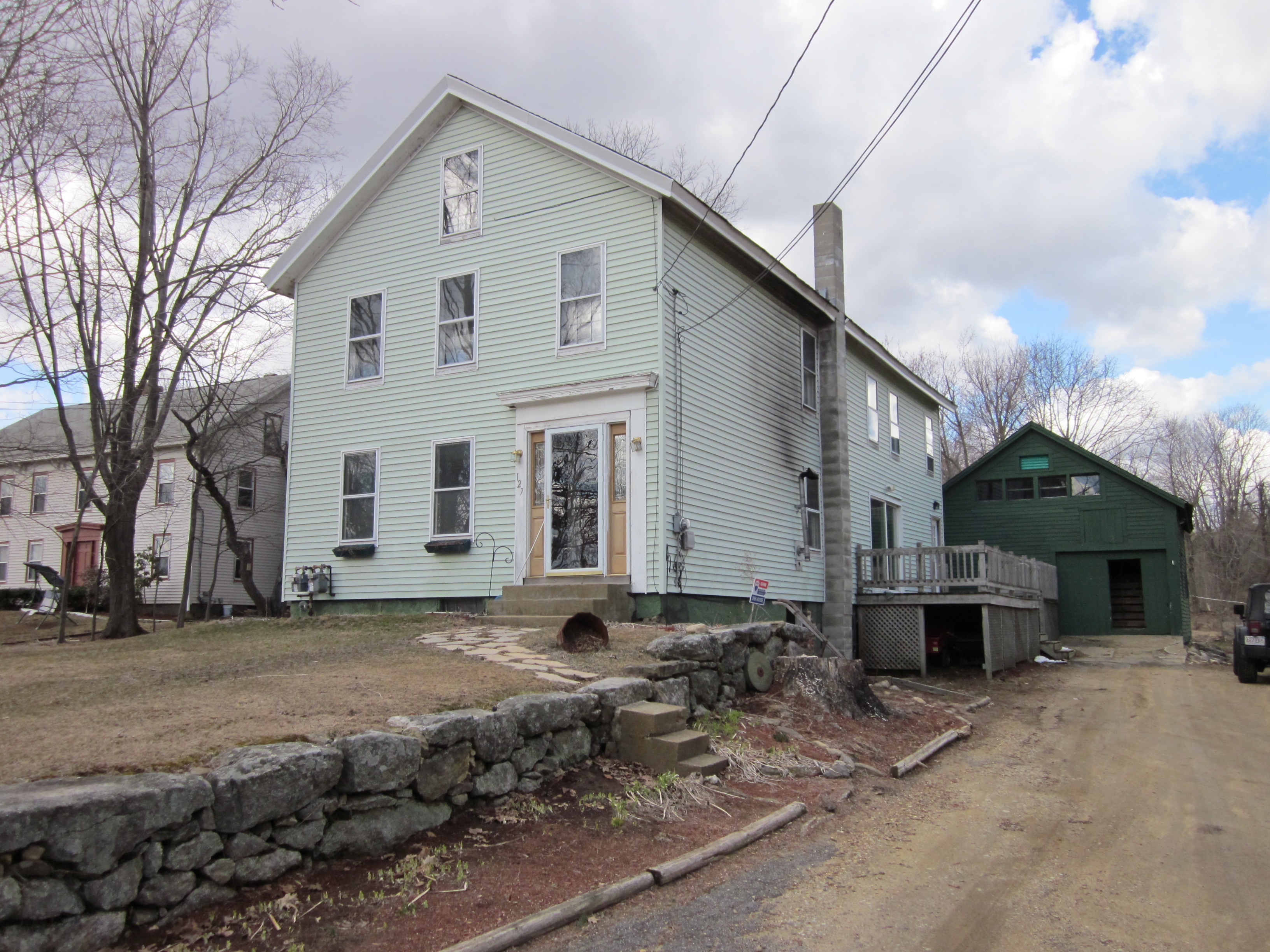 127 School Street N. Brookfield – renovated farm-house with in-law apartment upstairs. Great for boomerang or college aged family members. Also features a four stall horse barn that can be renovated into a very cool living space or keep as a barn and get horses.
How are you accommodating in-laws, grown kids, or renters in your home?
 Yes it’s true…we have trusted partners in this industry that we can refer our clients to with confidence…one of them is Wes Oliver and his most recent status update is that due to some very recent changes he can do a 30 year fixed in the 3’s.
Interested? Let me know and I will get you in touch with him!
 I am part of 7 Hills BNI – the largest global business networking organization in existence. The purpose of the organization is to build relationships between professionals in order to pass business through referrals. It’s a great concept, works very well and is fun! This year to date, my chapter has passed $117,000 in business referrals and we’re still going!
It works because each profession is only allowed one person to represent it. Currently we have several open spots in our Chapter for the following professions:
General contractor
Chiropractor
Massage Therapist
Payroll Company
Computer Repair
Architect
Event Planner
Exterminator/Pest Control
Home Inspector
Home Appraiser
Florist
Auto Repair
Auto Body
Travel Agent
Landscaper
Carpenter
Mason
If you are in one of these professions or know someone who is and would like to increase your business – let me know. We would like to invite you to visit our group in West Boylston and see what’s it’s all about. You can also visit the website: http://www.bni.com and be sure to check out the “Why Join?” section. This group has not only grown my business but it’s added new friends to my world!

 Real Estate and *stuff *