Real Estate and *stuff *
A real person helping real people with real estate
You can scroll the shelf using ← and → keys
You can scroll the shelf using ← and → keys
 Warning: Scammers are on the prowl, claiming to have your share of the foreclosure settlement — for a fee, of course.
The next phone call you get might be from a crook eager to “help” you get your share of the recent $25 billion foreclosure abuse settlement attorneys general in 49 states negotiated with the big banks.
Reality check: This is a national settlement run by state employees. So the chance that a settlement official is calling you the week after the deal was struck because they’re ready to send you your share of $25 billion is about as likely as the possibility you just won the Nigerian lottery.
The attorneys general of several states warn that fraudsters claiming to be bank employees or settlement officials are calling consumers asking for bank account information, credit card numbers, or other personal information. If you give it to them, they’ll use it to steal your identity or run up fraudulent credit card charges as soon as you hang up the phone.
Don’t fall for that trick or for Internet sites promising to get you your share of the settlement — for a fee. Legit organizations never collect a fee for settlements like this or for helping you avoid foreclosure.
1. See who’s eligible for the settlement.
2. Call or go online to your attorney general’s website to see what your state is doing. (I have a hunch most AGs will put information about a multimillion-dollar payment to their constituents on the front page of their websites.)
3. Check with your lender directly:
If you had a loan from one of those five banks, you may hear from your lender at some point during the next three years. The money from the settlement is earmarked for about 1 million households at risk of foreclosure and about 750,000 others who lost their homes to foreclosures.
Has a scammer ever tried to get you to give up your credit card number over the phone?
Space heaters used to be clunky plugins that squatted on the floor and scared the fluff off your cat. No more — these 5 space heaters are totally cool.
 This radiant heat panel — the mirror and towel bar on the left — is so integrated into this bathroom that you may not even notice it. Image: Warmly Yours
You’ve probably heard of radiant heating for floors, created by snaking heating tubes or cables under floors. But that’s not the only application for this efficient, quiet method of heating. Manufacturers now produce radiant panels for walls, ceilings, and other locations.
Radiant heat, also known as infrared radiant heat, is especially efficient, heating solid objects such as chairs and people without heating the air. The warming effect of radiant heat is practically instantaneous, and solid objects store the heat and stay warm even after the system switches off.
(Forced-air heating does the opposite, heating the air first, which then eventually warms people and surfaces. When a forced-air system shuts off, temperatures fall rapidly.)
Radiant panels come in many sizes, from a couple of square feet to 30 square feet and larger. Because no heat is lost in air ducts (there aren’t any), radiant panels are especially energy efficient, and the use of supplemental radiant panels to selectively heat rooms helps reduce annual energy costs by 10% to 30%.
 Finding the best heating solution for a specific situation is a fine art — sometimes literally. A thin-film, infrared radiant panel made by Prestyl USA hangs on a wall and looks just like artwork, custom-printed with a design or photo you submit.
“We just need a digital high-pixel image that you have the rights to,” says the president, Thom Morrow. “So no Seattle Seahawks logos. But a portrait of the family, fine. Or dog or horse or the old family farm.”
These plug-in art panels project out from the wall just 1½ inches. Inside is a carbon-based material that absorbs energy when current passes through. The panel then releases the energy as infrared light waves.
An artistic panel isn’t cheap, but you can take into account what you might spend on equivalent artwork. Prestyl’s plain 2-by-2-foot panel, suitable for an 8-by-10-foot room, costs $352, plus $180 if you want an image, or a total of $6.65 per square foot of living space.
 If you heat with electricity and live where electrical rates are lower at off-peak hours, an electrical thermal storage heater could save you money.
This kind of heater consists of a well-insulated shell filled with ceramic bricks that efficiently absorb and store heat. The bricks heat up during hours when power rates are low, then release the heat, using a blower, when the rate rises, potentially saving you hundreds of dollars a year.
Al Takle, national sales manager for Steffes Corp., says the units only make sense where rates dip for part of the day. Where’s that? He listed:
Thermal storage heaters sit on the floor and are about 12 inches deep, 24 inches high, and 30 to 60 inches long. They require only a little clearance on sides and the top, so you can easily build them into bookcases or window seats. Costs range from $1,200 (for a small bedroom or office) to $2,200 (for a 1,000-square-foot, open living room and kitchen space), or $2-$12 per square foot of living area.
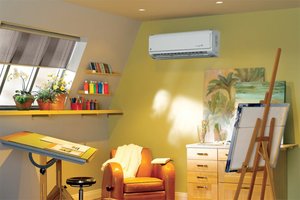 If you’re looking to retrofit an older home that doesn’t have ductwork, or you’re adding on and tying into your existing HVAC system is problematic, a ductless heat pump could be the answer.
Developed in Japan 30 years ago, many heating contractors in the U.S. are just now learning about this option, also known as a mini-split. There are only two main components: an outdoor compressor unit and an indoor air handler, which is typically installed high on an outside wall.
A small tube delivers conditioned air directly to the room. Because there’s no long expanse of ductwork, ductless heat pumps operate up to 50% more efficiently than traditional forced-air systems.
The installed price is around $5,000 for equipment that handles 1,100 square feet, or $5.45 per square foot of living space. Many power companies offer rebate incentives, sometimes for as much as $1,500, to customers who switch from other kinds of electrical heating.
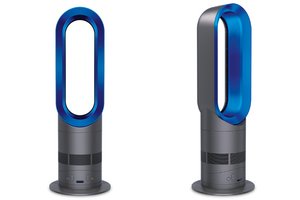 For a floor-model space heater that’s out of this world, look to Dyson — the company that seems to delight in reinventing ordinary household items.
The Dyson Hot fan heater looks like a space creature that never got around to developing a face. It generates heat like any other electrical-resistance heater, but there’s no visible whirling fan, so you don’t have to worry about whether a curious kid will stick in a finger to see what happens.
Even though you don’t see a fan, the heater does blow out a steady stream of warm air. The heater pushes air over its curved surfaces to increase output, much the same way an airplane wing accelerates air flow. The fan head oscillates, and you can tilt the device to direct the air flow.
The Hot fan costs $400 and is suitable for small to medium-size rooms, or about $4 per square foot of living space for a 10-by-10-foot room.
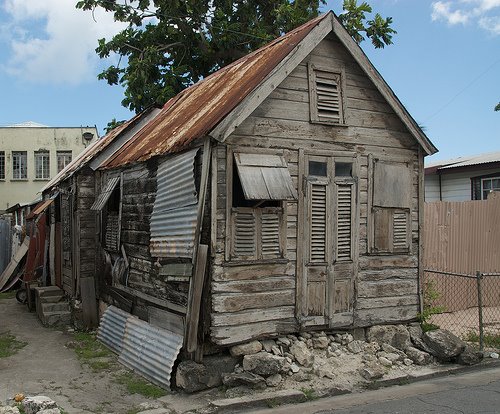 Tight-fisted lenders have made home equity loans harder to come by. So what’s a fixer-upper to do? Meet the 203(k) loan.
Lenders’ weak stomach for extending credit doesn’t have to sour your upgrade dreams. The old but new again FHA 203(k) loan rolls remodeling and mortgage costs together, whether you’re buying or refinancing an existing home loan to pay for upgrades.
First, some 203(k) basics:
Now, 13 rules for what you can and can’t do with a 203(k):
1. You can buy a fixer-upper so awful it wouldn’t qualify for a regular home loan. Whether buying or refinancing, all that needed work might keep your home from qualifying for a regular bank loan. Banks don’t finance homes in ill repair because they’re too hard to resell if they have to take the house back via foreclosure.
2. You can DIY with a 203(k) if you can show you know how to DIY. You can do the work yourself, or act as your own general contractor, if you can prove you’ve got the chops, and can get the job done on time (the maximum timeframe is six months). Of course there’s a catch: When you DIY, you can only use the 203(k) proceeds for supplies. You can’t pay yourself to do the work on your own house.
3. You can use a mini 203(k) for mini-sized projects. If you’re just doing your kitchen, bathroom, or another project that costs $35,000 or less, there’s a streamlined version of the 203(k) designed just for limited-size projects.
4. You can’t use it to buy a new-construction home. The house you’re fixing up has to be at least a year old.
5. You can’t use it to buy and install a new toilet, even one of those fancy Totos. You have to spend at least $5,000 on your renovation to use the 203(k) program. And the whole mortgage, including those remodeling costs, has to be under the FHA mortgage limit for the area where you live.
6. You can expect the lender to be up in your grill about how and when the home improvements get done. An inspector will be dispatched to your home multiple times to check in on the progress, which is why rule #7 is so important.
7. You have to keep your contractor from going on a long vacation to Europe.
Doing it yourself? The same timelines apply. So no long vacations for you until the work gets done.
8. You can use the loan to make your mortgage payments if you can’t live in the house until the work is done. This is one sweet provision of the 203(k) program because it means you don’t have to make a mortgage payment on the home you’re remodeling and pay to live somewhere else while the work is going on.
You can use the 203(k) loan to pay for up to six months of principle, interest, taxes, and insurance payments when your property is going to be uninhabitable because of the renovation work.
9. You can use it to make energy-efficiency upgrades like installing a new furnace, windows, or attic insulation. You can get a 203(k) loan to pay for 100% of the cost of energy-efficiency improvements. You don’t have to get those improvements appraised, but they do have to be cost-effective, meaning they’ll pay for themselves over their useful life. The HUD inspector will make the call.
10. You can rip the house down if you plan to build something in its place. As long as you keep the foundation of the home, you’re good to go.
11. You can have a little shop downstairs. It’s kosher to use a 203(k) loan to remodel a home that includes some commercial space, as long as you use the money only for projects in the residential part of your home and the amount of commercial space doesn’t exceed these limits:
13. You can’t break these rules or the lender can take its money back.Like immediately. Your lender can also refuse to advance you any more money or apply any money left in the escrow account to reduce what you owe on the mortgage.
We’ve added MORE homes to the list! Check out some of these great houses this Sunday in Holden as we’re holdin’ open Holden! Need more information…let me know!
46 Acorn Drive
4 Birch Hill (1:30 to 3)
238 Fisher Rd
89 Fox Hill
2 Greenbriar Lane (12 to 2)
37 Heather Circle
225 Highland Street
84 Homestead (11:30 to 1)
67 Laurel Lane
823 Main Street (11am to 1pm)
1565 Main Street
476 Manning Street
769 Mason Rd
12 Tanya Drive
 This coming Sunday HOLDEN IS OPEN!!! We are holding 12 listings open in Holden on 3/11!
According to Neighborhood Scout, “Holden is the 108th largest community in Massachusetts and has more people living here who work in computers and math than 95% of the places in the US.
In addition, Holden is home to many people who could be described as “urban sophisticates”. Urban sophisticates are people who are both educated and wealthy, and thus tend to be older, richer, and more established than young professionals. “Urban sophisticates” is not just about being educated and well-off financially: it is a point of view and state of mind, one that you might call ‘urbaneness’. But such people can and do regularly live in small towns, suburbs and rural areas, as well as in big cities. They read, support the arts and high-end shops, and love travel.
Because of many things, Holden is a very good place for families to consider. With an enviable combination of good schools, low crime, college-educated neighbors who tend to support education because of their own experiences, and a high rate of home ownership in predominantly single-family properties”
So come see for yourself! All listings are open 1pm to 3pm unless noted:
46 Acorn Drive
238 Fisher Rd
89 Fox Hill
2 Greenbriar Lane (12 to 2)
37 Heather Circle
225 Highland Street
67 Laurel Lane
823 Main Street (11am to 1pm)
1565 Main Street
476 Manning Street
769 Mason Rd
12 Tanya Drive
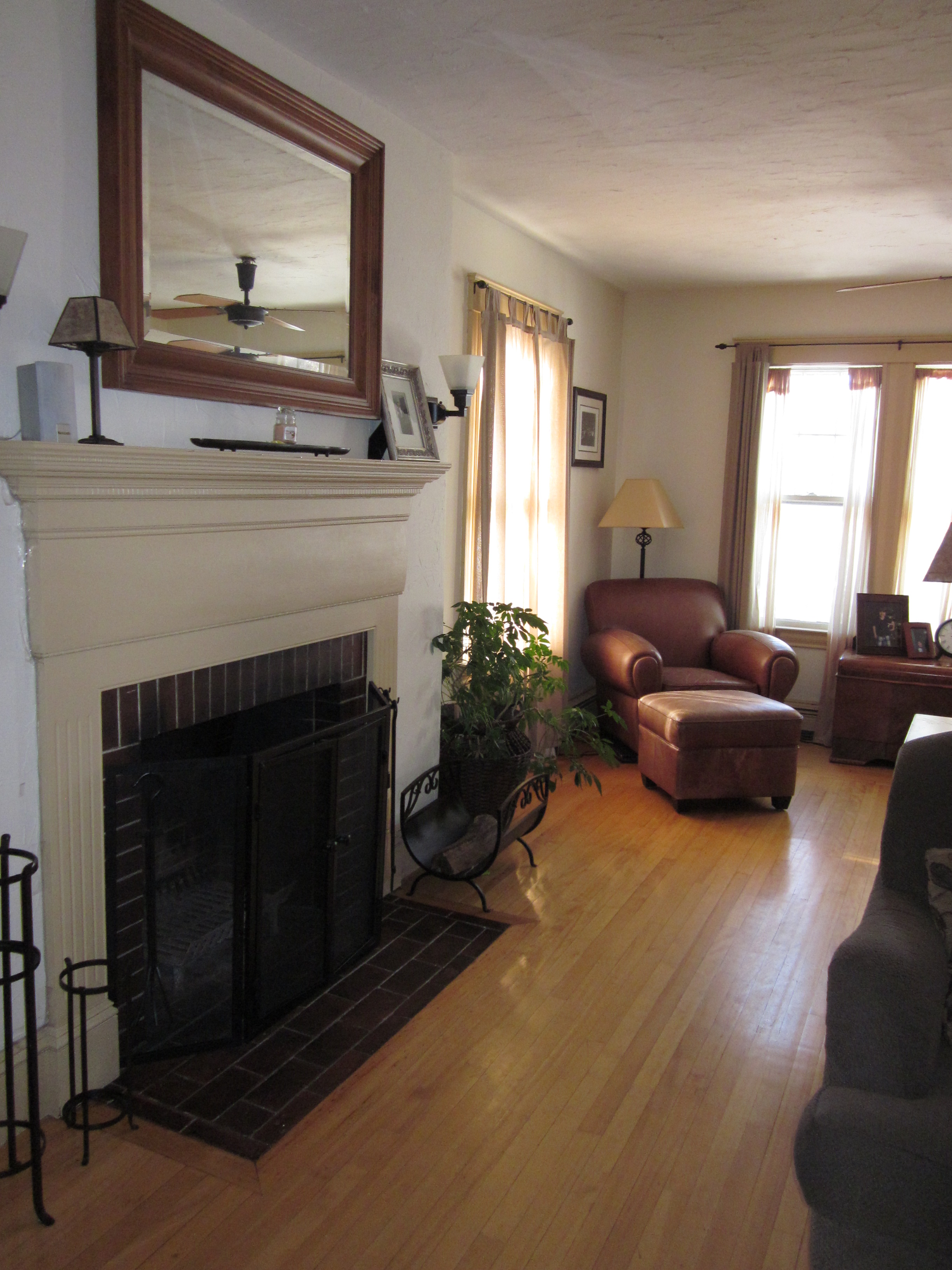 Open this Sunday 12pm to 2pm this colonial has a ton to offer in living space with its four bedrooms and oversized living room with fireplace. I wouldn’t want to overshadow the formal dining room that opens up to the screen porch through a set of double french doors…or forget to mention the full pantry with first floor laundry…BUT
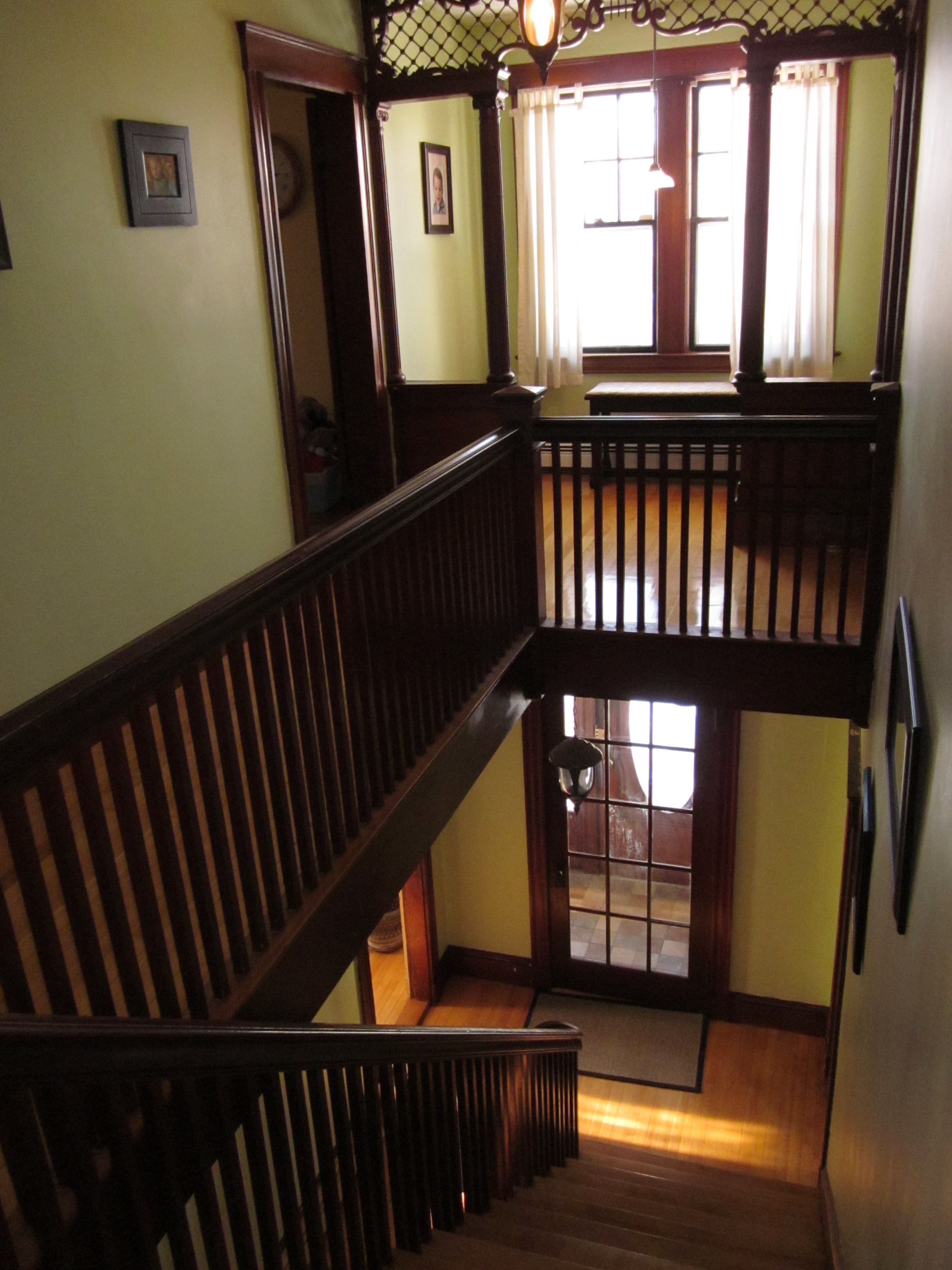
Check out the hardwoods and stunning display of the entrance foyer and upper stair case! This is a true trip to the past and has been maintained throughout the years! The house itself has been brought forward to modern-day but it still looks like a grand West Side Colonial!
I wouldn’t want to forget the full walk up attic or the full dry basement either. Stop in Sunday and see!
5 Pleasant Street
Marlborough
Sunday, 12pm to 2pm


Love these guys! Check out this video blog with “Think Big, Work Small” as they recap a recent interview with Warren Buffett. As one of most recognized (and successful) investors of all time, he is not shaken by the housing market – in fact – he thinks it’s the place to put HIS money!
Don’t miss the opportunity to see this house on Sunday, 2/25 in West Boylston. Not only is a great commuting location but it’s BRAND NEW on the inside!
Construction was finished at the beginning of ’06 on what used to be a small 2-story cape style home. After bringing the house down to the studs (and replacing most of those too) this is now an amazing 3 level contemporary full of rich details and fine upgrades. Here are some of the highlights:
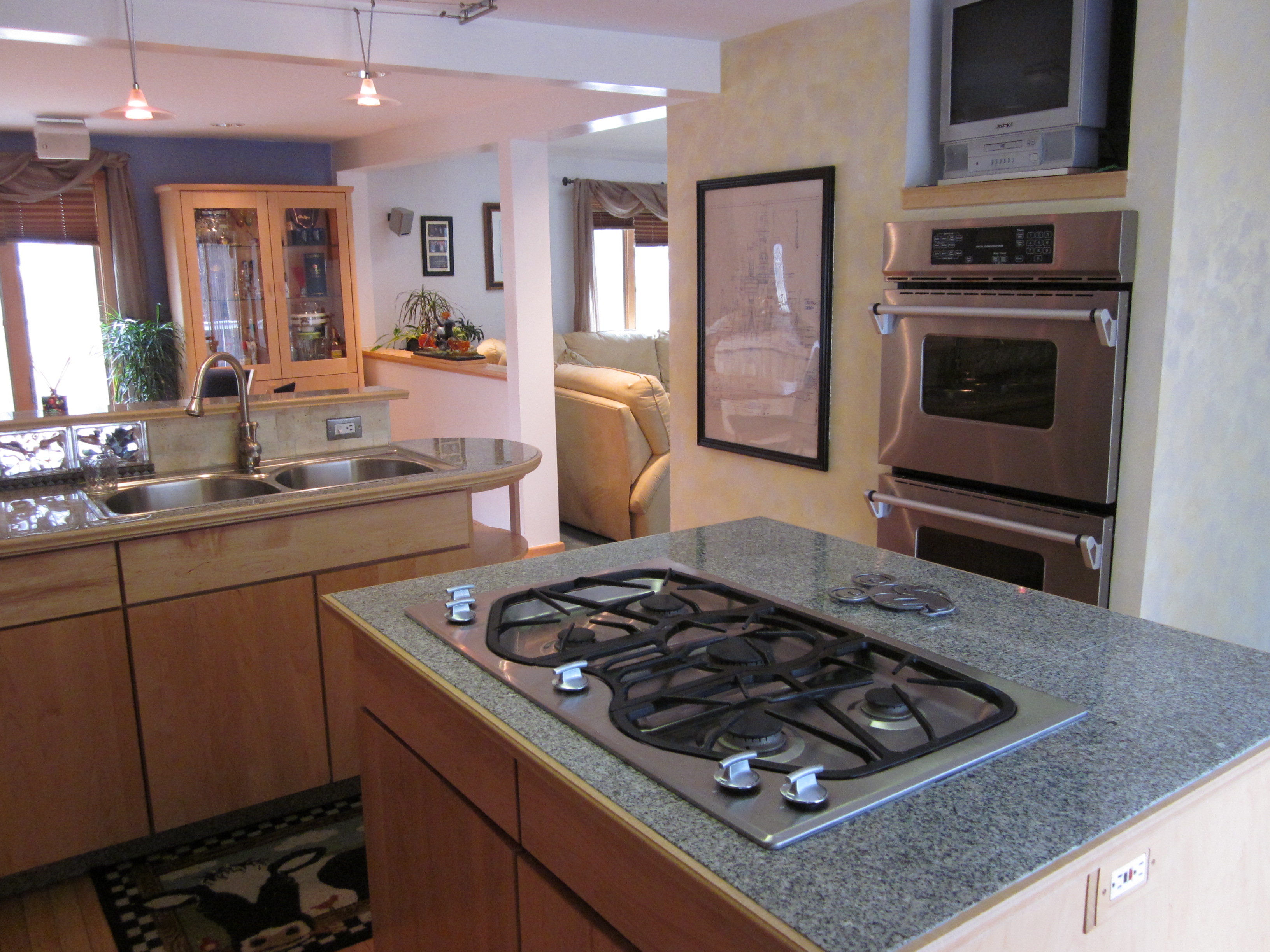 Kitchen: The kitchen features granite counters with solid maple cabinets. No IKEA stuff in here! A Jenn-air range in the center island compliments the double wall convection ovens. All stainless steel appliances and the breakfast bar is tastefully set apart with a small row of glass blocks. The glass blocks are sized so that you can put in beta fish tanks!
 Layout: The open concept living space of the family room, eat in kitchen and formal dining room with french pocket doors looks up to an open loft above with skylights. The loft has both an open area and a closed area that can be used as an additional bedroom or office with some privacy.
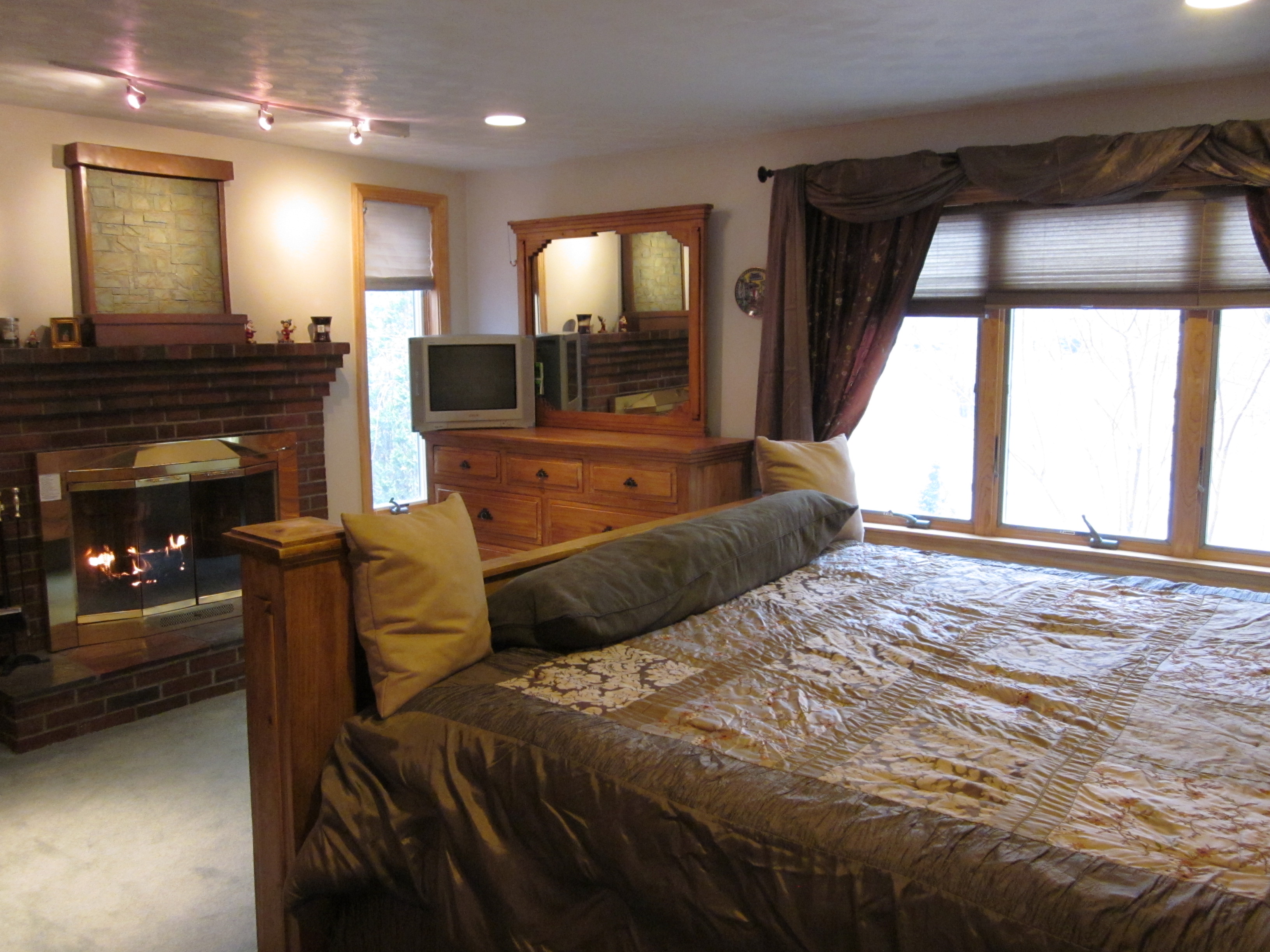 Master Bedrooms: That’s right – it’s supposed to be plural. This house has not one but two Master Bedrooms with their own baths. One of them even has a fireplace! The Master baths are spacious, tiled and feature a multi-jet shower and jacuzzi tub.
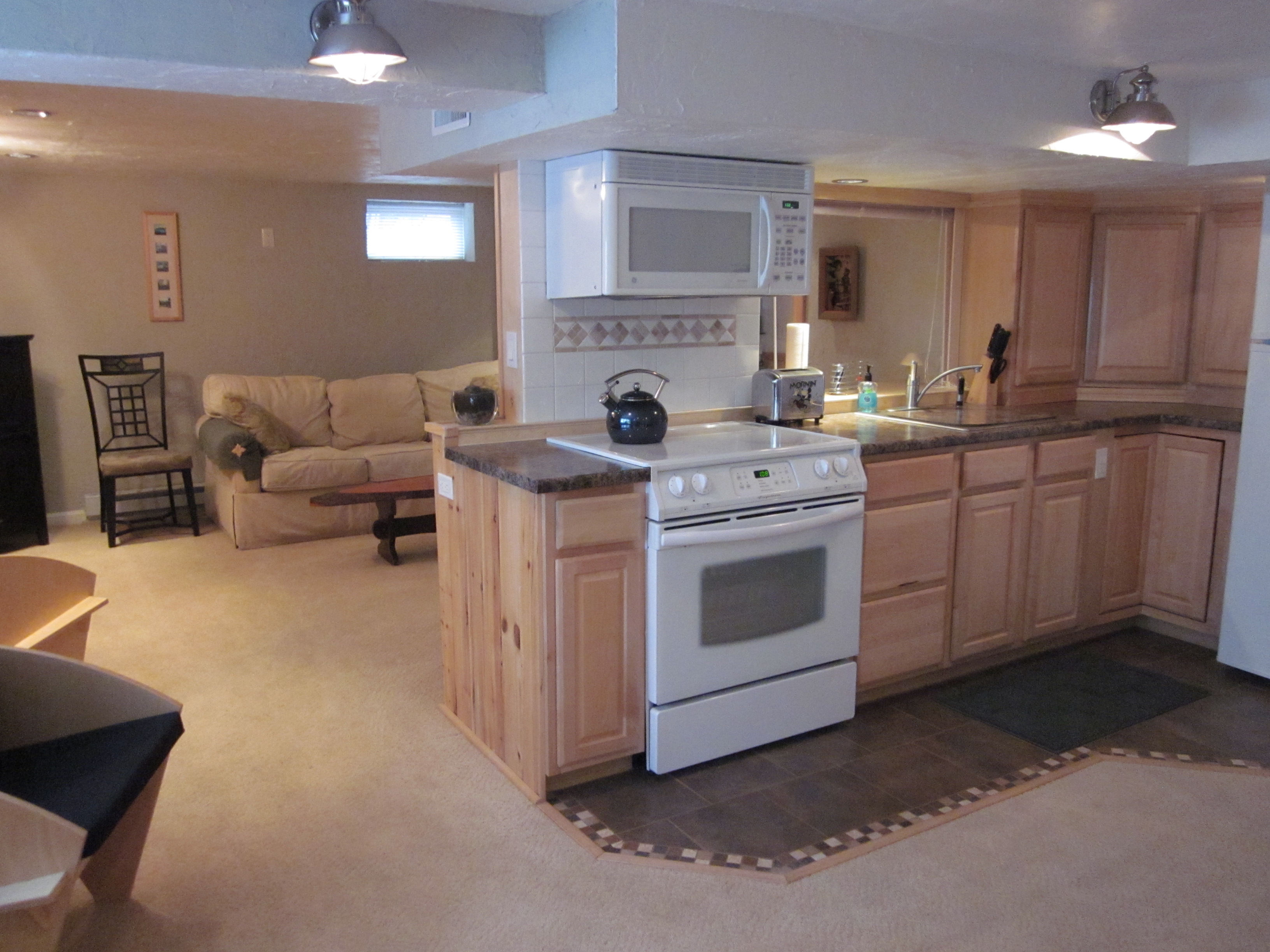 Lower Level In-Law: The walk out has been transformed into a full in-law suite with fireplace, full kitchen and full bath. But don’t stop there – there is also a media room! Don’t need an in-law? How about a home office with its own entrance? Great space for entertaining, housing kids home from college, moving in the parents, doing the carpet commute – you decided! It’s THERE ! And all finished with high-grade materials and a beautiful glass door walk out that lets tons of natural light in.
SO…with all of that and hardwoods, easy commuter location, Anderson windows, 2.9 acres backing up to conversation land and the reservoir – what’s not to love about this house! If you were to buy a basic house and put in these upgrades it would be twice this price! Stop in on Sunday and take a look because I have so much to say about this house it’s too much to type!
 A short sale might be worth more than avoiding a foreclosure on your credit report. For some, it means cold hard cash.
If your lender offered you as much as five figures to move out of your home because you couldn’t make your mortgage payment, would you do it or wait for the lender to foreclose?
The answer would seem to be a resounding “hell, yes.” But many people sit tight.
When Bank of America offered short-sale incentives of $5,000 to $20,000 to 20,000 Florida home owners late last year, only 3,000 home owners expressed an interest in participating.
One reason? Folks can often live rent-free while the foreclosure process winds its way through the red tape.
But, a cash “bonus” paired with a short sale that lets you avoid a foreclosure on your credit history can be a sweet deal.
An incentive payment might be as little as $3,000 via the federal government’s Home Affordable Foreclosure Alternatives program. But private lender programs offer 10 times that much, depending on where you live, which short sale program you use, and which company holds your mortgage, says BusinessWeek.
“Banks are nudging potential sellers by pre-approving deals, streamlining the closing process, forgoing their right to pursue unpaid debt, and in some cases providing large cash incentives,” Moody’s Senior Credit Officer Bill Fricke told the magazine.
Of course, incentives have their catches. You have to:
1. Help the bank sell your home. In a short sale, you find someone willing to buy your home for less than what you owe on the mortgage and your lender agrees to take the sale price.
2. Move on without a fight.
3. Probably live in a state where it takes years, rather than months, for the bank to foreclose. In those areas, it’s cheaper for the bank to pay you to do a short sale than to pay the cost of a multi-year-long foreclosure.
If you bank makes an offer and you bite, these four steps will ensure the smoothest possible process:
1. Make sure the lender can’t come after you later to collect any shortfall between what you owe on the mortgage and what you’re selling your home for. Some, but not all, states prohibit that.
2. Talk to an attorney and a tax adviser so you know what will happen financially after the short sale. If you sell now through the end of 2012, the tax rules for short sales say you won’t owe any income tax on $1 million (singles) to $2 million in forgiven mortgage debt (married couples). Those tax rules, part of the Mortgage Forgiveness Debt Relief Act, expire at the end of this year and only apply to your primary residence.
3. Hire a REALTOR® experienced in short sales to handle the transaction. Look for an agent who’s earned the CDPE (Certified Distressed Property Expert) designation.
4. Figure out where you’re going to move and sign a lease now because your credit score will likely drop if you stop paying your mortgage and short sell your home. A low credit score can make it difficult to get a rental home.
By the way, you can ask your bank if it’s willing to work with you on a short sale, but asking for an incentive too? That’s not how it works. Banks choose you for an incentive program, and how they decide isn’t clear, though they’re less likely to offer cash in states where it only takes a couple of months to foreclose.
So would you take the cash and short sale, or hold out?
 YES! You can STEAL this house at its list price! This home in West Boylston was completely remodeled in 2006 from a small two-story bungalow to an amazing 3900 square feet of gorgeous living space. I don’t want to give away all the great details yet but I am very much looking forward to showing the two master bedrooms with private master baths, fireplaces and custom kitchen featuring granite counters, hardwood floors, Jenn-Air cook top range and double wall ovens.
I am overdoing the sneak peak…I’ll save the details of the in-law on the lower level with private stone patio entrance for when the listing goes live!
 Real Estate and *stuff *