Real Estate and *stuff *
A real person helping real people with real estate
You can scroll the shelf using ← and → keys
You can scroll the shelf using ← and → keys
I have so been neglecting my blog. It’s true. It’s shameful. In my defense it’s because I have been so focused on my clients. I am correcting that today and giving it the attention it needs!
Tis the season for home remodeling! I have been working with a new buyer client who is looking at homes in Worcester that will need some repair – as well as working with a seller whose home will need to be repaired when the buyer has the keys in hand. My parents are remodeling their kitchen and I am still picking away at the rehab on my own house.
It seems as if remodeling is happening everywhere! And IT IS! (Stay tuned for details on a home renovation event in May….ssshhhhhh…press release coming but it’s going to be HUGE!). I did stumble upon (I love that site) this quick guide to estimating the cost of home repairs / remodeling that Freddie Mac has published and I love it! It’s quick – easy to read and realistic.
Check it out and bookmark this page – it’s a great way to thumbnail the costs of new projects or to see what you would be getting into with a new home.
 |
 |
 |
||
| Kitchens | Roofing | Floors |
 It’s spring! Not only do we get outside to freshen up the gardens and lawns but we also take on larger home improvement projects. We can have the windows open, walls open and roofs re-done. Be careful! There are many “contractors” out there and some of them are not our friends. Follow these seven tips to make sure your contractor agreement works in your favor—not your builder’s.
Contractors use their own forms, which are drafted for their benefit, not yours. You’ll benefit from hiring an attorney to review your contractor agreement or draft one that’s you-friendly. Even though this may cost around $250 to $500, it can save thousands of dollars later if there’s a dispute.
Add a “choice of law” or “forum selection” provision, which says that disputes will be litigated on your turf. This provides protection against out-of-town contractors or suppliers—you don’t want to have to drag yourself across multiple state lines for a lawsuit.
Define when the contactor will deliver on his promises, and when he’ll get his money. Within the contractor agreement, create a payment schedule in your favor by holding money back until the work is fully completed and you’ve verified the final payments to subcontractors. Maintain control by holding the purse strings.
The most common problem you’ll encounter is a general contractor who gets paid, but doesn’t pay his subcontractors and suppliers—possibly leaving you on the hook, according to Craig Robelen, a home builder in Boca Raton, Fla.
Robelen advises protecting yourself upfront by requesting the names of all professionals your builder will work with. Verify that your contractor has paid his subcontractors by requesting conditional partial lien releases during the construction term, and a final lien release at completion. (Have the general contractor collect them and present them to you.) These are essentially formal acknowledgments from subcontractors that they are being paid for work done.
Also, see if your contractor has a “payment bond” that guarantees subcontractors will be paid.
Your contract should state that any changes that will affect the price of construction should be in writing and countersigned by both you and your contractor. This protects you from unauthorized charges.
Protect yourself from kickbacks—where contractors gets bonuses from their subs for referring business—by requesting that builders sign affidavits that they’re not getting any “fees” from subcontractors as a prerequisite for doing business with them. Keep costs well-defined by asking for a “bid summary,” which should show a minimum of three quotes in every cost category of your budget.
If you’d like to avoid going to court in case of a dispute, add a clause in the contractor agreement for binding arbitration. If there’s a problem, you and your contractor will plead your case in front of a non-biased arbitrator, whose decision will be final.
If your contractor balks on any contract point you feel strongly about, do some more research. Maybe what you’re asking isn’t typical for that kind of job. Talk with neighbors who have had similar work done and sound out other contractors regarding their policies on the disputed issue before you sign anything. This helps you determine what’s customary for your particular area.
 I know I said I was going to focus on appliance maintenance but this is so much more fun! Here is a list of downloadable iPhone and Android apps offer ways to maintain, improve, and save money on your home.
If you see a color at a friend’s house that would look great in your home, use Benjamin Moore’s Ben Color Capture or Sherwin-Williams’ ColorSnap, free mobile apps for iPhone, to conjure up a matching paint color and code in a jiffy. Take a photo with your phone, and the app matches the paint as closely as possible, and will display secondary and complementary colors. (ColorSnap is also available for BlackBerry.)
Good Housekeeping magazine has placed all their best stain-removal and cleaning advice into their free @Home app. It also includes decorating ideas and a searchable list of the 5,000-plus products that have earned a Good Housekeeping seal.
If you’re searching for a cheap replacement part, or looking for a deal on slightly-used appliances and materials, eBay’s free Mobile app lets you search the auction site’s entire marketplace from iPhone, Android, Windows Phone 7, and BlackBerry devices. You can also put any of your disused-but-functional household items up for sale and recoup some cash.
For listings close to home, search the popular Craigslist site through the free Craigsnotifica for Android or Craigspro for iPhone.
Finding lower prices on electronics and appliances used to mean driving from store to store or scanning Sunday circulars. With the free Price Check by Amazon, you can scan a product’s barcode at a store and compare the price against Amazon and other merchants. (Android and BlackBerry versions are also available.) PriceGrabber has a similar app for iPhone and Android.
For $1.99, the iHandy Carpenter app puts a ruler, protractor, bubble level, surface level, and plumb bob into your iPhone, allowing you to make measurements without lugging out the tool box. It’s perfect for simple jobs like hanging frames and mirrors.
Need just a level? There’s a free app for iPhone from iHandy and for Android from Johnson.
Before you approach a home improvement project, use the $1.99 Handy Man DIY to record dimensions of flooring, windows, walls, and more. It calculates how much material you’ll need and gives you a cost estimate.
If you’re in the middle of a home improvement job and need supplies, use the $4.99 Work Shop app to order them from your iPhone. It’s also a great tool for keep track of expenses or plan your budget for a future project.
With the iPhone’s bright display and the super-bright LED flash, you can use it in place of a traditional flashlight to illuminate crawl spaces, attics, cabinet recesses, and other dark spots. There are many apps for this purpose, but two favorites are the 99-cent Flashlight (and 99-cent Flashlight+.
Wonder why certain vegetation isn’t growing in your yard? Landscaper’s Companion provides a reference guide to more than 2,000 plants. You can search for a plant based on your garden’s sun exposure and garden zone, helping to ensure you won’t get any dead leaves after planting. The app costs $9.99.
Using your iPhone’s magnetometer, StudFinderPRO can help you locate studs by locating the magnetic fields emitted by metal objects like screws and nails. The app costs $2.99. A free Magnetic Stud Finder is available for Android devices.
Need decorating ideas for inspiration? Check out Home Interior Layout Designer–Mark On Call for $2.99. Created by an interior designer, the app can help you plan a space and determine if furnishings will fit. Also consider the $4.99 Living Room app for iPad and the 99-cent Dream Home app for iPhone.
WOW! It’s a busy week this week! Please join me at any one of the following events:
TUESDAY: RE/MAX Professional Associates and Lowe’s : This is a weekly event at the Lowe’s in Ware where we combine their know-how to keep your house in tip-top shape and our know-how to tell you how it affects your sale price (now or in the future) as well as the local market conditions. Every Tuesday evening in Lowe’s there is an in-store demo on a different topic at 6pm and Mark Seymour, the store manager, extends special discounts for the people that stop in. THIS WEEK – DRYWALL REPAIR! With so many leaking roofs and ice dams we thought it would be great to do an in-store clinic on Drywall Repair! Please join myself and Pierre (http://www.meetup.com/Lowes-Home-Improvement-In-Store-Demos/)
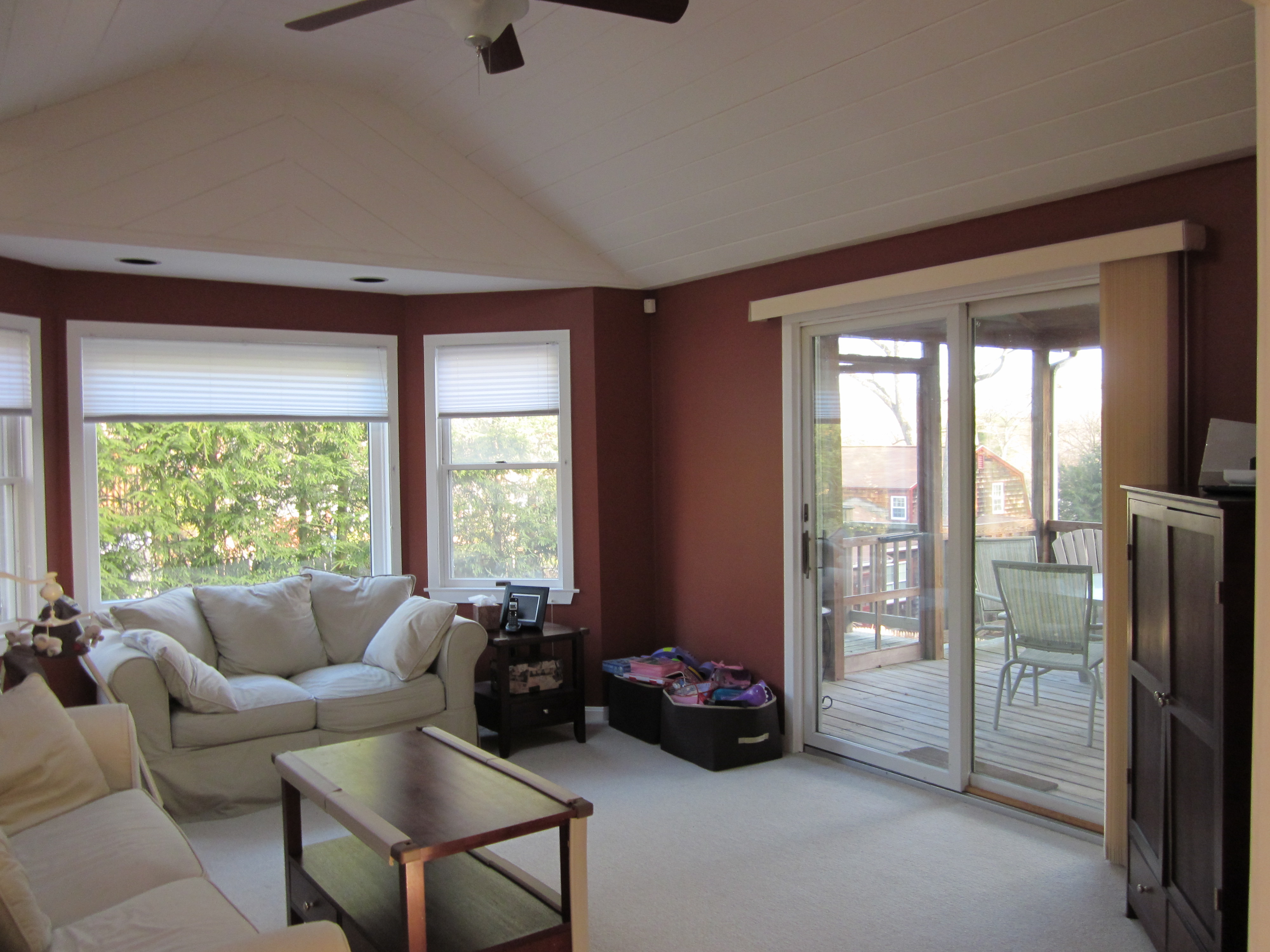 WEDNESDAY: Broker’s Open at 1 Fairbanks in Milford: Check out this very solid house in Milford – 4 beds, 2 baths and SPACE! In a quiet family area but yet close to EMC and 495 this house shows pride of ownership and is a solid value. The added family room creates a nice flow to the floor plan and adds a great space to relax and look out the sliders to the deck (spring is coming – really!). Stop in between 12pm and 2pm to check it out or on Saturday at the Public Open 1pm to 3:30pm. For more information, click HERE
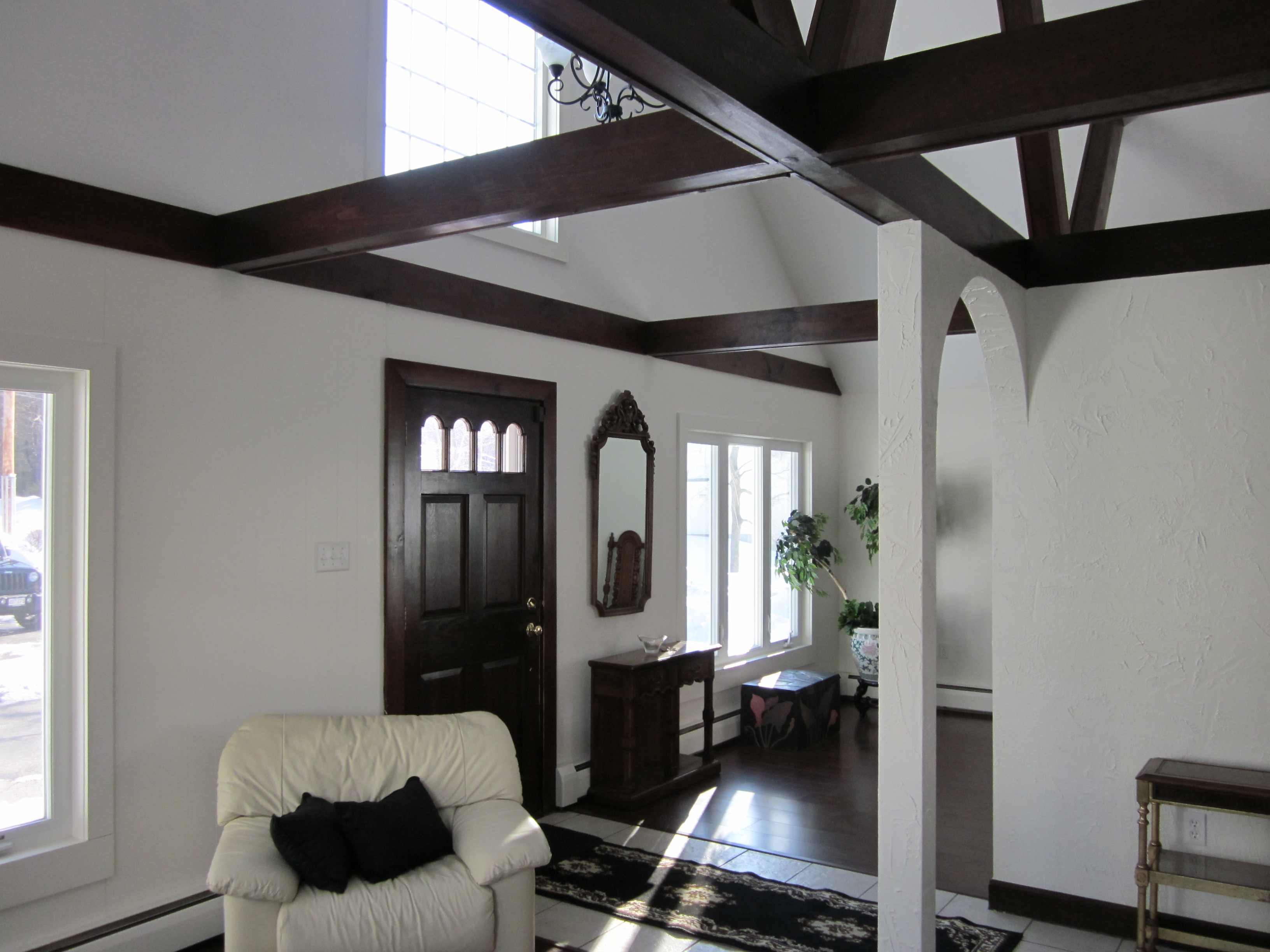 THURSDAY: Broker’s Open TOUR in Shrewsbury: FOUR fantastic homes will be open 12pm to 2pm this Thursday for you to review! My listing at 272 Oak Street is a unique and stylish renovated home that is a must-see to appreciate. 4 bed, 2 bath on a great lot that is commuter friendly with a legal in-law. Seller financing available.
From the old to the new and renovated in-between! Light refreshments at locations.
Public open at 272 Oak Street in Shrewsbury following on Saturday 11:30 to 1pm! For more information on this house, click HERE.
Take a few moments and join me at any one of these events – I’d love to chat with you!
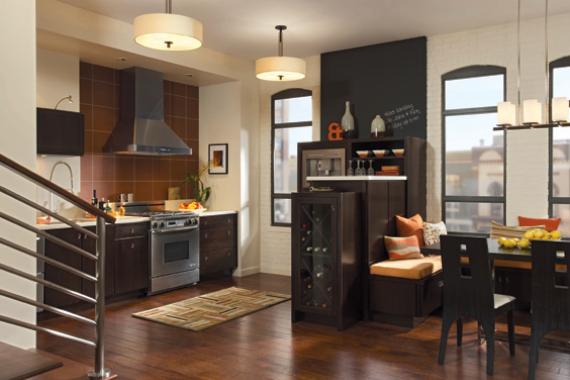 It’s not a secret that a kitchen can make or break a house sale. It’s the room we spend the most time in and it’s the room that most buyers give the highest priority. Even if you are not considering selling your house – we still all focus on the kitchen.
I thought this would be a great blog to go with our in-store demo at Lowe’s this evening. We will talking with the experts in kitchen cabinetry at Lowe’s in Ware (http://www.meetup.com/Lowes-Home-Improvement-In-Store-Demos/events/16642827/) as part of our weekly series. Stop in the find out more about your kitchen cabinet choices, costs and where to begin when planning your kitchen remodel.
This article keeps it simple – Keep the same footprint, add storage, and design adequate lighting so you preserve value and keep costs on track.
Simple enough? Not so fast. The National Kitchen and Bath Association (NKBA) recommends spending at least six months planning before beginning the work. That way, you can thoroughly evaluate your priorities and won’t be tempted to change your mind during construction. Contractors often have clauses in their contracts that specify additional costs for amendments to original plans. Planning points to consider include:
Because planning a kitchen is complex, consider hiring a professional designer. A pro can help make style decisions and foresee potential problems, so you can avoid costly mistakes. In addition, a pro makes sure contractors and installers are sequenced properly so that workflow is cost-effective. Expect fees around $50 to $150 per hour, or 5% to 15% of the total cost of the project.
No matter the size and scope of your planned kitchen, you can save major expense by not rearranging walls, and by locating any new plumbing fixtures near existing plumbing pipes. Not only will you save on demolition and reconstruction, you’ll greatly reduce the amount of dust and debris your project generates.
A six-burner commercial-grade range and luxury-brand refrigerator might make eye-catching centerpieces, but be sure they fit your lifestyle, says Molly Erin McCabe, owner of A Kitchen That Works design firm in Bainbridge Island, Wash. “It’s probably the part of a kitchen project where people tend to overspend the most.”
The high price is only worth the investment if you’re an exceptional cook. Otherwise, save thousands with trusted brands that receive high marks at consumer review websites, like www.ePinions.com and www.amazon.com, and resources such as Consumer Reports.
Some guidelines:
“People are putting more emphasis on functionality and durability in the kitchen,” says McCabe. That may mean resisting bargain prices and focusing on products that combine low-maintenance with long warranty periods. “Solid-surface countertops [Corian, Silestone] are a perfect example,” adds McCabe. “They may cost a little more, but they’re going to look as good in 10 years as they did the day they were installed.”
If you’re not planning to stay in your house that long, products with substantial warranties can become a selling point. “Individual upgrades don’t necessarily give you a 100% return,” says Frank Gregoire, a real estate appraiser in St. Petersburg, Fla. “But they can give you an edge when it comes time to market your home for sale” if other for-sale homes have similar features.
To add storage without bumping out walls:
Having a good rapport with your project manager or construction team is essential for staying on budget. “Poor communication is a leading cause of kitchen projects going sour,” says McCabe. To keep the sweetness in your project:
Consumers spend more money on kitchen remodeling than any other home improvement project, according to the Home Improvement Research Institute, and with good reason. They’re the hub of home life, and a source of pride. With a little strategizing, you can ensure your new kitchen gives you years of satisfaction.
Please stop in at Lowe’s at 6pm and join us for an in-person discussion. For more information: http://www.meetup.com/Lowes-Home-Improvement-In-Store-Demos/events/16642827/.
 Low-cost kitchen storage strategies bring calm to your kitchen, banishing stress-inducing clutter and leaving the space calm and orderly. Good news for budget-minded cleaning compulsive: Getting organized in the kitchen won’t drain your piggy bank! Stash more cash and control the chaos with these low-cost kitchen storage solutions, all readily available at home centers, discount stores and online.
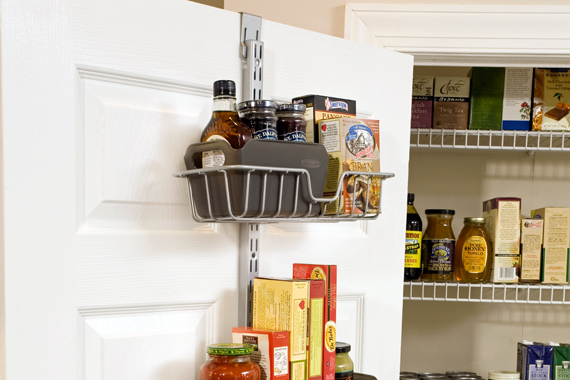 Rack attack: Store pots, everyday dishes, spices, and wine on racks that are freestanding, wall-hung, and ceiling-hung–and voila! Everything is in its own location, visible, and easily accessible!
Position the racks where they make sense: A pot rack above the cooktop; a dish rack close to the dishwasher for quick unloading; spices near the range or meal prep area; a wine rack near the wine glasses and dining table.
You’ll find racks in metal, wood, and other materials, starting as low as $10 to $15.
Shelf expression: You can size an open shelf to fit anywhere you need it and paint or stain it to match your décor. Use shelves for storing such kitchen necessities as cookbooks, attractive dishware, oils and vinegars, and spices.
Home improvement centers have storage sections where you can hunt, but don’t overlook the office supply and bathroom sections for even more low-cost shelves.
You’ll find cool shelves starting as low as $8.
 Great divide: Organize the contents of kitchen drawers and cabinets with wire or wood inserts. Drawer dividers keep utensils sorted and orderly. Vertical dividers inside cabinets create a spot for storing trays and cookie sheets. You’ll also find special inserts for storing knives and spices neatly inside drawers.
Available in wire, wood, or plastic, dividers start at about $3.
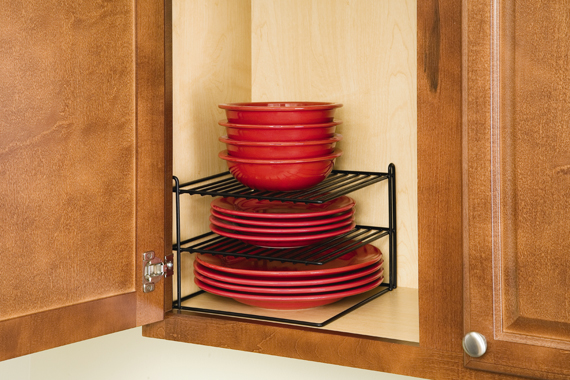 Elevated thinking: Wire stacking shelves have legs to elevate the storage surface. Set a stacking shelf on a countertop, existing shelf, or inside a cabinet to increase kitchen storage space. Use a stacking shelf for canned goods, dishware, spices, and more.
Prices start at about $6.
Hang ups: Install pegs or hooks along a backsplash, inside cabinets, or anywhere on a kitchen wall to create a place for cups, hot pads, cooking utensils, keys, and recipe clips. Hooks are available that fit over doors or come equipped with magnets that adhere to any metal surface.
Pegs and hooks start as low as $1.
Basket case: Baskets come in a variety of materials to complement your décor, from natural woven grasses to canvas to colorful plastic bins. Set baskets on open shelves, inside cupboards, and on the kitchen counter to round up small items, such as napkin rings and bamboo skewers.
Baskets are great for storing dish towels, cloth napkins, and coupons. Prices start as low as $1.
 Replace old kitchen cabinet hardware and gain an instant style update that’s simple to do and easy on the budget. It’s a quick way to really make an impact on the room and express yourself. I am all about expressing my individual style and if you take a few moments in this aisle at your local Lowes, you will be amazed at all the choices you have.
Replacing kitchen cabinet hardware is a job you can do yourself. But note there’s a wide range of sizes when it comes to the spans between screws on kitchen cabinet hardware. You’re in luck if your doors feature a knob with a single screw that secures to the door or drawer front, and you want to replace it with the same.
Otherwise, you’ll need to measure precisely the spread between screws. Use a measuring tape to measure from the center of one screw hole to the center of the other. Write the measurement down and count the number of pulls and/or knobs that you need. If you’re making your purchase at a home center, bring the handle and dimensions with you.
If you opt for handles that don’t match up with existing holes, fill holes with wood filler and camouflage the repair with fresh stain or paint. Or you can cover the fix with a backplate that fits behind the new handle.
Hinges can be difficult to switch out because there are so many different types and sizes. If your kitchen cabinet hinges match the finish on the new hardware or if the hinges are hidden anyway, you can keep the originals.
Otherwise, before removing all the hinges, remove just one and then shop around—online or at a home center—to make sure you can find one that will work for your installation.
This a really fun way to the spend the afternoon! It gives a brand new look to your kitchen and it’s easy to do. We will be talking about this in up-coming events at a Lowe’s location in Worcester County – ask me more about it!
 Regular home maintenance is key to preserving the value of your house and property. Looking forward to the spring market in 2011 – this play an important role if you thinking about listing your home. In general, it’s important to maintaining your investment and your quality of life.
“It’s the little things that tend to trip up people,” says Frank Lesh, former president of the American Society of Home Inspectors and owner of Home Sweet Home Inspection Co. in Chicago. “Some cracked caulk around the windows, or maybe a furnace filter that hasn’t been changed in awhile. It may not seem like much, but behind that caulk, water could get into your sheathing, causing mold and rot. Before you know it, you’re looking at a $5,000 repair that could have been prevented by a $4 tube of caulk and a half hour of your time.”
Outright damage to your house is just one of the consequences of neglected maintenance. Without regular upkeep, overall property values are affected.
“If a house is in worn condition and shows a lack of preventative maintenance, the property could easily lose 10% of its appraised value,” says Mack Strickland, a professional appraiser and real estate agent in Chester, Va. “That could translate into a $15,000 or $20,000 adjustment.”
In addition, a house with chipped, fading paint, sagging gutters, and worn carpeting faces an uphill battle when it comes time to sell. Not only is it at a disadvantage in comparison with other similar homes that might be for sale in the neighborhood, but a shaggy appearance is bound to turn off prospective buyers and depress the selling price.
“It’s simple marketing principles,” says Strickland. “First impressions mean a lot to price support.”
To a professional appraiser, diligent maintenance doesn’t translate into higher property valuations the way that improvements, upgrades, and appreciation all increase a home’s worth. But good maintenance does affect an appraiser’s estimate of a property’s economic age—the number of years that a house is expected to survive.
Economic age is a key factor in helping appraisers determine depreciation—the rate at which a house is losing value. A well-maintained house with a long, healthy economic age depreciates at a much slower rate than a poorly maintained house, helping to preserve value.
Although professional appraisers don’t assign a positive value to home maintenance, there are indications that maintenance is not just about preventing little problems from becoming larger. A study by researchers at the University of Connecticut and Syracuse University suggests that maintenance actually increases the value of a house by about 1% each year, meaning that getting off the couch and heading outside with a caulking gun is more than simply a chore—it actually makes money.
“It’s like going to the gym,” says Dr. John P. Harding, Professor of Finance & Real Estate at UConn’s School of Business and an author of the study. “You have to put in the effort to see the results. In that respect, people and houses are somewhat similar—the older (they are), the more work is needed.”
Harding notes that the 1% gain in valuation usually is offset by the ongoing cost of maintenance. “Simply put,” he says, “maintenance costs money, so it’s probably best to say that the net effect of regular maintenance is to slow the rate of depreciation.”
How much money is required for annual maintenance varies. Some years, routine tasks, such as cleaning gutters and changing furnace filters, are all that’s needed, and your total expenditures may be a few hundred dollars. Other years may include major replacements, such as a new roof, at a cost of $10,000 or more.
Over time, annual maintenance costs average more than $3,300, according to data from the U.S. Census. Various lending institutions, such as Directors Credit Union and LendingTree.com, agree, placing maintenance costs at 1% to 3% of initial house price. That means owners of a $200,000 house should plan to budget $2,000 to $6,000 per year for ongoing upkeep and replacements.
Knowing these average costs can help homeowners be prepared, says Melanie McLane, a professional appraiser and real estate agent in Williamsport, Pa. “It’s called reserve for replacements,” says McLane. “Commercial real estate investors use it to make sure they have enough cash on hand for replacing systems and materials.”
McLane suggests a similar strategy for homeowners, setting aside a cash reserve that’s used strictly for home repair and maintenance. That way, routine upkeep is a snap and any significant replacements won’t blindside the family budget. McLane’s other strategies include:
Play offense, not defense. Proactive maintenance is key to preventing small problems from becoming big issues. Take the initiative with regular inspections. Create and faithfully follow a maintenance schedule. If you’re unsure of what needs to be done, a $200 to $300 visit from a professional inspector can be invaluable in pointing out quick fixes and potential problems.
Plan a room-per-year redo. “Pick a different room every year and go through it, fixing and improving as you go,” says McLane. “That helps keep maintenance fun and interesting.”
Keep track. “Having a notebook of all your maintenance and upgrades, along with receipts, is a powerful tool when it comes to sell your home,” advises McLane. “It gets rid of any doubts for the buyer, and it says you are a meticulous, caring homeowner.” A maintenance record also proves repairs and replacements for systems, such as wiring and plumbing, which might not be readily apparent.
You can also track your projects at houselogic.com. Houselogic.com is a free site sponsored by the National Association of Realtors and is easy to use and fun. Directly corresponds with your Facebook and provides step-by-step instructions for your home projects including shopping lists and diagrams.
If you want a check-in on what your home is currently worth today, just let me know. I would be happy to provide you with a free market analysis and help you get started on increasing the value of your home.
 New year, new list of remodeling projects to start around the house. At least that’s what remodelers and contractors are hoping.
So, what remodeling projects are on top of everyone’s list?
The National Association of the Remodeling Industry (NARI) conducted an exclusive poll of their top builders and developers for us and found that while most people are not starting major renovation projects due to the economy, now is the time to take care of the smaller jobs around your home.
Call it the over-arching remodeling trend for 2011: Tackling small projects while you wait to do the really big remodeling project that’s on your list.
1. Save Money: Remodel Your Bathroom. Old tile getting a little grungy? It looks like 2011 is the year for a bathroom update. Dennis D. Gehman, president of Gehman Custom Remodeling says, “Bathrooms are the hottest project, we think it’s due to the economy. Baths cost less than a kitchen or addition and most houses have more than one bath, so there are more available to be remodeled.”
2. Must-Do Remodeling Projects. Rather than going through major renovations, next year people will continue to only complete the projects that need to be done, like repairs to siding or roof leaks. Mitch Speck of Specktacular Home Remodeling says he is seeing a trend of people doing “‘have-to’ projects instead of ‘want-to’ projects.”
3. Warming Up The House. Warmer tiles and colors are coming back. People tend to be moving away from minimalist, white designs in favor of cozier, earth tones. The trend, however, is not rustic. Instead, it’ss a mash-up of earthiness and modern design. Judy Mozen, president of Handcrafted Homes, Inc., says she is seeing people favor rooms that are more contemporary and calming, but are “still not totally contemporary.”
4. Getting Decked Out. George Christiansen of Pequot Remodeling Corporation says his clients are building outdoor spaces for themselves. “It appears that people want to sit outside again and are staying at home more frequently. Many pools are also being built in the neighborhood.”
5. Hiring A Great Contractor. Darius Baker of D & J Kitchens and Baths, Inc. says that “consumer diligence” is on the rise. “Folks are finally getting the message that it is important to look closer at the companies they are considering for their project. They are asking the questions we have been telling them to ask for years.”
6. Paying in Cash. Rather than taking out loans for renovation projects, homeowners are using cash for projects. Steve Klitsch of Creative Concepts Remodeling, Inc. says homeowners are giving themselves a budget and picking and choosing what projects they can do with the money. One way to save money is by updating features, like cabinets, but not remodel an entire room.
7. Opening Up Rooms: “Open floor plans are in, so we’re removing interior walls and opening up the spaces in older houses to modernize them,” says Gehman. Open floor plans help families be more flexible with the square footage they already have.
8. Bronze Age. Along the with warmer tones in homes are warmer tones in metallic features. Kathy Adams of J&C Adams Co., Inc. says “oil rubbed bronze, aged bronze, or distressed hardware” will be big in the coming year.
9. Going Green. Bamboo floors, grass thatched roofs, and bark siding may sound like something from “Jungle Book,” but they are just a few of the newest green home products. In addition, people are getting energy efficiency upgrades. Adams says upgrades on glass will be continue to be big, and adds that “people are even asking for tri-pane (windows)!”
10. Industrial Flair. Exposed beams will continue to be popular, but so will “stainless steel cable and architectural products,” says Michell Milestone, director of sales and marketing at JG Development, Inc. With so many people working from home, home will take on more of an industrial or commercial look to enforce business credability.
11. Creating Relaxation Space: With home values still falling in many areas and a new prediction of three more lousy years of real estate, homeowners are more stressed than ever. So it’s no surprise that when they are developing new spaces, tranquility comes to mind. Mozen says people are asking for “zen-like” bathrooms. “The bathrooms don’t have to be big-but they have to be relaxing and soothing. They seem to prefer showers with the works-steam, seats, body sprays, etc.”
12. Planning ahead: “We are seeing many clients thinking about their retirement years,” says Jillian Renner of Golden Rule Remodeling & Architecture, Inc. Her clients-even those far from retirement-are putting in easy-opening cabinetry, hand-held showers, and more accessible kitchens and baths. Renner adds, “Even though the clients don’t need those things right now, they are planning for when they might find them needed.”
Are you planning a remodeling project this year? How much are you planning to spend?
In the home — as in life — it’s often the little things that matter. And it’s amazing how many small structural things can go wrong around your house.
Whether it’s the front-door lock that won’t let you into your own home or the cracked window that won’t keep the cold out, small household problems can have a big effect. For most of these, there’s no need to call for repairs; the solution lies in tapping your ingenuity and using a few common household materials in innovative ways.
Even when it seems that the roof is falling in or the floor is opening up beneath you, there are often simple ways to solve larger problems on your own. Here are some quick fixes for your floor troubles.
That wood table was heavier than you thought, and dragging it across the room has left a nice long abrasion in your pretty wood floor.
The quick fix
The fix depends on the type of floor, says Rusty Swindoll, assistant technical director with the National Wood Flooring Association.
“If the floor is finished with wax, fine surface scratches can be concealed with a liberal amount of wood-floor paste wax, rubbed in with the grain using a fine-grain steel-wool pad,” he says. “Remove the excess wax and buff the surface lightly with a cloth.”
But, he says, “If the floor is finished with a surface finish (either water- or oil-based), use the meat from a pecan or walnut that has been crushed, rubbing it over the surface scratches to camouflage the scratch.”

The last thing you need in a busy kitchen is another tripping hazard, which is exactly what that blister in your resilient flooring has become.
The quick fix
Puncture the blister with a sharp object, such as a small nail, and use a glue syringe to shoot flooring adhesive under the surface of the blister. Cover the blister with several heavy bricks or other weights and leave for 24 hours or until the epoxy is fully cured.
You just learned the hard way that dragging a heavy metal garbage pail can ruin a vinyl kitchen tile.
The quick fix
Ideally, you thought ahead when the floor was installed and put aside a few extra tiles. If not, you can scavenge a replacement tile from underneath the refrigerator or stove. This will be harder if the tiles are light-colored because the floor will be more faded than the replacement tile.
Remove the old tile by heating it with an iron set on low until you can pry it up with a putty knife. Remove the warm adhesive, apply new adhesive, and lay down the replacement tile. Weight it down with bricks or other heavy objects until the adhesive cures.

Every home seems to have that one area of wood floor that squeaks, and yours is driving you to distraction.
The quick fix
Squeaks almost always occur in the subfloor, not the wood floor itself, says Ed Korczak, executive director of the National Wood Flooring Association.
“The best solution is to secure the subfloor from below by driving screws into the subfloor of the area that is squeaking,” he says. “Be sure the screws are short enough so that they don’t break the surface of the face of the wood floor.”
Your resilient flooring isn’t resilient to small scratches and scuffs.
The quick fix
Rub the scratch with the edge of a quarter. If the blemish is still apparent, rub a tiny amount of paste wax on the surface and buff it with a clean soft cloth.

So now you know: Dropping a cast-iron pan really will crack a ceramic tile.
The quick fix
Remove the grout around the tile carefully using a grout saw — this is not a mechanical saw but a simple abrasive tool that you run along grout lines. Then chip out the tile with a small cold chisel.
Once you’ve removed all the tile pieces, try to remove as much of the adhesive as possible. Lay down a bed of new adhesive and press the new tile in place. Grout around the tile and let it sit for 24 hours before walking on it.

Uncle Bill finally went home, taking his stinking stogie with him, but he left behind a nice burn mark in your carpet.
The quick fix
First, discreetly clip away damaged fibers with a sharp pair of scissors; then, lightly scrub with a scouring pad to remove the darkened tips of the carpet fibers. Vacuum to remove the singed particles.
For deeper or more serious burns, you’ll need to patch the carpet. Unless you have a remnant from when the carpet was installed, this will mean finding an area of carpet that is rarely seen, such as in a closet or underneath a piece of furniture, and removing a patch.
Use a utility knife and jar lid to cut a neat circle around the burn mark, and cut an identical circle out of the donor carpet section. Use double-edged tape or carpet adhesive to set the patch firmly in place.
I found most of this content in an article in Popular Mechanics online and then adapted it for blog form. I really enjoyed the article and wanted to share it because floors take such a beating in our homes and if they don’t look good then the whole rooms suffers.
 Real Estate and *stuff *