Real Estate and *stuff *
A real person helping real people with real estate
You can scroll the shelf using ← and → keys
You can scroll the shelf using ← and → keys
What you should know before you replace your windows…this is a GREAT article! Mostly because of the ending comment…”You can buy the best window in the world, but if it isn’t put in correctly, you’re throwing away your money”
By Pat Mertz Esswein of Kiplinger’s
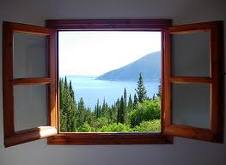 If your windows no longer enhance the façade of your home, shield it from the elements or filter noise, there is no better time to update them. Retailers whose business withered as homeowners stopped spending on big home-improvement projects are ready to deal and eager to keep their installation crews working.
Many dealers have cut markups to the quick, says Susan Selman, who is with Schmidt Windows in suburban Chicago. Plus, the $1,500 tax credit for installing energy-efficient windows in your home, which will help defray some costs, expires at year-end. (Bing: Learn more about the energy-efficiency tax credit)
Just remember that replacing windows is an expensive proposition that includes not only the price of the windows but also the cost of expert installation to ensure that the windows perform as promised.
Replace or repair?
There are two types of replacements. If the original framing is sound and reasonably square, you can install a replacement window into the original opening and replace the sashes, side jambs and trim. If the original frame is rotted or misshapen, you must install a new window, which can cost 50% to 100% more than a replacement window, according to CostHelper.com. Replacing multiple windows will cost you less per window than installing just one or two.
Read: How to pick the perfect window
Tom Patterson, owner of The Window Man stores in Virginia, says that the top question he asks customers is, “How old is your home?” Until the early 1970s, windows were generally well-made with old-growth wood, whose tight grain resists moisture and decay. Newer homes, he says, may have poorly constructed, builder-grade windows that are already failing because their wood frames are susceptible to moisture.
“I’ve put my finger right through the sills of 10-year-old windows,” a sure sign of rot, Patterson says. You can test your sills yourself by trying to poke a screwdriver into them. Or ask a window installer, home inspector or contractor to inspect them.
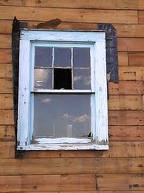 If you have old windows you love and the frames are sound, you could repair them, strip off the old paint and repaint or stain them, and add new storm windows with low-emittance (low-E) coatings, which reduce the sun’s heating and fading effects.
Patterson says low-E storm windows run $200 to $500, depending on size and options, such as higher-performance laminated glass; these windows may be eligible for the tax credit if they meet certain requirements. Patterson charges $40 to $200 per window to install them.
Read: 5 questions to ask your window installer
Calculate your savings
You’ll recoup much of your investment in replacing or repairing windows when you sell your home, but not as much as you would have at the peak of the real-estate market in 2006, according to the Remodeling magazine’s 2009-2010 “Cost vs. Value Report.” The payback on upscale wood windows has dropped the most, from 83% in 2006 to 72% in the 2009 survey.
Be sure to match the style and quality of the new windows to your house — high-end in a luxury home, midrange in an average home, says John Bredemeyer, an appraiser in Omaha, Neb. The value of high-end windows in a tract house won’t necessarily be reflected in the home’s appraised market value. Prospective buyers may love those gorgeous, high-performance windows, but they may not want to pay more for the house to get them.
Your monthly energy bill should show immediate savings. Before you install new windows, however, you may want to seal a leaky house and insulate it. It could cost several thousand dollars, but it may be more cost-effective. To evaluate your options, a home-energy audit, which costs $250 to $600, is a smart idea.
Choose the right window
Before you begin to shop, learn the lingo:
 Windows ordered off-the-shelf in standard sizes cost less than custom sizes with upgrades, such as nonstandard frame colors, hardware finishes and glass types; “between the glass” blinds or shades; and premium screens. High-performance and specialized glass — triple-paned for extremely hot or cold climates or impact-resistant for wind- or hurricane-prone regions — cost more. But that added cost may be worth it. For example, triple-paned glass could save on cooling costs for a room that direct sunlight often heats.
The websites of well-known manufacturers, such as Andersen, Marvin and Pella, include guides that will lead you through the decision-making process. Another resource is the Efficient Windows Collaborative, which is committed to promoting energy efficiency and sustainable building design.
A brand name isn’t everything. Window dealers may sell a single manufacturer’s products or several companies’ products, including those of which you may never have heard. As long as the seller can provide specs showing that the product offers the quality and performance you want at a price you can afford, you shouldn’t fear the unknown.
Read: 4 steps to prevent a remodel gone wrong
Many manufacturers produce windows in various price ranges. If you can’t afford the top of the line, you might get much of what you want with a slightly lower-grade window, says Kerry McDaniel, with Galaxy Exteriors in Los Angeles. He says that big-box stores such as Home Depot and Lowe’s tend to sell the lower-grade lines to stay at the prices they want to offer. Because Lowe’s now sells some Pella windows, Patterson suggests that you ask a local Pella dealer to match the Lowe’s price, if it is lower.
Visit the showroom, if you can, to see and test models that interest you. Do the windows look as attractive in person as they do online or in the catalog? If the window tilts out, open it to see if, given its weight, cleaning it is a job for one person or two.
Read: 5 household chores you shouldn’t do anymore
Select a dealer
There will always be door-to-door window salespeople, not to mention telemarketers, lead-generating websites and the guy operating out of his pickup truck. Don’t go there.
You want a well-established company that has a storefront and a website with helpful information. A dealer who will assess your needs and your home for free is even better.
Slide show: 5 ways your home hurts the environment
Check the dealer’s rating and record of resolved complaints with the Better Business Bureau or with your county or state office of consumer protection. Ask around about the company’s reputation locally. Then obtain several bids. If one company can’t provide the same window as another, ask for the closest comparable product it sells.
Installation, including anchoring, insulating and sealing the window to the house to make it airtight and watertight, is as important as window quality. A poorly installed window may be hard to open and close, and its durability, energy efficiency and appearance will be compromised.
Read: 4 winter prep essentials you shouldn’t skip
“You can buy the best window in the world, but if it isn’t put in correctly, you’re throwing away your money,” Selman says.
 Real Estate and *stuff *